K.Flay Begins to Find Her Way
It was just days before Thanksgiving when Submerge caught up with K.Flay (neé Kristine Flaherty), but the indie hip-hop artist was gearing up for a working holiday. Born in Wilmette, Ill., the Stanford grad has recently relocated to Los Angeles for the time being. Newly released from her major label, RCA, K.Flay has been enjoying her regained independence and also her new surroundings.
“I think I’ve been here for a two-week stretch at a time, but never really longer than that,” she says of L.A., where she has studio space downtown. “It’s been really nice. I’m really forgetting how cold it would be in New York. I’m like, ‘This is amazing. No wonder why people want to live here.’”
After a couple of mixtapes, K.Flay released her first EP in 2010. Her most recent extended-player, West Ghost, her first and only under RCA, came out in April 2013. Though she’s starting to build up a strong catalog of songs, she admits that she wasn’t really sure what she was doing when she started out in music.
“I kind of stumbled into the whole thing,” she says. “I stumbled into recording a song based off of a conversation I had, and then I got randomly asked to play a show. I was open to whatever with no preconception of what it would look like or what it should look like or if I ever wanted to do it again.”
Now with some time in the studio—and more importantly hours logged onstage—she’s beginning to piece together what she most wants out of her music.
“I’m starting to figure out the aspects of what appeals to me and what doesn’t,” she goes on to say. “I think what was really interesting about music for me was that I had no preconception. I was sort of clueless in a way that made it a really pure experience.”
In the following interview, K.Flay speaks about her welcome breakup with her major label and what we might expect from her music in the future.
Are the songs you’re recording songs you’ve been working on for a while?
It’s all new stuff I’ve been working on. Just last week I left my record label, so I feel liberated and empowered to get back and refocus on the things I want to do and the kind of things I want to write.
Your first two EPs were independently released and your most recent was put out by RCA. Creatively, did you notice a difference between your independent and your label release?
I think, obviously, any time you’re involved with any type of label, there’s an infrastructure that has straightforwardly commercial goals. I’ve always been DIY and self-propelled, so it felt weird to be imbedded within this larger organization. It was a lot harder to get things done, and a lot of people had to be involved in the decision-making process. It’s nice being able to take control of that again.
I read on your blog it was almost like a relationship breakup. Was it something you saw coming or did it come as a surprise?
Oh no, I wanted it to happen. I think it was like a breakup in the sense that it was the right thing, but it was still kind of a bummer that it didn’t work out. I feel great. I feel super happy, but it just wasn’t the right thing at the time, so I’m looking forward to getting back to the things I love about doing this.
I saw you live once before… It was a while ago, and it was just you performing solo. I was blown away because it was just you on stage. But since then you’ve added more people to the live show, correct?
Yeah, it’s like the Partridge Family now… I have added people. I’ve been playing with Nick [Nicholas Suhr], my drummer, for a couple of years now. I felt like that was the first addition that really made sense. It’s evolved to where there’s kind of an indie rock sound to the music now, especially in the live show. That’s been really cool, and on the last two tours I’ve had, I’ve had a DJ [Noah Souder-Russo] come out as well. I still do some controller stuff, but it was really stressful at times controlling all the various electronic things, and it sort of created this distance between me and the audience. I was very hyper aware of what was going on. It’s freed me up to be more involved in the performance.
It’s funny to hear you say that, because I remember at the show I saw, you were tinkering with a lot of things then stepping back and delivering vocals. It seemed like a lot of work.
Yeah totally. It was stressful! I was like, “Why am I putting myself through all this?”
You mentioned the indie rock element, and there was one song on West Ghost, “The Cops,” that had more singing on it. I like the song a lot. I liked the whole EP, but that one jumped out at me because it sounded a bit different than the other songs on the EP. Is that something you’re looking to explore more in your music?
Yeah, I think “The Cops,” in a weird way, was the turning point in my own mind, because that is the kind of music on some level that I really want to make. I think going too far in the electronic sphere on the next thing I put out isn’t really my goal. On the demos I’m recording, I’m moving more toward an organic sound. I’ll still be rapping… When I started making music, I really didn’t even know what I was doing or what I wanted to do. I think the live show and the touring has helped guide me into a little bit more of the indie side of things.
With the new stuff that you’re working on, are you hoping to make a full-length record or do you think another EP is on the horizon?
Who knows what I’m going to end up thinking, but I am working toward putting out a full-length, because that’s what I want to do. I’m notorious for being very fickle and very stubborn. I’ll probably change my mind. Basically, I’d be a very bad government official.
Is another label something you’ll be seeking?
I’m kind of open to everything. The experience with RCA wasn’t an anti-label experience. It just wasn’t the right situation for a number of reasons. I think if there’s somebody who understands my vision, then I would be open to thinking about it, but I’m sort of using this time to return to that place of no preconceptions. I think, for me, that’s a good psychological space to be in.
Being in that place, are you surprised at the kind of stuff you’re writing lyrically and musically?
Yeah, I guess. Maybe this isn’t surprising, but I’m pleased at how it’s making internal sense. The songs relate to one another. They’re starting to feel like cousins in a way that’s really natural. That’s been good. It’s weird writing songs with a pile of expectations. Sometimes it can be really fun and challenging, but most of the time it can be really confusing and can muddle what you’re trying to say.
Are you trying to keep it simpler this time around?
I’m just doing demo stuff, so I’m not finishing 100 percent all of the production, but yeah. I think the mark of most of the songs I really connect with is, I guess, the clarity of the vibe and sound. I’m not over-thinking what I’m doing because I have a tendency to do that.
Do you tend to be more critical of your lyric writing or your music?
I’m critical of everything! I don’t know. I think it’s always weird listening to and looking back on the things you’ve created. I think maybe I just alternate depending on the mood I’m in. I’ve looked back in horror on some of the things I have created.
You have a few more dates with Icona Pop coming up. How do you enjoy being on the road with them?
I played a few shows on the road with them earlier in the year… They’re really awesome people, and their show is a lot more electronic and dance-y than what I’m doing, but it’s nice to have that juxtaposition. There’s that common theme of girls doing cool things. There’s been a really nice energy about that. I have a hometown show in San Francisco coming up, so the shows are going to be a lot of fun. It’s going to be nice, because I haven’t seen them in a couple of months, so it’s going to be like a reunion.
K.Flay will take a one-show break from her West Coast dates with Icona Pop to play Assembly in Sacramento on Thursday, Dec. 19, 2013. Sirah will also be performing. You can get tickets through Assemblymusichall.com. Catch K.Flay the night before at The Fillmore supporting the aforementioned pop superstars.
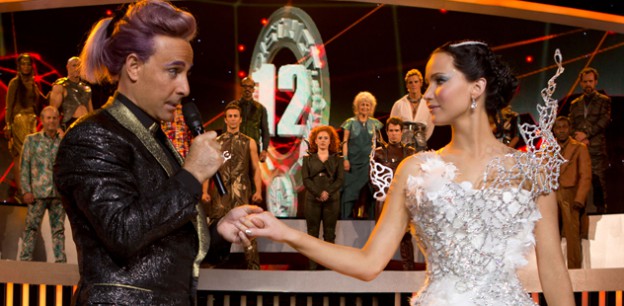
The Hunger Games: Catching Fire
Rated PG-13
“No, I am your father.”
Darth Vader intoned these grave words to a devastated Luke Skywalker, who’d just had his hand light-sabered off. It was the most pivotal scene in The Empire Strikes Back, the darkest movie of the original Star Wars trilogy—the lowest point where it seemed that all hope was lost for the Rebellion.
In that tradition, we have The Hunger Games: Catching Fire, the second installment in the wildly popular trilogy based on Suzanne Collins’ novels. Though the first Hunger Games wasn’t exactly bright and cheery (it did feature the senseless—and oft-times brutal—slaughter of young people), it did end on an up-tick. Our heroes, Peeta Mellark (played by Josh Hutcherson) and Katniss Everdeen (Jennifer Lawrence), thumbed their noses at “the man” and opted for dual suicide in lieu of killing one another. Since the powers that be needed a winner to preserve the relevance of their twisted contest and, in so doing, flex their political muscle, an impromptu rule change was enacted to declare them as co-winners of The Hunger Games.
In the first film, Katniss, Peeta and their team of mentors, stylists and publicists propagated a fiction that the two were star-crossed lovers, and it worked. The people of Panem (the country that emerged from the ashes of America) ate it up, and the two became pop-culture icons. In Catching Fire, Katniss and Peeta reap the consequences of their actions.
A rift has formed between the two “lovers.” Katniss is torn between her feelings for her childhood friend Gale (Liam Hemsworth) and her much more complicated relationship with Peeta, to whom she feels indebted. But it’s not just a simple love triangle. Outside pressures are also at work. Their act of defiance in the game arena has given hope to a burgeoning resistance against the Capitol, and seemingly omnipotent President Snow (Donald Sutherland) is seeking to use Peeta and Katniss’ Romeo and Juliet appeal to appease the people and quell any sort of uprising. If they step out of line, however, their lives and the lives of everyone they care about are in danger.

So of course, on their victory tour of the 12 Districts of Panem, Peeta and Katniss do just that. Caught up in the moment, they speak off-the-cuff. As the spotlight becomes brighter, and the crowds become more hostile, they freeze up. President Snow is not pleased. The peasants are revolting (I’d say!). With the 75th Hunger Games approaching (the Quarter Quell as it’s called), Snow schemes with new Head Gamemaker Plutarch Heavensbee (Philip Seymour Hoffman) to tarnish the reputation of, and ultimately kill off, Katniss (and to a lesser extent Peeta). Katniss and Peeta are summoned back to the arena where they must face off against other past victors in a gruesome battle for survival.
Catching Fire is a really good movie for a lot of reasons. First, it’s exciting. The stakes rise exponentially as the film builds, methodically at times, toward its climax. First the story is personal: How will Katniss reconcile her relationships with Gale and Peeta? But the mounting danger soon becomes bigger than just our principal players: thousands of people’s lives begin to depend on whether or not Katniss and Peeta can portray a convincing couple.
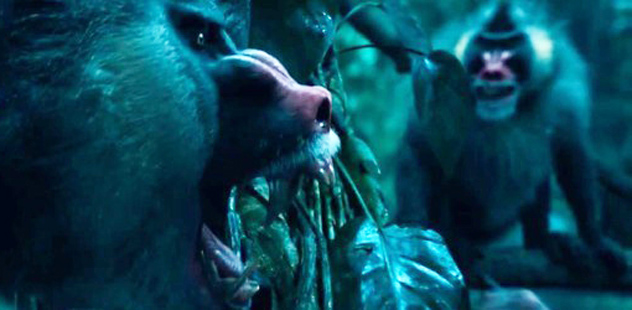
Then comes the action. The arena they’re tossed into is a dense, humid rain forest. Harsh elements, ferocious fauna and even poisonous fog—let alone the other competitors out to kill them—make survival an almost impossible task. Scenes in the arena are more suspenseful than necessarily action-packed, giving Catching Fire an almost horror movie feel. It’s a nice twist, and makes for a very thrilling experience.
It’s also well acted. Sutherland and Hoffman (and even Stanley Tucci in the comedic-yet-sinister role of talk show host Caesar Flickerman) add serious credibility to the film with their chilling and calculated performances. Elizabeth Banks also lends a tender soul to flamboyant publicist Effie Trinket. But Lawrence and Hutcherson are charged with most of the heavy lifting and both carry the film effortlessly. Lawrence especially shines as the strong-willed heroine, portraying the type of female character you wouldn’t mind your daughter looking up to.
It would be easy for The Hunger Games films to descend into schmaltzy romance, but Catching Fire never does. Much like Collins’ novels, there is a stark message behind what’s going on. Sure, this isn’t new territory. We’ve all seen the post-apocalyptic world ruled by a despotic government a hundred times. But Collins, in focusing on two well-meaning, salt-of-the-earth teens, makes the situation feel remarkably intimate (aided by first-person narrative of the books). In the films, Collins’ imagery is really fleshed out. Allusions to the Roman Empire are used liberally. The concept of the Hunger Games may be far-fetched, but it’s not like it hasn’t happened before. Gladiators battled to the death for the amusement of spectators, and now, to a lesser extent, contestants battle the elements on Survivor. Will we ever be glued to our screens to watch as Kim Kardashian strangles Big Ang from Mob Wives with a string of barbed wire? Probably not, but what if…?
Catching Fire ends on a dark note, much like The Empire Strikes Back, setting up what should be a fantastic conclusion in the two-part Mockingjay (first part due in theaters in 2014). I doubt there will be Ewoks, but I’m sure it will be just as memorable as when we said good-bye to Luke, Han and Leia.
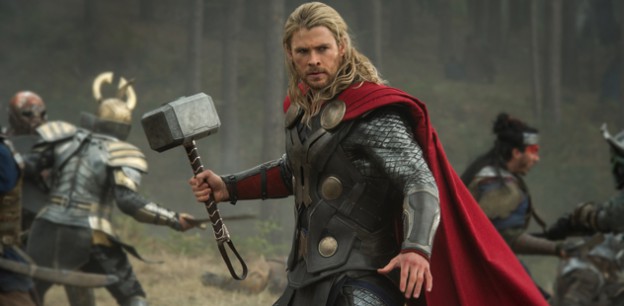
Thor: The Dark World
Rated PG-13
Perhaps the most interesting thing about this recent slate of Marvel movies, dating back to the first Iron Man movie in 2008, is that much like in the comics, a superhero universe has been created. Each film acts as a piece of the larger story arc. They feed off one another, superhero cameos abound and past events are referenced. It’s smart, of course, because it compels you to see all of them; but unlike comics where you only have to wait a few weeks for the continuation of the storyline, in films you have to wait months, maybe years. The first Thor movie (starring Chris Hemsworth as the title character) was released more than two years ago, and the mega blockbuster The Avengers, from which Thor: The Dark World also picks up, hit theaters in summer 2012 (practically ancient history in the digital age). Luckily, for those of us with bad memory, The Dark World stands well on its own godly merits.
Whereas Thor felt more like an extended trailer for the The Avengers, The Dark World feels more at home as a standalone story. It opens with the God of Thunder cleaning up the few loose ends still rippling through the Nine Realms after Loki (Tom Hiddleston), Thor’s mischievous brother, attempted to royally fuck shit up in the two earlier aforementioned films. Peace is at hand, but an older threat is looming. The Dark Elves, led by Malekith (Christopher Eccleston), are in search of the Aether, a weapon that dates back to before the creation of the universe. Malekith eyes the convergence of the Nine Realms as the perfect time to unleash the Aether and return the universe back to darkness. The problem is, he can’t find it.

Back on Earth, Jane Foster (Natalie Portman) is trying to readjust to regular life. She’s trying to date regular guys, but, you know, after you and the God of Thunder hook up, it’s kind of difficult to lower your standards for mere mortals. She’s pining for Thor, and really, who could blame her? When she discovers an anomaly in Earth’s gravitational field, she sees it as a sign that her Asgardian hunk has returned, but when she goes to investigate, she encounters the Aether, and it infects her body.
Luckily for her, Thor catches wind of this and scoops her off to Asgard, where the God of Thunder’s papa Odin (Anthony Hopkins) just wishes his son would find a nice Asgardian girl (in this case kickass warrior hottie Sif played by Jaimie Alexander), get hitched and accept his responsibilities as Odin’s heir to the throne.

Thor ain’t having it. He loves Jane and wants to help her. Things get more complicated when Malekith senses that the Aether is in Asgard, and after a vicious attack upon the realm that results in the death of a loved one, Thor must resort to treachery in order to save Jane and the whole universe. To do so, he must break his brother Loki out of prison and commit treason, but, hey, that’s all in a day’s work for a superhero.
This is a fun movie, and much more engaging than the first in the series. Hemsworth not only physically embodies the role but now seems more comfortable with it. Though it may not be a very deep character, here in his third film in the role, he seems a lot more at home as the haughty—and somewhat bratty—wisecracking god. Portman, too, has a lot more to do as Jane. Instead of being just the googly-eyed love interest, she’s more a part of the intrigue and firmly ingrained in the plot. Hiddleston is great once again as the maniacal Loki. He plays the character so straight-faced and charming, it really is difficult to discern when Loki is lying or telling the truth. The interplay between he and Hemsworth as the two enact their plan to defeat Malekith is pretty hilarious and a pretty realistic portrayal of sibling rivalry—even though both are gods and all.

There’s plenty of humor, too, though most of it comes from extraordinary characters placed in ordinary situations, such as when Thor hangs up his hammer Mjölnir on a coat rack upon entering Jane’s London flat.
Overall, it’s a fast-paced an entertaining film. Surprisingly, The Dark World is most lacking in exciting battles. There are plenty of action sequences, but most of them are sprawling battle scenes with many moving parts. While they strive to give the film larger scope, they’re not as thrilling as those in The Avengers. When we do get down to some Thor boss-fight fisticuffs, it seems over too quickly. You can’t try to upstage Thor in his own movie, bro. It’s just not cool.
John K. reflects on The Ren and Stimpy Show and chimes in on his latest cartoon
In the 1995 teen comedy Clueless, Cher (played by Alicia Silverstone) sits on a couch with her step-brother/love interest Josh (a very young Paul Rudd). Though they both have wildly different personalities, the two are sharing a quiet bonding moment at home. On the TV, Cher turns the channel to a cartoon featuring a cat and a Chihuahua. Josh asks her, astonished, what the hell they’re watching. “That’s Ren and Stimpy,” she tells him. “They’re way existential.”
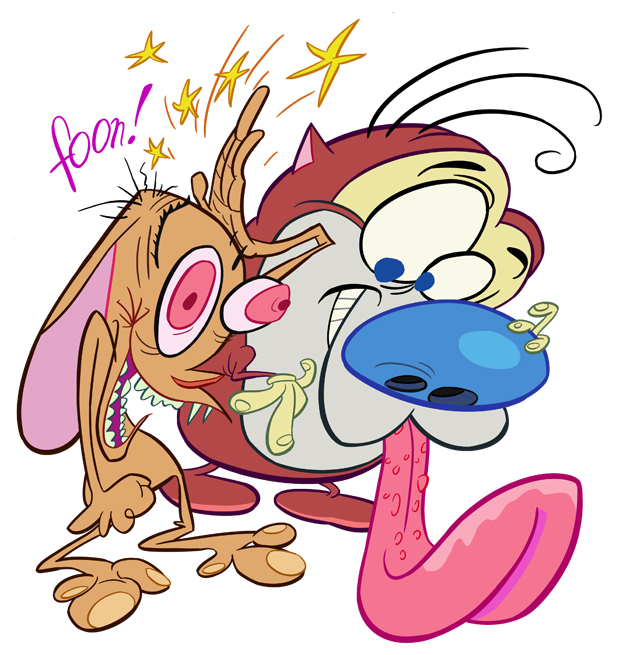
This is just a small taste of how this unlikely animated duo managed to become a cultural touchstone for Generation X. The Ren and Stimpy Show hit the pop culture landscape with the force of a neutron bomb when it first aired on Nickelodeon in 1991. But Ren and Stimpy weren’t the product of some mega studio brain trust. It was the product of one man’s imagination, Canadian-born animator John Kricfalusi (aka John K.), who through blood, sweat and tears (mostly sweat, as we found out in our interview), stumbled on to fame by sneaking in through the back door.
“I used to doodle this retarded cat all the time, a million weird variations of him. He was just a phone doodle, like, I would talk on the phone and just draw all the time on notebook pads,” Kricfalusi says of the characters’ origins. “And every now and again, I’d get a drawing that I’d actually like, and I thought, hey, maybe I should make this into a character.”
In the beginning Ren and Stimpy weren’t even a duo, but they were separate doodles (Ren based on an old photograph of a psychotic-looking Chihuahua in a fuzzy sweater) until Kricfalusi’s friend Joel Fajnor suggested that he pair them up.
Kricfalusi tried shopping his characters to Saturday morning cartoon networks in the early to mid-‘80s in a time when no creator-driven cartoons existed on TV. He says that back then, Saturday morning cartoons were solely based on action figures, animated versions of live action shows or horrible rehashes of once popular characters.
“They would take out everything that made the character popular in the first place,” Kricfalusi says of the latter category. “Like in the Popeye cartoon, he wasn’t allowed to fight. Then what the fuck am I watching Popeye for?”
Clearly, pitching to the big networks—ABC, CBS, NBC and Fox—in this sort of environment was doomed from the start.
“They thought I was nuts!” Kricfalusi admits.
“I was super naïve,” he goes on to say. “I thought they had crappy cartoons on the air because they couldn’t find anyone who was funny. But no, they had crappy cartoons on the air on purpose.”
However, Kricfalusi eventually did find a home for Ren and Stimpy. The following is an excerpt from a lengthy interview in which the fiery animator talks about what it took to bring The Ren and Stimpy Show to an upstart cable network and also talks about his new cartoon, “Cans Without Labels,” a short based on a true story.
What changed in the ‘90s as far as television was concerned that made The Ren and Stimpy Show possible?
Nickelodeon. It was a cable network, but it was a little cable network for kids. They’d only done live action shows… They decided in 1987 that they wanted to do cartoons, but they also decided that they didn’t want to buy cartoons from the big studios. Geraldine Laybourne, who was the president of the network, she coined the phrase “creator-driven cartoons,” which wasn’t a new invention. All cartoons were creator driven until the mid-‘60s, until Saturday morning cartoons, which were executive driven. But she came up with this term that was kind of catchy. They wanted to get young artists who really believed in their characters and had something different…
I had this meeting with Vanessa [Coffey], and she was staying at the Universal City Hotel. She was on the 14th floor or something. For some reason the air conditioning was off that day and it was the middle of summer so it was a real boiler.
I brought seven presentations. Ren and Stimpy was just one of them, and I pitched them all. It took me an hour and a half, and this was in 100-degree heat. When I pitch, it’s kind of lively. I was just jumping around, and every time I would shake my head, a sheet of sweat would slap Vanessa across the face. I would apologize, but she said don’t stop, just keep going. She hardly said anything throughout the pitches, she would just say, “More, more.”
They flew me out [to New York] the next day, and they had a room full of executives now. Vanessa was the only one who was going to be in charge of the animation, but they had executives from other departments just to hear the pitch, so she would have people on her side. None of the other executives really understood anything that was going on while I was pitching it. They were all scared…
I was working on the sixth pitch, and I heard stomping coming down the hallway, and it was Gerry Laybourne. She comes in and says, “What the hell is going on in here?” All the executives were terrified, they were like, “This is John from L.A. He’s pitching a show for us.” Gerry said, “Oh, really? Can I hear one?” I just had one left. It was Jimmy’s Clubhouse about Jimmy the Idiot Boy, so I pitched that. I was covered in sweat again. I’m jumping around, and in the middle of it—I have an asthma inhaler in my pocket, and it flew out and hit her right in the tits. It hit her so hard she jumped back. Everyone gasped… Gerry calmly leaned over and picked up the inhaler and gave it back to me. She said, “Keep going.” I finished the pitch, and she didn’t even look at me. She looked at the executives in the room and said, “Buy something from this man,” and she left…
By the end of the week, we had a deal. It was a shitty deal. I had to sell out. I didn’t get anything out of it except a salary, but I wanted to get my stuff on the air. It was the only network in existence at that time that would buy an original animated show. So there you go. That’s how Ren and Stimpy got on the air.
So you didn’t see a dime of any of the Ren and Stimpy licensing, like all the toys and stuff?
No, and it sold like a billion dollars in toys.
Is that something that irks you at all?
If I had even co-owned it, I could make any cartoon I want. I would have owned a giant studio, and animation would’ve kept evolving over the last 20 years… Here’s the crazy thing: It’s really hard to get a hit show and to get an original show that’s a hit, because networks all have theories. They think everything is a formula. But almost every big hit show, at least in animation, snuck in around what last year’s formula was. Like The Simpsons, if Matt Groening had gone in and pitched The Simpsons as a half-hour show to Fox, there’s no way it would have gotten on the air. But the way it got on, it was just one minute of The Tracy Ullman Show. No one was paying attention at the network until it started getting tons of fan mail and got to be the most popular part of the show, so they realized they had to make a series out of it. So that didn’t go through traditionally. The Ren and Stimpy Show didn’t get on Saturday morning, it had to go to the network that didn’t know anything about cartoons and didn’t have any rules about them…
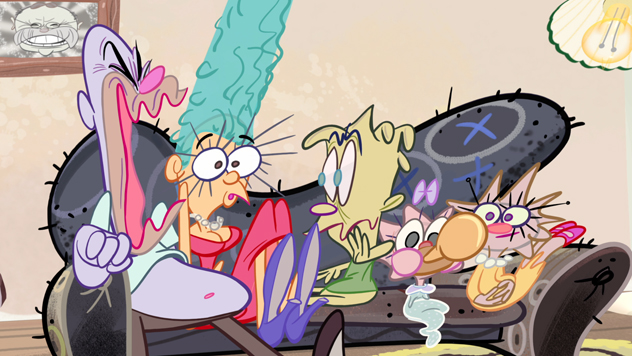
But as soon as these breakthrough shows happen, everybody tries to figure out the formula, like, “Why is The Simpsons so popular?” It’s never because of Matt Groening. It’s because there’s a grouchy father and it’s a family and because it’s sort of like a sit-com, and then a million imitation Simpsons come out and none of them are successful and no one can figure out why. It’s because you didn’t have Matt Groening creating them. They never want to attribute the success to the creator. They think it’s the formula. What are the ingredients of this show that we can copy? Beavis and Butthead was the next big hit. There’s no way that Mike Judge could have sold that as a series right off the bat. He did it as a short, “Frog Baseball”… Liquid Television put it on their show, which was an abysmal show mostly. Most of the stuff [on the show] was unwatchable, but [“Frog Baseball”] caught on. Everyone loved it, so they made a series. That came out, and probably a million Beavis and Butthead imitations followed, none of them successful because they didn’t have Mike Judge. He’s a hilarious guy. There’s millions of imitations of success, but not many successes, because they always sneak in through the back door.
Looking back, do you wish you would you have done it differently with the contract?
There’s nothing I could have done. I wouldn’t have gotten on the air. No one would have known who I was. I’d still be churning out Saturday morning cartoons. There still would have been Saturday morning cartoons.
Do you feel like you did what you set out to do? Make cartoons good again?
I made them different, anyway. For a while, creator-driven was the trend. It became the fashion from the early ‘90s to the mid-‘90s. And then all the cable networks started getting their own studios and started doing the opposite of what made them successful in the first place. Instead of going to creators, they made their own studios and packed them with slaves and controlled them. And they had fewer and fewer hits.
You used Kickstarter to fund “Cans Without Labels.” You were able to raise quite a bit of money for it.
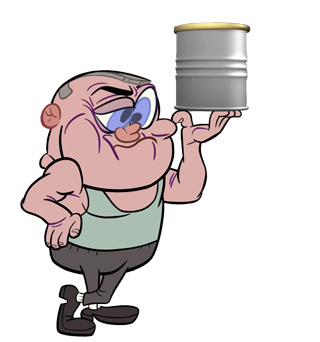
It seems like a lot of money, but it wasn’t actually enough. The cartoon’s a lot longer and more elaborate. I had a storyboard done and a few layouts, but I didn’t have a studio at the time. I tried to produce it out of my house with freelancers, but that just doesn’t work. Maybe if we had a really simple cartoon that would work.
The main character George Liquor [who also appeared in The Ren and Stimpy Show] is based on your father, correct?
Partly, not totally. He’s not a caricature of him. My father doesn’t look like that, but the parts about discipline and that he likes fishing and doesn’t take crap from the kids. He believes in hard work and that everything should hurt or the reward isn’t worth it. That’s my dad.
What’s the story of the cartoon? Is it more of a personal story for you?
It’s a true story. My dad believes in saving a buck. He grew up in the Depression when everything was hard. He never had any money, so if they had a dollar, they held on to it. Even when he had money, he still held on to it. He tried to teach us, the kids, the value of a buck, but it didn’t work. But in the ‘60s, everybody was kind of well off. That was the height of the middle class. The middle class would have been considered rich a hundred years earlier by the way we lived. We didn’t live in a mansion or anything. My dad was like, “You kids have it easy. You have to learn to save a buck in this here world. You never know when there’s going to be another depression!” He was always on the hunt for bargains. He still is! He’ll never buy anything for full price. It’s just plain stupid. And he’ll never buy brand names, because they cost twice as much as the generic labels. He used to go to the local supermarket in Ottawa called Loblaws—William Shatner used to do commercials for it. They were great…
There was a damaged goods section at the back of the supermarket, and there were a couple of shelves where they had cans without labels. They had lost the labels, or they had dents in them so they tore they labels off, and they would just take a big marker and write “5 cents” or “10 cents” if it was a big can. My dad would just run down there with a big cart and run over all the old ladies and stuff and just fill the cart with every single can. He didn’t care what was in them. He didn’t want to know. He just took them all home because he knew one day the Commies were going to drop a bomb on us or something, and he’d be ready. The basement was filled with these cans. No one knew what was in them. My dad swore he could figure it out. He’d count the rings, or whether it had a gold lid or a silver lid, he’d weigh it and shake it. He’d always guess… He’d say, “I know what’s in here! Peaches!” But it was never fucking peaches. It was always something completely hideous, some gruesome thing no one would eat. But once you opened the can, you couldn’t waste it. It could be like beef testicles or something, but you still had to eat it.
Was his gift for thrift something that he passed down to you? Do you consider yourself a thrifty person?
Oh no, not at all. He’s still lecturing me about how I don’t know how to save a buck.
Does your dad like the character?
He thinks the story is great, but he says I made up a lot of stuff. I exaggerated a little bit, but not that much. My dad’s a very extreme personality. It’s hard to exaggerate him more than he already is.

You can check out John K.’s blog at Johnkstuff.blogspot.com.
Cults emphasizes live performance and studio production on their upcoming album, Static
When you break onto the scene as seemingly out-of-nowhere as New York-based indie rock duo Cults did (on the strength of their lauded, self-titled album, released in 2011), you’re bound to garner some attention—wanted and unwanted.
Native San Diegans Madeline Follin and Brian Oblivion formed Cults while attending school in New York. Both were film students when they decided to get together and start making music. On the afternoon of our interview, the duo was taking care of the publicity side of the music business, taking time away from a photo shoot to speak with Submerge.
“I personally don’t very much enjoy it, but it’s the weird side of what it is that we do,” Oblivion intimated over the phone from New York.
“It’s just the weird reality of being a musician,” he elaborated. “If you’re a film director, and you work on something for a bunch of years and you present it to people, that’s your art. You stand on the red carpet for 15 seconds, and that’s all that’s required of you. Being an artist as a musician, part of the art is yourself and your personality and your presentation. It’s a whole new set of challenges to deal with. Sometimes it’s hard to shift gears between spending six months in the dark hole of the studio and then going out and being a rocker. When you’re doing the studio thing, you’re looking forward to putting on your rock face, and when you’re doing the rocker thing, you just want to go back into the studio.”
Though Cults’ rise to notoriety may seem meteoric to outside observers, for Oblivion, it happened in a timely manner.
“It seems that way to everybody else—the “it just happened” thing—and I guess it happened faster for us than it does for other bands, but it felt gradual to us,” he said of the band’s rush to indie stardom. “We played a small show, then a little bigger show, then a little bigger tour. It built up over a year before our record came out. For us, it felt like just the right speed. Anything slower would have been tedious.”
On Oct. 15, 2013, the band will release Static, its sophomore effort and second for Columbia Records. Though the album has much of the dream-y elements that propelled songs such as “Go Outside” from Cults onto many a music aficionado’s play lists, shrewd listeners will find a toothier sound. It has a grittier, more aggressive attack as evidenced by songs such as “I Can Hardly Make You Mine,” with its buzzing guitars, sultry bass groove and thumping drum beat. Oblivion said he was mostly concerned with making an album he’d like to listen to when he and Follin entered the studio, but he also felt as if he had something to prove.
“I feel like an asshole for saying this, but I don’t think there are too many rock bands any more that are interesting or trying to do new things,” he said. “But also, just to prove to myself and to the world that we’re a real band. So much of what happened in the beginning and so much of that moment in music was a lot of people celebrating amateurism, which I am a fan of. But I think we came up in that scene where the bedroom [recording] idea was very rampant. That’s kind of diminished, and I’m glad about it. I didn’t want to make another bedroom album. I wanted to make a real studio record. I think we definitely did that.”
In the following interview, Oblivion elaborated on what it meant to him to make a “real studio record,” and explained why he just can’t let go of his love for ‘90s hip-hop.

Photo by Eric Chakeen
That video you put out with the Jonestown clips, for “Go Outside,” I can see why it garnered so much attention, because it’s such a striking clip as well as being a good song. Is that something you feel like you have to craft, alongside your music—how you’re going to present it to people?
Yeah, that’s the really fun thing about being a musician. These days, it’s in style and it’s also just practical to do things on your own. We get to make music, and we get to perform it, but we also design our own stage sets and design our own album art. We work with directors to create our own videos. We get to be creative in a lot of different ways. That’s why we’re so excited about doing this, because we get to have a multifaceted outreach of fighting our own boredom.
How was it being in New York when you first started the band, meeting up for the first time? Were you excited about the move, and was New York inspiring for you to form Cults?
That was how we grew up. Madeline was back and forth between New York her whole life, because her mom lived here. We were art kids who couldn’t wait to get out of San Diego and get to “the big city.” The expectations of what’s going to happen in New York for a lot of people when they come here are very underwhelming, because you have to do so much work out here to get respect from anybody or access to anything, but also just to live. It was a really difficult situation and it can be jarring, especially coming from such a coddling womb as San Diego. Some people hang in there and some people don’t. Some people don’t like it, but I think it’s for us.
So you’re both from San Diego but didn’t meet until you were in New York?
It’s bizarre, because we’re both from San Diego, and then we both moved to San Francisco at the same time, and then we both moved to New York, but we didn’t know each other.
I don’t want to sound cheesy but it was almost like you were destined to meet at some point.
Something like that [laughs]. It’s almost like a normal path for kids from San Diego who want to do art. You move to the closest big city, but everyone I know from San Diego lives in New York now.
San Diego is a big city, but it doesn’t sound like it held too much inspiration for you.
That’s what I always tell people, man. It’s the seventh largest city in the country. San Diego deserves respect, but it’s a really, really nice place, which is hard because life is so comfortable there and awesome that you can think, why do anything else?
Were you both involved with bands when you were in San Diego?
Honestly, no. None of us took music seriously until it fell into our laps. I’ve always casually played instruments, and Madeline actually had a brief singing career when she was 8 years old, singing for her stepdad’s punk bands. She was offered a weird punk record deal but didn’t take it. I think she’s always harbored some secret ambition to sing. I would make music on the side, but I never thought it was good enough to compete with my friends who did it more than I did. It took a bit of bravery for us to make some songs, because most of our friends have been doing that for a lot longer than us, but it ended up working out.
When you set out to make Static, what did it mean to you to make a real studio record?
For me it was about live performance, because on the last record, everything was done on my laptop and then brought into the studio and that was it. Most of those drums were fake drums, and the bass was fake. It was all played on keyboards, but this time around everything was live and real, and it presented a crazy set of challenges that I wasn’t immediately able to deal with—having other people play stuff and having a real drummer and recording those instruments and making them work together with a looser feel. I had to figure out my own way to do it. It was super exciting, and I feel like I learned. It was like I went to school or something, just getting up every day and working on it was a tremendous challenge, but it was the best thing I could’ve been doing.
With the last album, like you said, you were on your laptop so you could’ve tinkered with it forever and you’re not really wasting people’s time or money, but was working with live musicians a lot more of a time-consuming process?
It was definitely more time-consuming. It took a lot longer, because we were reaching for a broader palette of sounds and trying out more stuff. I played pretty much everything except of the drums. We actually recorded the drums three times, because I was never happy with how they sounded. It was long days of sitting around trying to find organ sounds and stuff like that.
Were there any albums you were looking to emulate when you were making Static?
In the beginning it was Screamadelica [Primal Scream’s third studio album], which is kind of weird because it didn’t turn out that way. In the beginning, it was like, we’re going to make this big gospel/rock record with electronic production. The first time I heard Screamadelica, I thought the songs were incredibly cheesy and dated, but after the fifth time I listened to it, I was like, “Who cares? This is incredible!” I really fell in love with that, and we had a few songs that didn’t make the album that were more like that, but in the end, the biggest, most important thing on this record was rhythm, because I feel like so much of music today—from a tiny blog to Top 40 radio to rock radio, even—is four-on-the-floor dance beats. We’re like in the new disco, where we’re all going to look back and be like, “Oh my God, remember when we did that? That was horrible.” I really wanted to make a record with cool and interesting rhythms. I’m not a drummer, so that was challenging.
I read an older interview with you guys where you mentioned that hip-hop production was something you were really into. Is that something you moved away from with Static?
I still feel that way. That’s why it was so hard for me with the drums, because I really like how loops sound. It was really difficult to get somebody to play [that way]. It’s the same problem that Daft Punk had, getting people to play music with that kind of feeling but with a touch of humanity—just not too much [laughs]. I’m still in love with all that stuff, ‘90s hip-hop. I always think about that. Even when writing a bass line, I was always trying to write bass lines that could be a weird sample, like this could be a dusty drum break from a record, and I can’t really let that stuff go yet.
Check out Cults in Sacramento as part of this year’s Launch Festival. Cults will play on the main stage at Cesar Chavez Park on Sunday, Sept. 8. Check out Launchsacramento.com for a full lineup of bands and events and to purchase tickets. You’re going to want to do both, because this year’s music lineup is STACKED. Blonde Redhead, Imagine Dragons, Girl Talk, Minus the Bear, Rocket from the Crypt (holy shit!!!), plus a slew of local talent…if you’re not there, you should take a serious look at your life choices.
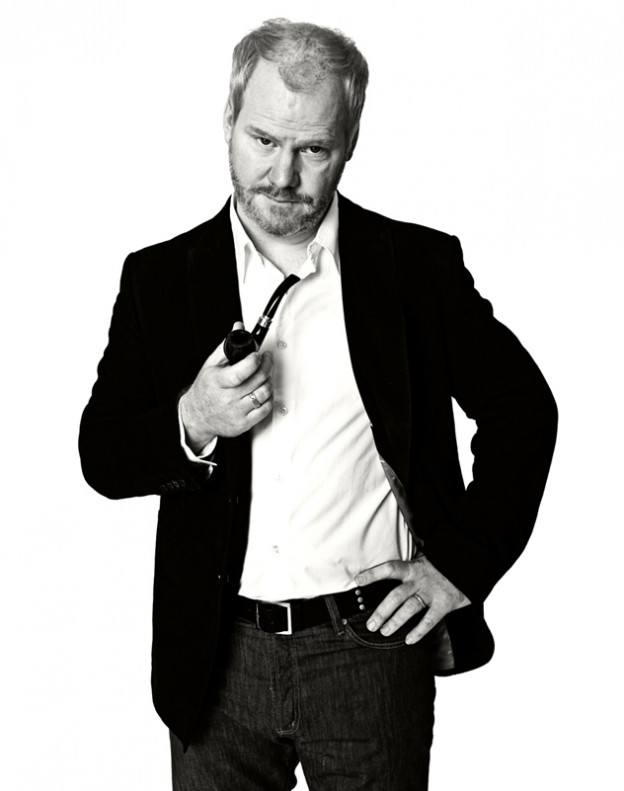
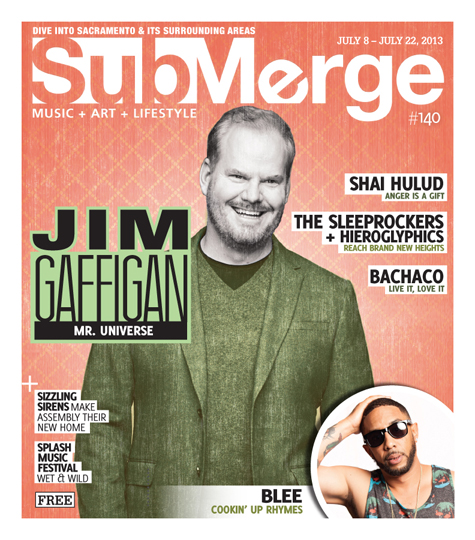
Author, actor, comedian, father: Jim Gaffigan wears many hats and does so quite well
Jim Gaffigan called 15 minutes late for his interview with Submerge. This isn’t a rare occurrence for us. When you’re in the business of talking to creative people, you’re often at the mercy of their whims and schedules. Sometimes, the sheer number of interviews a subject may have scheduled for a day is the cause for the delay. Sometimes they just simply forget (creative folks aren’t always the best at keeping time, after all). Gaffigan had a different reason, though, for calling late. He had to pick up his kids from soccer practice.
It’s this sort of regular-guy quality that makes Gaffigan’s comedy so accessible. Working mostly clean and steering clear of sexually charged or controversial topics, Gaffigan is wholly relatable. He’s sort of a breath of fresh air in a time when making a name for yourself in the world of entertainment follows how far you can push the envelope. Gaffigan is just a regular guy, the kind you might bump into at your local grocery store, children in tow. The difference here, though, is that he’s outrageously funny.
Gaffigan’s quiet style and measured way of speaking (he calls himself a “slow-talking Midwesterner”) belies his razor-sharp wit. His latest special, Mr. Universe, which was released on his website on April 11, features the comedian riffing on topics from parenthood to his difficulties with staying in shape to fast food restaurants. Though his topics may seem ordinary, he has the uncanny ability to find the hilarious in the mundane.
In May, he released his first book, Dad is Fat, a rumination on his life as a father of five children. He says he began writing the book because he didn’t want his “whole standup act to be me talking about my kids.”
“As an observational comedian, I’ve been given four opportunities to go through pregnancy, the delivery and just living with a baby, so I should probably think about doing a book,” he says. “It took me a while to figure out with what type of book. I knew my point of view—what it would be—but figuring out the whole idea of the book, which is I have no idea what I’m doing.”
In the following interview, Gaffigan talked a bit about parenting and also about his search for creative fulfillment, including his appearance on Broadway in That Championship Season in March 2011.
In your Mr. Universe special, you were saying you had four children, but now you have five, right?
My wife was pregnant when we were shooting Mr. Universe, and then the baby came. We released it on my website, and I thought, OK, I’ve done that “I’m overwhelmed with too many kids thing,” and then my wife got pregnant again. It just made it a little bit more absurd.
You said the book is about you not knowing what you’re doing. Now that you’ve had five, has it gotten easier, or is it even more difficult because of the sheer multitude of children?
I would say that my skills have improved, but because of the number of children we have, it’s much harder.
In one passage in Dad Is Fat, you wrote that you found yourself clapping your hands really loud like your dad used to do, which you always hated. Now that you’re a father yourself, do you find yourself becoming more like your own father?
You’re very aware of what your parents did, and you gain an empathy for why they parented the way they did, but you also are hypersensitive that you don’t want to recreate some of that. I think my dad is more of a result of his generation, but I’m definitely much more involved in my kids’ lives. It’s never the perfect amount, and I think I’m focused on having more fun with my kids, whereas my dad was more focused on ensuring that I didn’t become a hobo.
As a comedian you do a lot of traveling, but you’re kind of your own boss in a way, so you can make your own time. Is it a juggling act in that regard?
It’s great. Look, I’m lucky that I get to do what I want, but I’m also lucky because I’m in a position to do theater shows, and I’m in a position to bring my kids with me. I’m bringing my kids with me on this West Coast bus tour.
How is it to bring everyone Partridge Family-style across the country together?
There’s certain chaos. There’s not a lot of sleep. I do a show every night, and we drive at night, and then we have to get up and do things with kids, because we want to do things with the kids. And then there’s the travel pressure. We don’t succumb to it constantly, but if you’re in San Diego and you have a bunch of kids, you should go to the zoo. Like, we’re going to see the Redwoods and stuff like that…
There’s plenty of reasons why it’s great to have kids, but you feel inspired to go see these things. You want to share them with your kids. If I was alone, I don’t know if I’d stop to see the Redwoods. I don’t know if I’d stop and see the San Diego Zoo.
It’s interesting to hear you talk about your family and how you bring them out on the road. I think there’s a stereotype of standup comedians as heavy drinkers…
Degenerates.
Was that ever part of your life as a standup comedian?
Being a standup comedian is a nocturnal existence. Now with five kids, it’s not even an option to go and hang out, which is good, but standup can get you in trouble, because when you’re done with your day of work at midnight or two in the morning, people are never making the best decisions at two in the morning.
Do your peers act differently around you? Do you hang out with other comedians?
Yeah I do. There’s a bit of a stereotype that they’re all hard partiers. There are the cautionary tales, but you can’t keep up being productive with a reckless lifestyle. It’s not good news for people hearing that a lot of comedians are drinking chamomile tea backstage. I get done with a show, and I’ll have a beer, but only my wife’s there. I’m not interested in, you know, but it’s an ongoing thing. It’s weird. The entertainment industry is a strange thing where you can buy the hype, and that’s just kind of silly.
I thought it’s really cool that you work clean. I also liked that you seem to heckle yourself on stage. Like, at one point in Mr. Universe, you were joking about shoes, and then you shot yourself down by saying, “Oh, what’s he going to do, make jokes about socks next?” before going into a bit about socks. Is that something you’ve developed over time?
Talking for the audience, or talking for someone else, I remember doing that as a teenager. It’s just an effective way to disarm someone… There’s a confessional quality to it.
Was it born out of nervousness or stage fright or something like that?
It’s really kind of counter-intuitive for a comedian to criticize his own act. It was much more of a taboo when I started doing it, because what that tells the audience is that, if they misinterpret it, you don’t have confidence in the jokes. If you don’t have confidence in the jokes, then they can go after the jokes, if you get what I’m saying.
Why do you think you’re able to make that work then? Is there something about your demeanor that makes that work really well?
I don’t know. It’s weird. You can overthink it, but I think there is an everyman quality, or maybe that I’m a goofy looking pale guy. I don’t know. I think people are attracted to a sense of vulnerability on stage. So often—I always say this—comedians get credit or criticism for the type of comedy they would do anyway. I did have some curse words occasionally. It wasn’t a big sacrifice for me to get rid of them, so then there are people who think it’s great that he’s clean, or some people who think it’s horrible that he’s clean. I’d love to take credit for it, but I really had nothing to do with it. If you’re talking about bacon, it’s probably not necessary to curse.
Before, you were talking about doing shows on Broadway. What was that experience like for you? Was that something you always wanted to do?
I never expected I’d have the opportunity to do it, to be honest. I loved it. It’s exhausting, and you’re really doing it for the right reasons, because the likelihood of doing a play changing your life is pretty slim in this day and age. It was really rewarding. I’d love to do another play if I was in the position to get the same opportunity, meaning an amazing role.
Standup, to me just being a fan, would be the most nerve-wracking thing to do because you’re up there all by yourself. Acting in a play would be second, because you have to remember all those lines. Do you think doing standup gave you a leg up on acting for the stage?
I think they’re two pretty different skills, but I love acting. I love being a cog in the wheel of the scene. There’s the fourth wall when you’re doing a play where people are observing it. Standup is much more of a conversation. It’s fun to do the different things.
Is there any role in any play that you’d love to take on?
There’s the Paddy Chayefsky play, Marty. I’d love to play Marty.
Any particular reason why?
I just like that story. I haven’t seen the movie in forever. I might have to see it again. I just love the simplicity of the story, this regular guy who’s trying to find his way.
You’ve done stage acting and been on television and in movies. You’ve written a book. Is there anything in entertainment that you haven’t done yet that you’d like to do?
It sounds corny, but I just want to find creative fulfillment. There was something creatively fulfilling about writing a book. In the end, I held a book and it was something I wrote with my wife. It’s weird. I think when I started, I didn’t see myself doing theater, so I’m just keeping an open mind. There’s nothing in particular.
You talk about creative fulfillment, is that why you try a lot of different things? Is that what you’re really striving for in all of your work?
Yeah, I think you have to create your own opportunity. I know that the book is something I could do, but if I was like, “I want to be the lead of a serious dramatic movie,” that’s not something I have control over.
See Jim Gaffigan live when he comes to the Sacramento Community Center Theater on July 15, 2013. The show starts at 7 p.m., and tickets start at $36.75. They can be purchased through his website, Jimgaffigan.com. You can also download a DRM-free version of his latest special, Mr. Universe, on the site for just $5, $1 of which will go to benefit The Bob Woodruff Foundation, which helps veterans and their families.
Horseneck: Born out of Booze and Ready to Rock Your Face
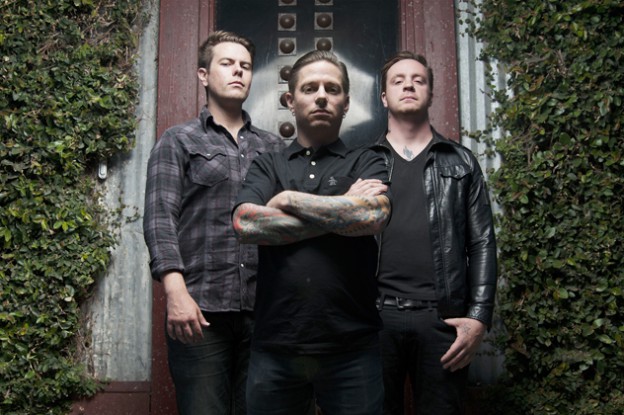
Most of us would agree that bars are wonderful places. They’re great places to go with your friends or significant others, or to meet new friends or significant others (at least significant for a night or so). And, hey, if you go alone, your bestest buddies Jack Daniels and John Jameson are already there waiting for you. Besides sources of booze, bars can also be houses of inspiration. Artists, writers and musicians have flocked to bars for as long as they’ve existed hoping to find their muse—either at the bottom of a glass, or hidden in the cacophony of overheard conversation. As Sacramento heavy music purveyor Anthony Paganelli tells us, his newest band Horseneck owes a lot to local bars.
He had known bandmate Lennon Hudson through their mutual manager, Eric Rushing. Paganelli and Hudson were both entrenched in the music scene as members of other bands (Paganelli as part of Tenfold, Shortie and Will Haven, and Hudson as part of Still Life Projector). The two got together one night at Golden Bear with Hudson’s longtime friend Matthew Ison, and the conversation eventually turned toward the three playing music together.
“We weren’t doing anything else but drinking and having fun,” Paganelli says. “We were like, ‘Might as well start jamming, kill time that way.’ We started a band. It wasn’t this band. Then we changed it to Horseneck and it just felt right.
“Will Haven wasn’t really doing much. They’d put out a record and did a little bit of touring in Europe, and that was it,” he goes on to say. “I was getting really bored and I wanted to start something new. I had all these riffs and ideas, so I called Matt and Lennon and said let’s do this.”
Paganelli says that he formed Horseneck because “there weren’t very many heavy bands out in Sacramento that I could relate to.” A counterpoint to the many scream-o and metalcore bands on the scene, Paganelli wanted Horseneck to hearken back to a different, blues-based era of metal.
“I was drawing influences from all the classic rock like Led Zeppelin and stuff like that…blues-driven rock stuff,” says Paganelli, who says he first started playing blues when he picked up the guitar, inspired by the music his father would listen to, before he got into punk and metal later in life.
The music got heavier, though, when the band decided to put Paganelli behind the mic. He says Horseneck felt right as a power trio, and they really didn’t want to go out and find a vocalist that would possibly stir the pot.
“None of us could really sing, so I just grabbed a mic and started yelling and it just worked,” Paganelli explains. “We became this heavy band, but that was what we wanted anyway. We wanted to do what everyone else wasn’t doing.”
Their vibe must have been right as the band released two EPs in 2013. The first, Belly Full of Blood, is the heavier of the two—a low, throbbing, grungy, Melvins-esque five-song EP with similarly gruesome song titles like “Dirt Turkey” and “Hooker Toilet.” The second, The Worst People Ever, is still heavy but is less pure brute force and has more of a calculating attack.
“The first EP, we had just started playing. That was the first five songs we wrote. I was trying to figure everything out,” Paganelli says of the difference between the two EPs. “I feel like it was a little bit harder of a record, too—more metal influence. With The Worst… EP, we were a little bit more organic about writing. We were jamming more, and I felt a little more confident with my vocals. With the new stuff we’re writing, it’s getting more organic, and I’m even more comfortable with my voice.”
The differences between the two was one of the reasons why Horseneck ended up having two separate releases as opposed to one full-length album.
“We never planned on releasing anything,” Paganelli says. “I gave it to Eric Rushing, because he’s a longtime friend of mine, and I thought he could help me get on shows or just network and stuff, and he told me to hold on to it and not release it. He said, why don’t we go back and record more songs, and we’ll talk to the label, Artery Records, and maybe release it through Artery.”
Horseneck has a distinctly different sound than many of the bands in Artery’s stable; however, both Rushing and Paganelli thought Horseneck could help the label diversify.
Both EPs were recorded at Pus Cavern with the help of Matt Pedri, who’s worked with Armed for Apocalypse and Will Haven in the past. The Worst People Ever was mixed by Dance Gavin Dance’s Josh Benton.
“We went back and recorded seven tracks, which became The Worst People Ever EP, but they sounded totally different,” Paganelli says. “We recorded them in a different process and spent more time… We weren’t going to put them both together as a weird sandwich, like, we don’t care if they sound weird. So I said, why don’t we release them as they were recorded? That sounds better. It makes more sense. We felt comfortable with that approach, and Eric thought it was a better idea as well.”
Paganelli says the band is currently writing new material for a possible full-length, hopefully to be released early next year. He says that the confidence in his songwriting that he built coming into The Worst People Ever is continuing to grow on the new material.
“I feel like I’ve thought it out a little more than I did in the past,” Paganelli says of the new material he’s working on. “Having more confidence in my ideas helps.”
Paganelli also has a new songwriting partner, his 1-and-a-half-year-old son.
“I play guitar for my son, and when he likes it, he dances around. So sometimes I actually bounce riff ideas off of [him],” he says. “We play guitar all the time at home and sing songs and stuff. It definitely changed a bit of my songwriting.
“It’s more difficult being in a band as a parent, because, obviously, you have a lot more responsibility,” Paganelli says of being a rock ‘n’ roll dad. “Touring is a little harder, practicing is a little harder, but it’s still doable, and it’s still fun. We still do it. I don’t think I could not do it. He enjoys it. He watches me do it, and maybe when he’s a bit older, I could play with him, or he could play with me. It would be rad.”
It’s funny to think that the good chemistry and momentum Horseneck has going probably started with a simple conversation between colleagues over drinks at a bar. The opening track on The Worst People Ever, “The Birth of the Neck,” is actually an homage to the band’s booze-y beginnings. It’s a short track featuring ambient bar noises—conversation, people fiddling about. In fact, the whole EP is based on the bar that Paganelli, Hudson and Ison usually hang out at, Cheaters.
“Most of the songs on that EP are reflections or stories or things that we went through hanging out there all the time,” Paganelli says. “It’s a bunch of inside jokes, well, not just inside jokes, but things that happened to us there. That whole EP is a little story about that bar…a little Cheaters storyline, I guess.”
So what is it that makes bars so inspiring?
“I love bars,” Paganelli enthuses. “I was a bartender for like four years. We collectively love to drink. Love beers and whiskey. I live on 32nd and Matt and Lennon live on 35th so Cheaters is smack dab in the middle and that is our home base. I love bars! I love bar noise. I love meeting people and the social interaction you get at a bar. It is different than any other place.”
So get out there and go to a bar. You never know. You might even become inspired. As if you needed another reason to go out drinking…
Check out Horseneck as they blow the doors of the place at Blue Lamp in Sacramento alongside Armed for Apocalypse and Death Valley High on July 12, 2013. Horseneck’s EPs are available via iTunes. For more on the band, go check ‘em out at Facebook.com/horseneckmusic.
5 Must-See Movies at the 2013 Sacramento French Film Festival
Words by James Barone
France. The very name seems to stand for all things romantic and pretentious; beautiful and despondent. Maybe it’s these dichotomies that have made the country such a ripe place for the arts over its rich and colorful history. Claude Monet, Honoré de Balzac and Jean-Luc Godard are just a few of the vaunted artists to come from France; and that’s not even counting all the creative minds who’ve flocked there in hopes of tapping into whatever it is the country seems to have that inspires artistic minds to create great works. Sacramento may be far from Paris (more than 5,500 miles), but that’s no reason you can’t bask in France’s je ne sai quoi from the comfort of your own city, and from June 21 through 30, you’ll have the opportunity to do just that via the magic of cinema.
Organized by the Sacramento French Cultural Society, the Sacramento French Film Festival is entering its 12th year. For the 2013 installment, the festival organizers have brought a host of Sacramento premiers and a handful of notable classics from across the Atlantic to delight local moviegoers, all of which will be shown at the historic Crest Theatre. Here’s a rundown of five of the films that you won’t want to miss.

Cloclo (2012)
Screening: June 21 at 8:30 p.m.
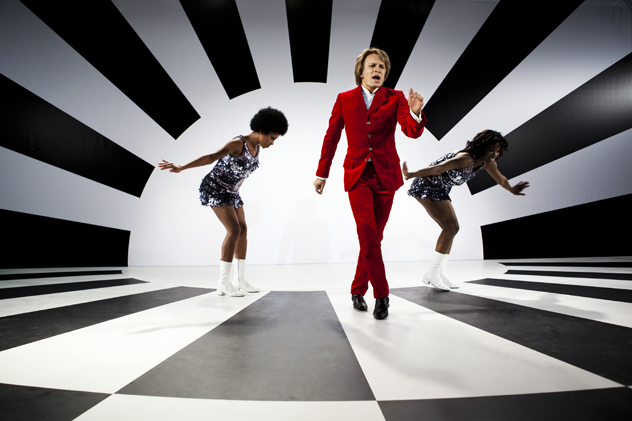
The SFFF gets off to a show-y start with this film about French pop star Claude François, who is best known for composing “Comme d’habitud,” which served as the basis for Frank Sinatra’s classic “My Way.” Starring Jeremie Renier (who appeared in the high-octane French action classic Brotherhood of the Wolf and alongside Colin Farrell in In Bruges), Cloclo (aka My Way) follows François from his upbringing in Egypt, through his rise to fame in Paris until his untimely death in 1978. This sprawling bio-pic features lush camera work and plenty of ‘70s style glam. You’ll only have one chance to catch Cloclo at the SFFF, and its lone screening will be preceded by the festival’s opening reception, starting at 6 p.m. in the Crest Theatre lobby. The reception will feature sets from DJs Christophe and Roger; food provided by Selland’s Market Cafe, Estelle’s Patisserie, Hot Italian and more; and an open bar courtesy of Barefoot Wine and Track 7 Brewery. If that’s not a good way to start a festival, I’m not sure what is.

Starbuck (2012)
Screenings:
June 22 at 1:05 p.m.;
June 23 at 1:20 p.m.
For something a bit lighter, check out Starbuck, a comedy that mushroomed into an unlikely international hit. The film follows the story of David, a forty-something slacker, who donated his sperm to a bank to make some extra cash. Due to a mix-up, his sperm went on to father more than 500 children, and 20 years after many of them are now filing a lawsuit to find out who’s the daddy (known only under the alias of Starbuck). If this sounds familiar, it’s because Hollywood is currently working on its own version of this film, Delivery Man, starring Vince Vaughn due out later this year. Check out the original French version first, so you can act all holier than thou when the American version is released (it’s fun, trust me). This is a fun, accessible film that shatters the myth that French films are all cigarette smoke and sadness (not that we don’t like those things too).

Les Miserables (1958)
Screening: June 30 at 1:25 p.m.
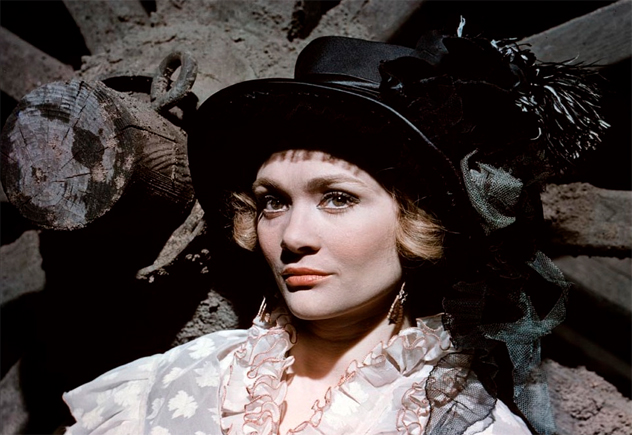
Maybe you were one of the many who swooned over the latest Hollywood musical reinterpretation of Les Miserables last winter? Well, this isn’t anything like that. You won’t find any tear-jerking songs, but you will be treated to perhaps the truest adaptation of Victor Hugo’s novel ever to grace the silver screen. This is a bona fide big screen epic clocking in at more than three hours in length (this screening will also have a 20-minute intermission). Adapted and directed by Jean-Paul le Chanois and starring Jean Gabin as Jean Valjean, this is majestic filmmaking on par with classic Hollywood epics such as Ben Hur or Cleopatra.

Aaltra (2004)
Screening: June 29 at Midnight
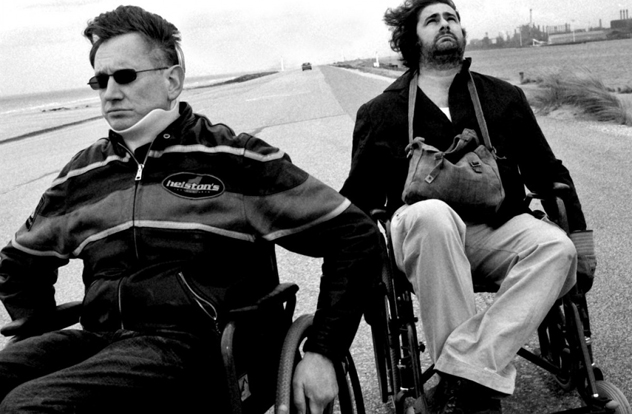
The SFFF also has a couple of late night options for moviegoers who like films that push the envelope. When an altercation ends in two feuding neighbors getting their legs crushed by farm equipment, the duo must set out on the road across Europe to Finland to track down the tractor’s manufacturer. Aaltra seems to follow typical road trip mode, where two characters who really don’t get along are forced to band together and journey a great distance so comedy may ensue, but unlike other road trip movies, our two protagonists here make most of the trip via wheelchair. This dark comedy will probably make you feel bad for laughing at its jokes. Don’t worry, it’s just a movie. Laugh away. You won’t go to hell, I promise.

Thérèse (2012)
Screening: June 30 at 7:45 p.m.
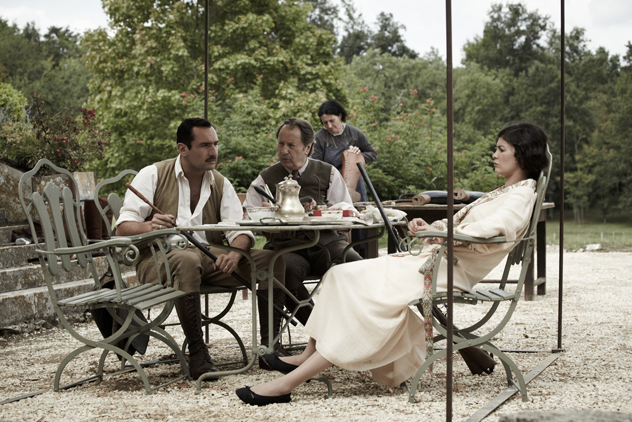
American audiences fell hopelessly in love (at least I did) with French actress Audrey Tautou when Amelie made a huge splash here in the States. While that hasn’t necessarily translated into a huge career in Hollywood, the actress is still breaking hearts overseas with her Audrey Hepburn-esque looks and sensitive performances. Thérèse, based on the novel by François Mauriac, is the final film Claude Miller completed before he died and closed out last year’s Cannes Film Festival. Thérèse will have the same honors here at the SFFF and for good reason. This harrowing historical drama tells the story of a woman trapped in a loveless marriage who never loses her free spirit. Tautou is also featured in another film shown at the SFFF, Delicacy, which will be screened June 28 at 6:15 p.m. and June 29 at 12:50 p.m. Thérèse will be followed by the festival’s closing night’s champagne party, which will also be held in the Crest Theatre lobby.
For more information and a full rundown of all the films featured in the Sacramento French Film Festival, go to Sacramentofrenchfilmfestival.org.
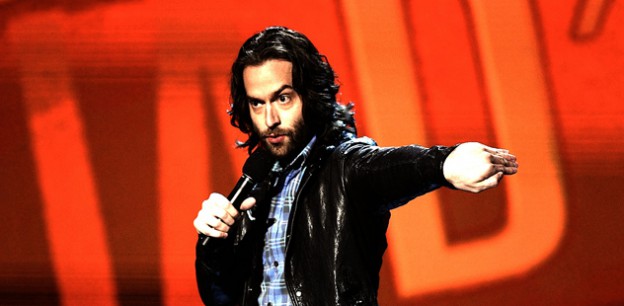
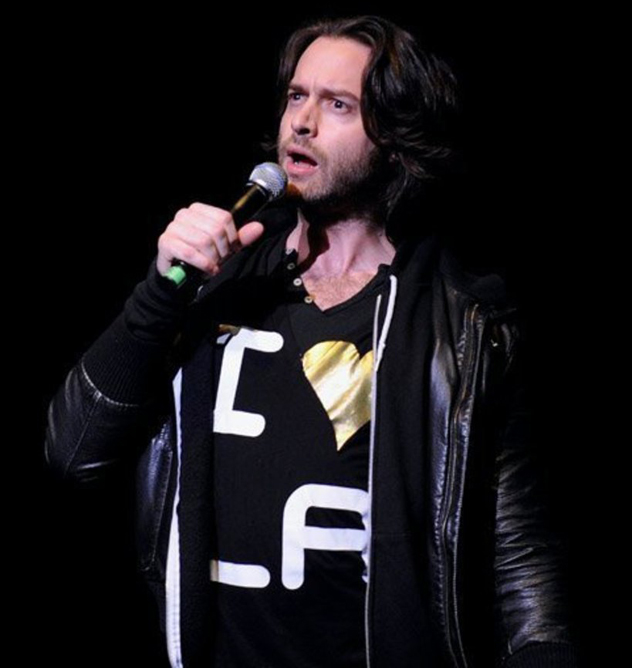
Chris D’Elia’s stage is set for a hallmark 2013
Chris D’Elia’s manic stage presence and energetic delivery make him perfectly suited for life as a standup comic, but when he was trying to break into comedy he first took a different route. D’Elia tried his hand at being an actor first, then a writer, but when that wasn’t working out, he decided to take the plunge into the do-or-die world of standup. As it turns out, it was the best thing the young comedian could have done.
“With standup, I started out of frustration,” D’Elia says, speaking with Submerge over the phone before a gig in Denver, Colo. “I was a writer and an actor and I wasn’t getting any work.”
Becoming a standup comic was always his ultimate goal, D’Elia says, but originally he didn’t take the stage out of a desire to follow his dream. More so, he felt he had no other option to get his career off the ground.
“I just got on stage at a loss,” he says. “I was like, you know what? I’m not doing anything. I was 25, and when I got on stage I finally felt like this is what I’m going to do. This is me. This is great. And it became what I do. It’s how I get work in acting and everything. Anything I’m a part of it’s because they know me from standup and it’s great.”
His work as a comic eventually got him his break in acting. D’Elia starred as Alex Smith, Whitney Cummings’ live-in boyfriend on the NBC sitcom Whitney. The show ran for two years, but was just canceled in March 2013.
“I loved Whitney,” he says. “I loved the cast and crew. I woke up every day and got to do what I wanted to do. Not a lot of people can say that.”
While D’Elia was sad to see Whitney go, it won’t be the last you’ll see of him on network television. In the fall, his own show Undateable will premiere in the fall, also for NBC. The half-hour, multi-camera sit-com has Scrubs’ executive producer Bill Lawrence at the helm and is written by Due Date’s Adam Sztykiel. In it, D’Elia serves as the main lead, Danny Beeman. Brent Morin, who opens for D’Elia’s standup act, will also star in the show.
In June, D’Elia will also begin filming a movie.
“It’s called Flock of Dudes,” he says. “It’s about a group of guys who are too close of friends, and it’s ruining their lives, so they decide to break up and not hang out with each other for six months, but they all work together so they’re trying to avoid each other. It’s pretty funny.”
Standup was the springboard for his career, but D’Elia is as focused as ever on his stagecraft. In the following interview, he talks about his popularity on video sharing app Vine, his standup career, conquering his fear of the stage and what life is like as a “black comic.”

You’re in Denver tonight right?
Yeah, I am. It’s really nice up here.
I’ve been through Denver once. It’s a fun city, but it’s got a weird vibe. I don’t know if it’s the mountain air or what. People seem a little wilder up there.
Yeah, I think it might be because at certain times of the year they don’t have much to do so they go nuts.
Does the altitude affect you in any way since you talk on stage for an hour?
The last time I was here, it did. It definitely takes its toll on me. I get anxious. A few days in, I get short of breath. But I live.
I was checking out some of your standup clips on YouTube the past few days leading up to the interview. How do you feel about clips of your live show being up online for free?
If it was already on TV, I don’t care. If it was already on TV, then it’s good to have it up online too so people can access it, so I like that. When it’s just from the club, or a fan or audience member did it, I always message them to take it down, and they’re usually pretty cool about it. If it’s like The Laugh Factory shooting it—they’ll shoot a lot of their shows and they’ll ask you if they can put up stuff—I always tell them no with the material and OK if I’m just messing around with the audience, because that’s just going to be a one-time thing. It’s not something I’m working on.
Yeah, I noticed a lot of The Laugh Factory clips, which is why I asked. I noticed a lot of them were you interacting with your audience…
Yeah, that’s why they’re up there. Sometimes because of that, people think that’s what I do at shows, that I mess with the audience, and that’s not the case. I don’t like that. I don’t enjoy it. I’d rather do my act than have somebody heckle me, because that’s annoying.
So audience participation isn’t something you particularly enjoy?
No. I’ll do it, because I like to put people in their place for being rude.
I saw a couple of clips where you were ragging on Drake…
Yeah, I don’t know. I’ll be driving to the clubs, and there’ll be hip-hop on, and then I’ll be like, “I’m going to talk about this on stage.” Those two bits, those were like the only times I did those, and Laugh Factory got them on camera. If it’s a really current topic I’m talking about, I don’t mind if they use it, because it’s not like I’m going to be talking about it for a few years. If the song’s hot, maybe it’ll catch on. And they did.
Have you gotten any backlash from Drake fans?
No not really. I don’t know if Drake saw them or anything. I say in the clip that I like his music, so it’s not a hateful thing.
You told us about trying to become an actor and writer before trying standup. Was acting or writing your first focus?
I always wanted to do comedy first and foremost, but I wanted to be an actor. I wasn’t getting work as an actor, so I started writing. I thought maybe I could write a good script and maybe do that, create my own opportunity. That didn’t work out. I was like, forget it, I’m going to get on stage because I need people to immediately see what I’m doing. I need some people to recognize what I do. Even if they’re going to boo me, at least people are seeing my work.
Does being on a sit-com or working on a TV show cut into your standup routine at all?
Not too much. I did 430 shows before I got on Whitney, and when I got on Whitney, I was able to do 300 and something. So, it’s a little bit. It kind of makes me obsess about it less, which isn’t necessarily a bad thing. It’s all for the standup, dude. All the TV and all the other stuff, whatever helps get people in the seats and have me do shows is the best. I shot my special about a month and half ago in New Orleans, so it doesn’t slow me down too much…
Standup is what I always wanted to do, but I was afraid to do it. It took getting beat up in the business for me to actually be like, alright, I’m going to get on stage. Standup was the first thing I ever wanted to do though.
Was it just the business being rough that got you over that fear or was there another catalyst?
It’s like this, dude. If you’re getting beat up in an alley by three guys and another dude comes along like, “I’m going to beat that guy up too,” you’re like, OK, bring it on. It’s like, what’s one more dude? That’s what I was like when I was like I’ll do standup.
I was looking at your Twitter feed today and I saw that you’ve been posting a lot of videos on Vine, which is really starting to pick up steam, even though it’s not at Instagram level yet.
No, it’s not at Instagram level yet, but it’s a force to be reckoned with. It’s pretty much the only thing I get recognized for now. If I’m walking down the street, people are like, “Oh my God, you’re the guy on Vine!”
The stuff you’re doing on Vine almost seems like guerilla comedy. You find things that happen on the street or wherever and you comment on them. Have you been attracting a lot of followers?
I’ve got one of the most followers on Vine, I think. But I think it’s cool because it’s just purely me. It’s nothing else but what I would do with six seconds. Some people are buying wigs and shit on Vine and trying to make funny videos. I’m just trying to comment and be funny.
Has anyone you’ve commented on ever caught you and taken exception to it?
No one has caught me in the act, but a few people have commented on it later and said, “Hey, that’s me!”
So they’re more honored than anything else?
Yeah, they’re honored. I was Vineing at the mall in Dallas, and the kid left school and came to the mall. This kid came and said, “I saw you Vineing, so I left school and came to the mall,” so I did a Vine with him. It was really funny.
The other thing I’d noticed on your Twitter feed is that your headline reads, “White male. Black comic.” Were black standup comedians your biggest influences in comedy?
I always liked that style, but also it was an inside joke. This other comedian, Erik Griffin, he’s black and he would always say about my act—because I’m all animated and shit—that, “you’re blacker than I am on stage.” It was a joke, but I would say, “Yeah, I’m a white dude, but a black comic.” I put it up as my Twitter headline as a joke and then people started to talk about it on my Twitter feed. I think that’s what I’m going to name my comedy special, White Male, Black Comic.
Chris D’Elia will perform three nights at Punch Line in Sacramento from June 6–8, 2013. To buy tickets, go to Chrisdelia.com and click “Tour.” Follow him on Twitter @chrisdelia.
The Hangover Part III
Rated R
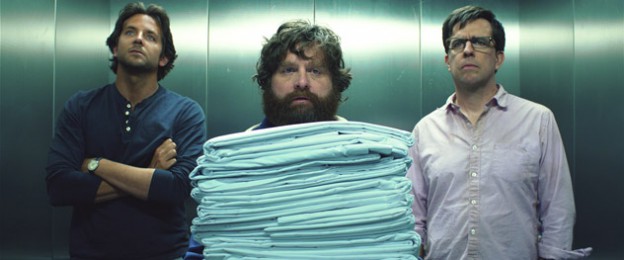
If it only seems like it was just yesterday we were introduced to The Wolfpack (Alan, Stu, Phil and Doug), it’s because it almost was yesterday. The Hangover only just came out in 2009, it’s sequel soon followed two years later and now in 2013, like clockwork, we have the final installment of “The Wolfpack Trilogy,” because nowadays everything is a trilogy. The Hangover Part III features all the characters you know and love (for lack of a better term) and even brings back those you’ve probably forgotten about, but the culmination of this little comedic saga is something far less familiar.
We open in a Thai prison where series trickster, the mischievous Leslie Chow (Ken Jeong) has just escaped. The scene is like something out of a cheesy ‘90s action film.
We then quickly cut to Alan (Zach Galifianakis) drinking a beer as he speeds down the freeway. Attached to his car is a trailer, which is transporting a giraffe (well, a computer generated giraffe). A low overpass beheads the giraffe causing a massive mult-car pileup in its wake. Alan seems miffed, but otherwise unaffected.
The rest of The Hangover Part III follows suit, juxtaposing weirdly dark comedy with elements of action, but it’s not a clean mesh of genres. Alan’s erratic behavior and refusal to take his medication leads his friends and family to call an intervention. The outcome of which is that Phil (Bradley Cooper), Stu (Ed Helms) and Doug (Justin Bartha) must make a two-day drive across the desert to transport Alan to a facility where he can receive the help he needs. But trouble follows The Wolfpack wherever they go, and along the way they’re abducted by Marshall (John Goodman), who’s involved in all kinds of nebulous criminal activity and is after Mr. Chow for stealing $21 million in gold that Marshall stole from a foreign royal. Marshall believes The Wolfpack is his only hope in finding Mr. Chow, so he holds Doug hostage and forces Stu, Phil and Alan to find the Chinese sociopath. The trail leads The Wolfpack to where else but Las Vegas. Along the way, there is a good deal of action, but the laughs are strangely absent.

The Hangover trilogy doesn’t stick to formula, which usually dictates that the second film in the series is the darkest. The Hangover Part III is quite dark. Though much like the previous two installments, our three heroes must band together to help a colleague, the consequences here are a bit more severe. Doug’s life is on the line whereas in the other films the guys might not have made it to a wedding in time. Marshall is not a man to be trifled with. There’ll be hell to pay if he doesn’t get his hands on Mr. Chow. Even Mr. Chow seems extra dangerous here. He’s not just a goofy villain, but a calculating, malicious force of chaos. At one point,
Marshall goes as far as to equate Mr. Chow to madness itself.
There are laughs, sure. Galifianakis has a great moment in a Las Vegas pawn store with the brilliant Melissa McCarthy, but this is one of the few light scenes in the film. This is a caper with more in common with True Romance than the past two Hangover movies. In one scene, Phil and Alan infiltrate Mr. Chow’s penthouse suite at Caesar’s Palace. Strobe lights flash as the two try to work their way through the room after room of debauchery as Black Sabbath plays ominously behind them (side note: the soundtrack for this movie is definitely worth a listen). It’s a trippy, dizzying and very exciting scene for the senses, but, like, where’s all that lowbrow humor, bro?
That’s the thing that bothers me the most about The Hangover Part III. I’ve seen each film in the series, but until this one, I didn’t realize I was supposed to actually care about these characters. Sure they’re lovable, but they’re all kind of jerks, right? That’s what makes them funny. Toward the film’s climax, Phil says to the rest of the trio, “This all ends tonight,” with such gravitas I couldn’t tell if it was meant to be ironic or not. Weren’t we all hanging out with Mike Tyson, getting face tattoos and taking incriminating photos while we were way too fucked up over the past four years? Suddenly it’s Frodo’s journey into Mordor or something. Dudes, this is way too intense for me. We’ll always be bros and all, but I’m kind of glad it’s time to say goodbye.