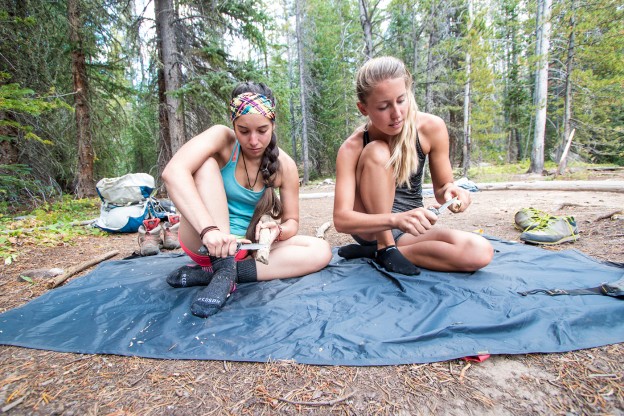
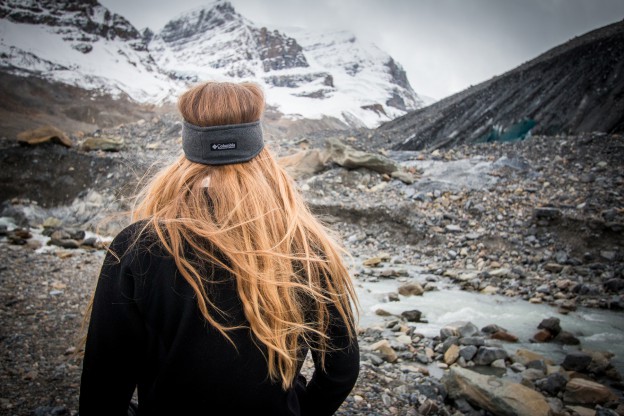
Though I also recently spent time in Spain, this particular article excludes the Spanish country. Perhaps I will create a separate recollection focusing exclusively on the full-bodied wines, the perfect waves, the lax culture and the Spanish lisp. Hopefully I don’t get in trouble for that one. I truly loved Spain, but that story is for another time. After spending a couple of weeks in Norway and about a month in France, I solidified this list of my top five favorite spots to which I intend to return. Remember, I am not a city girl; I love Mama Nature, so wherever she thrives, I follow.
Stavanger, Norway
Stavanger, Norway
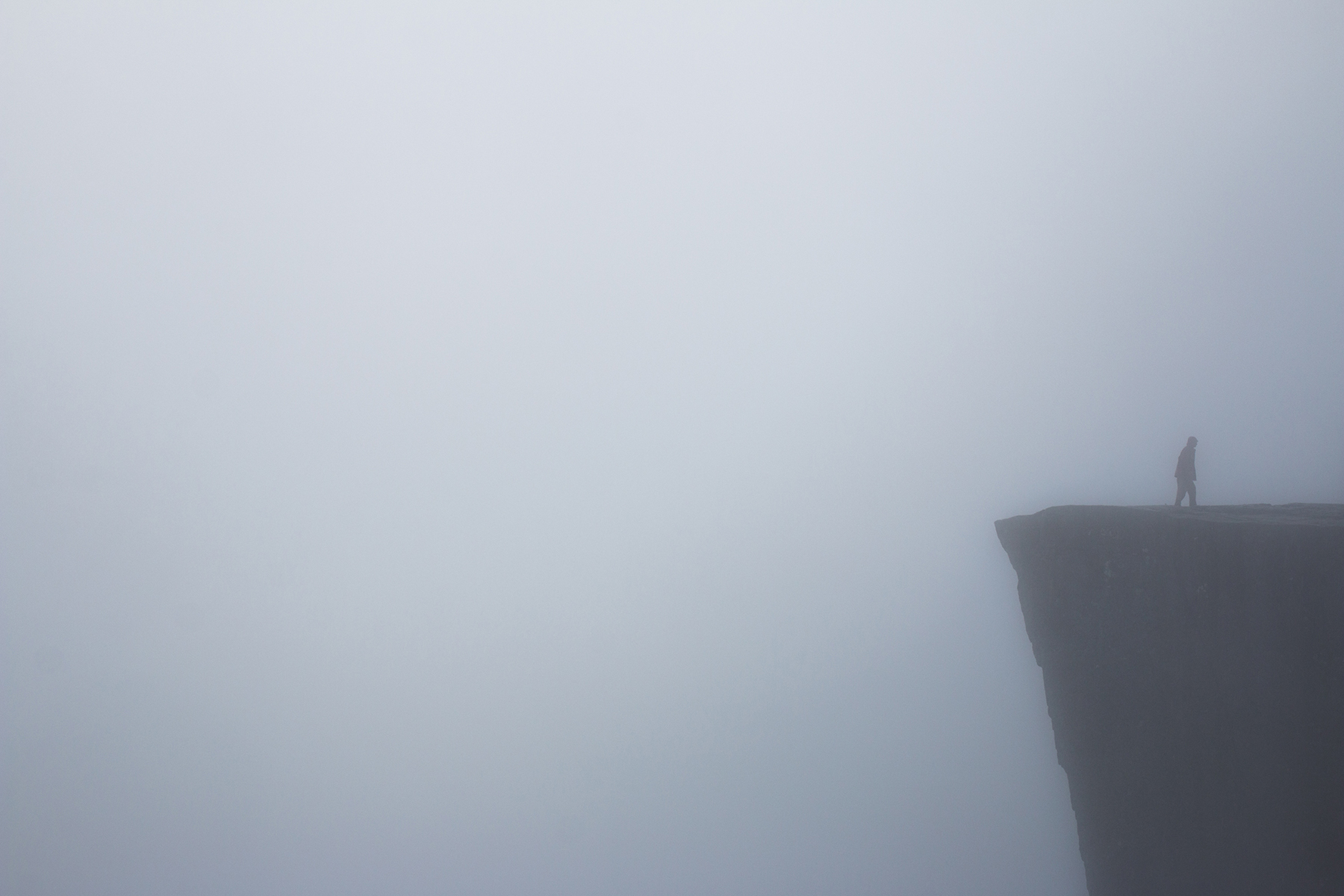
Toward the southern tip of Norway lies a moderately sized town by the name of Stavanger. We arrived in the gloom with a light rain falling; a typical summer day in the Norwegian fjords. The morning light had just begun to peek and the cobble streets laid bare. A wet breeze brushed our faces as we headed to the seemingly deserted ferry that would take us across the fjord to the area of Tau. After catching a bus in Tau, we arrived at the base of our hike: Pulpit Rock. When the skies are clear, the view from the top of Pulpit Rock is spectacular. When the fog is thick and soupy, the views are still spectacular. Bright green ferns romantically hang over steep granite, and the sound of trickling water tickles your ears while ascending the mountain. Pulpit Rock seemed like a dream, and arriving back in Stavanger proper to the cobbled roads and small shops was the perfect recovery from a day of hiking.
Honningsvag, Norway
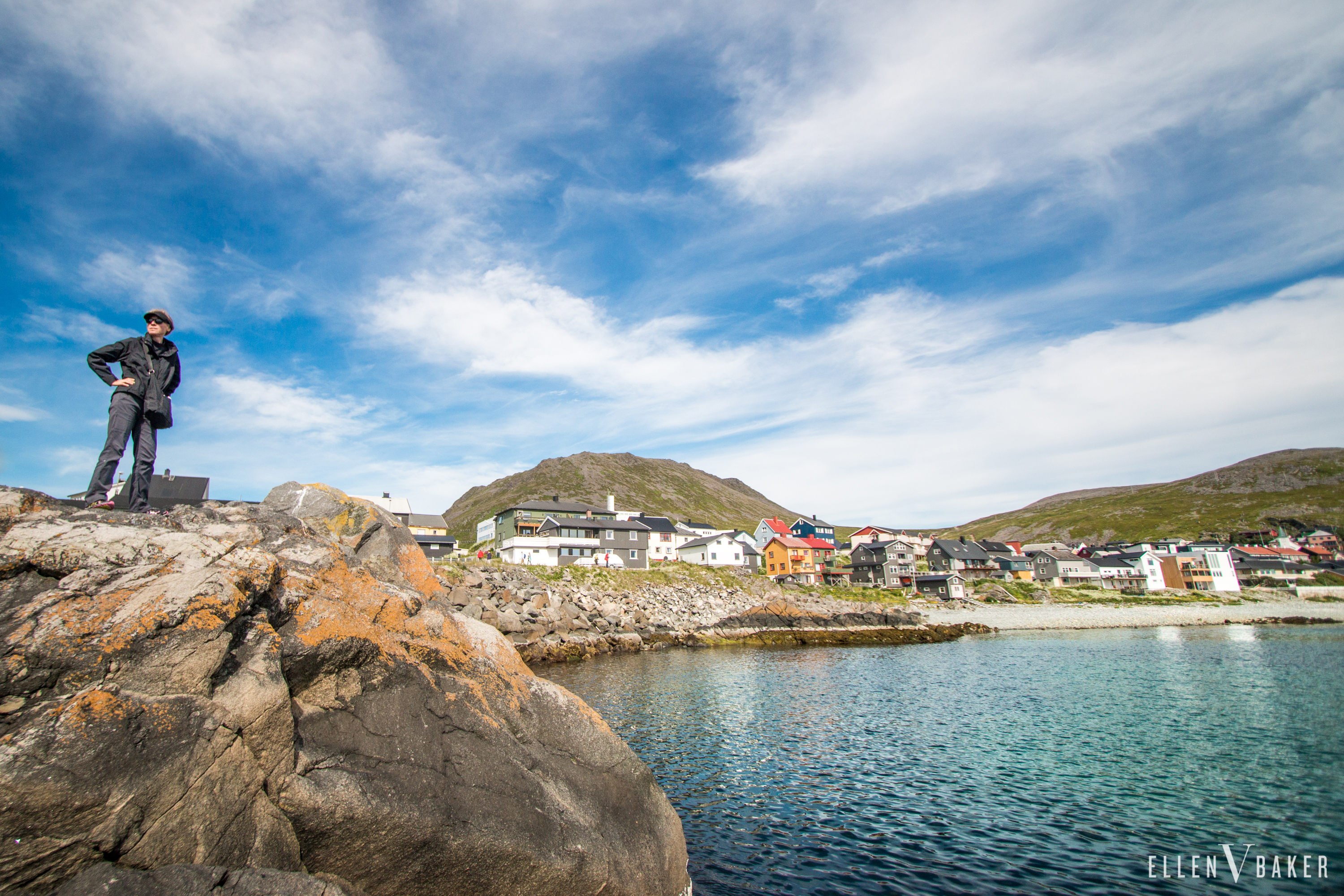
Honningsvag, Norway
Honningsvag, Norway
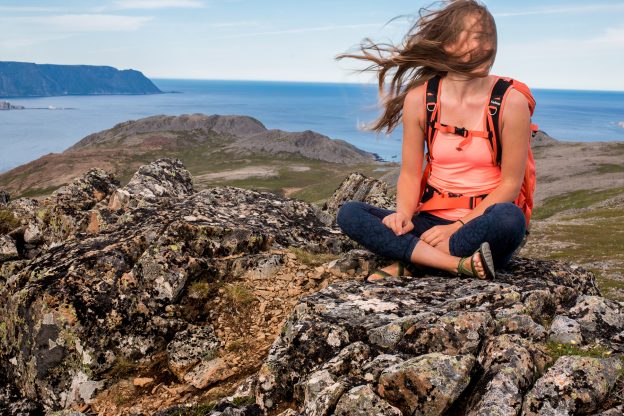
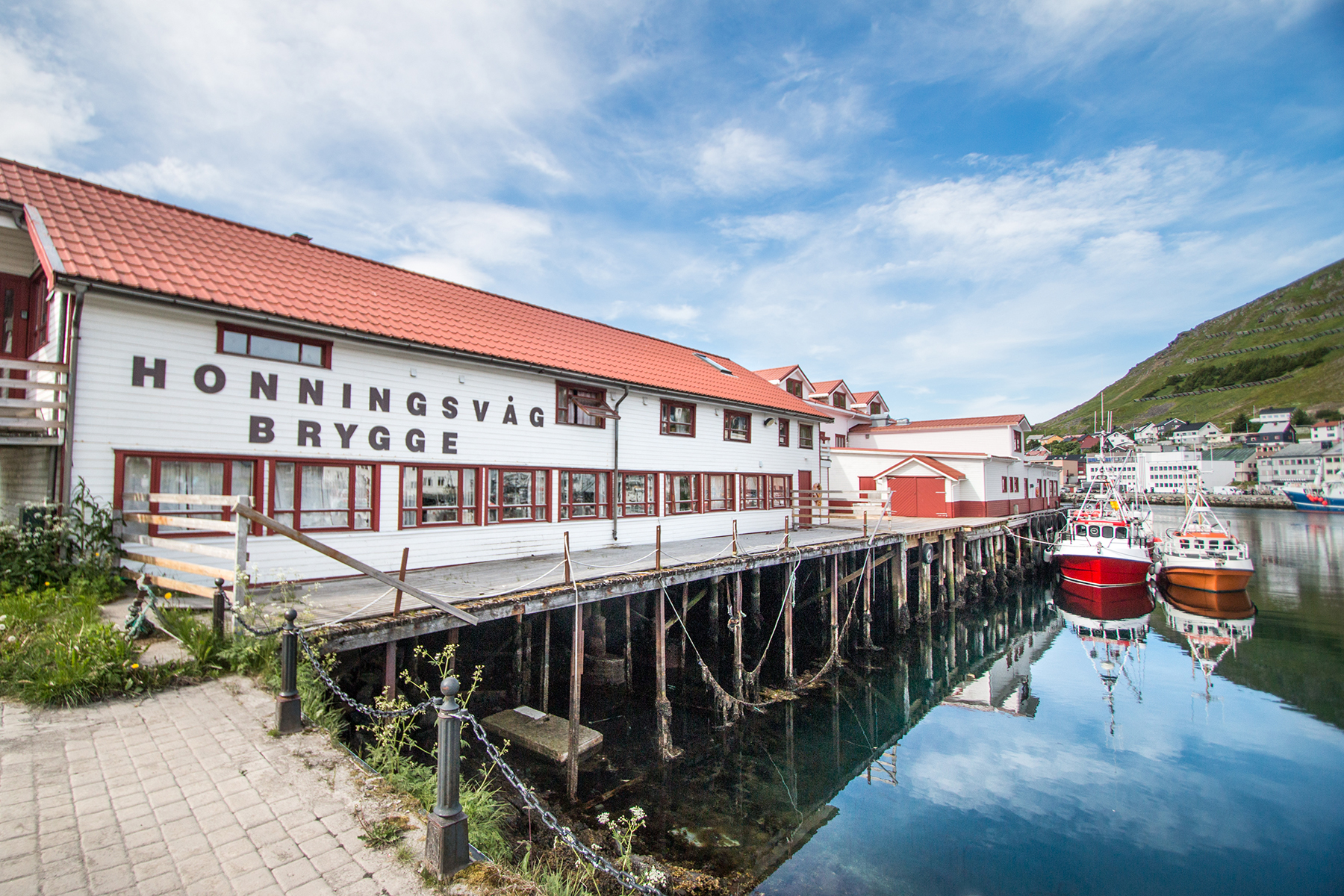
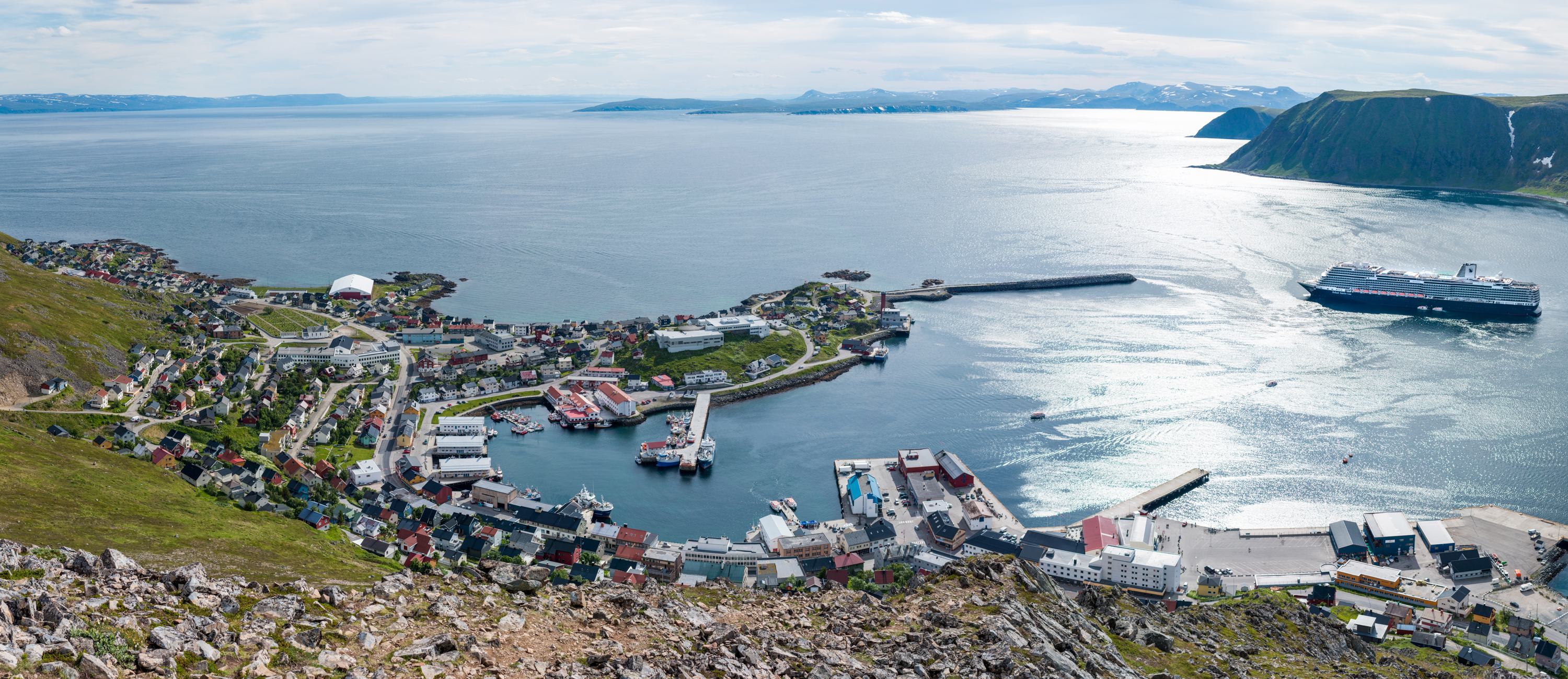
The most aesthetically pleasing of all the Norwegian towns where I visited, Honningsvag was not only the most colorful but it was also the warmest. The vast blue skies carried the sunshine down to the earth and the surrounding water, illuminating it in such a way so that every color popped. Red, blue, turquoise, yellow—I was astonished at the color palette of this small city. I spotted a small mountain that looked as though it had small trails meandering to the top, and, of course, I set out to investigate. Upon arriving at the summit, a small summit registry lay in a tube with a pen to sign, and the views of the city were mesmerizing. This was the last town I stopped at before arriving at North Cape, the northern most point of Europe. It is far, far, north, but is blessed with sunshine and beauty.
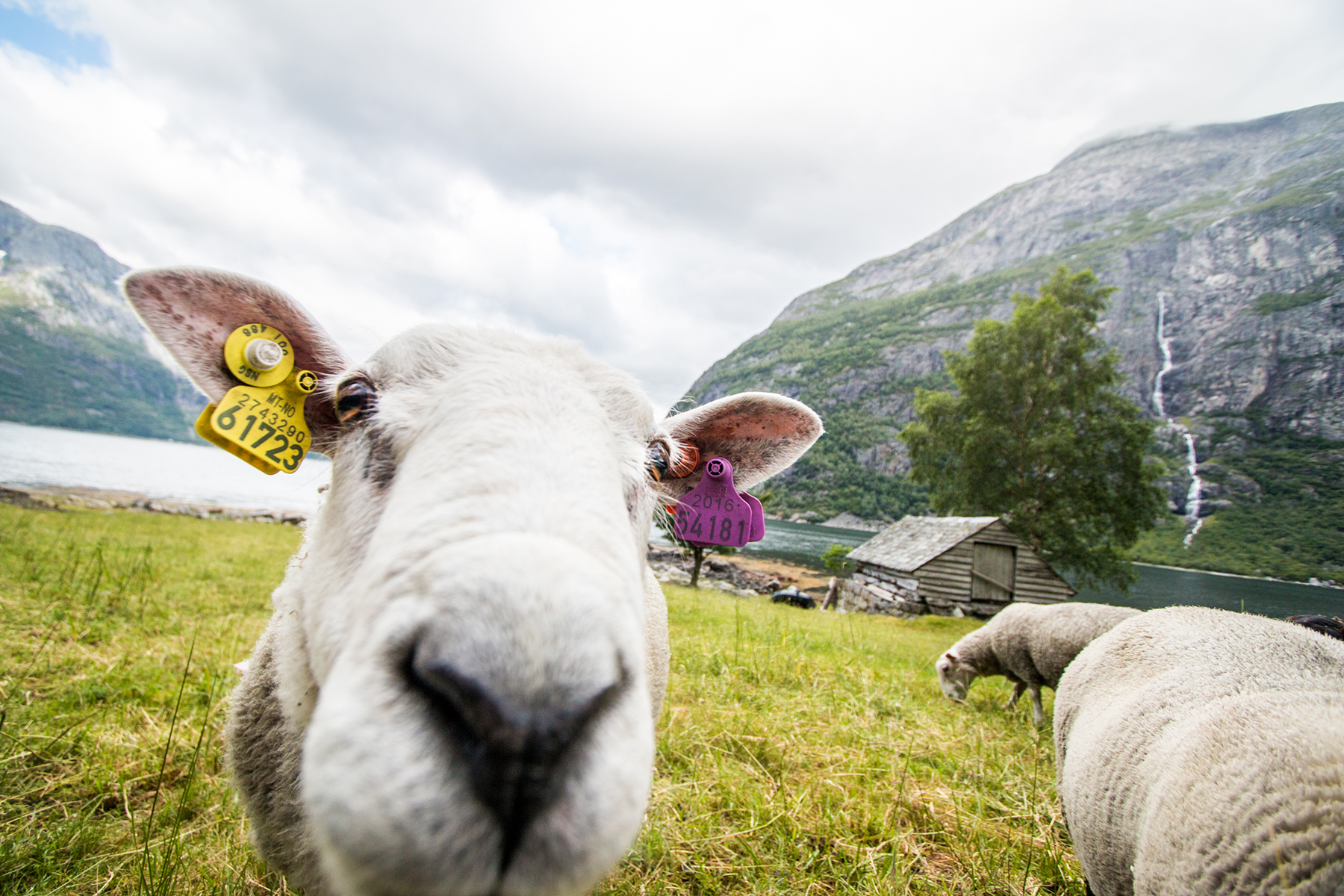
Eidfjord, Norway
Eidfjord, Norway
Eidfjord is a small, bright town with farms scattered among the hills. This is the place I was introduced to Norwegian cows, which are much thinner and smaller than any American cow I have encountered in my lifetime. Sheep roam the beaches of the calm fjord, and towering granite cliffs loom in all directions. The town is quiet with a church and a library. The highway that parallels the water is such that a meditative walk could be accomplished here with only a small possibility of encountering a car.
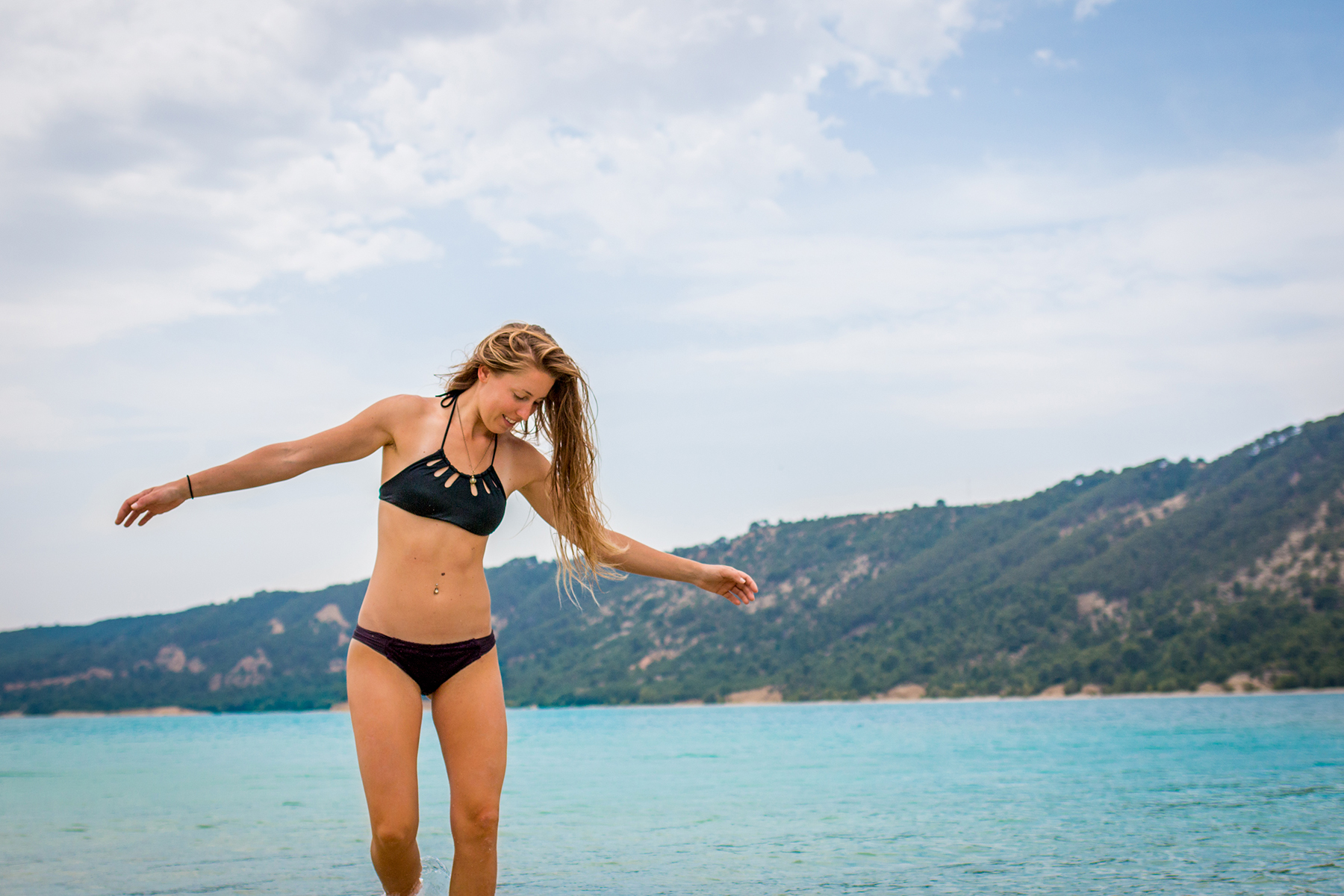
Gorge du Verdon, France
Gorge du Verdon, France
Mediterranean waters get all the credit for their turquoise hue, but what about the Verdon Gorge? Peering down a vertical cliff, the gorge, in all its wonder, shines bright turquoise waters right back up at you. The gorge flows into the Lac de Sainte-Croix, a large, warm lake deposited at the end of the limestone ravine.
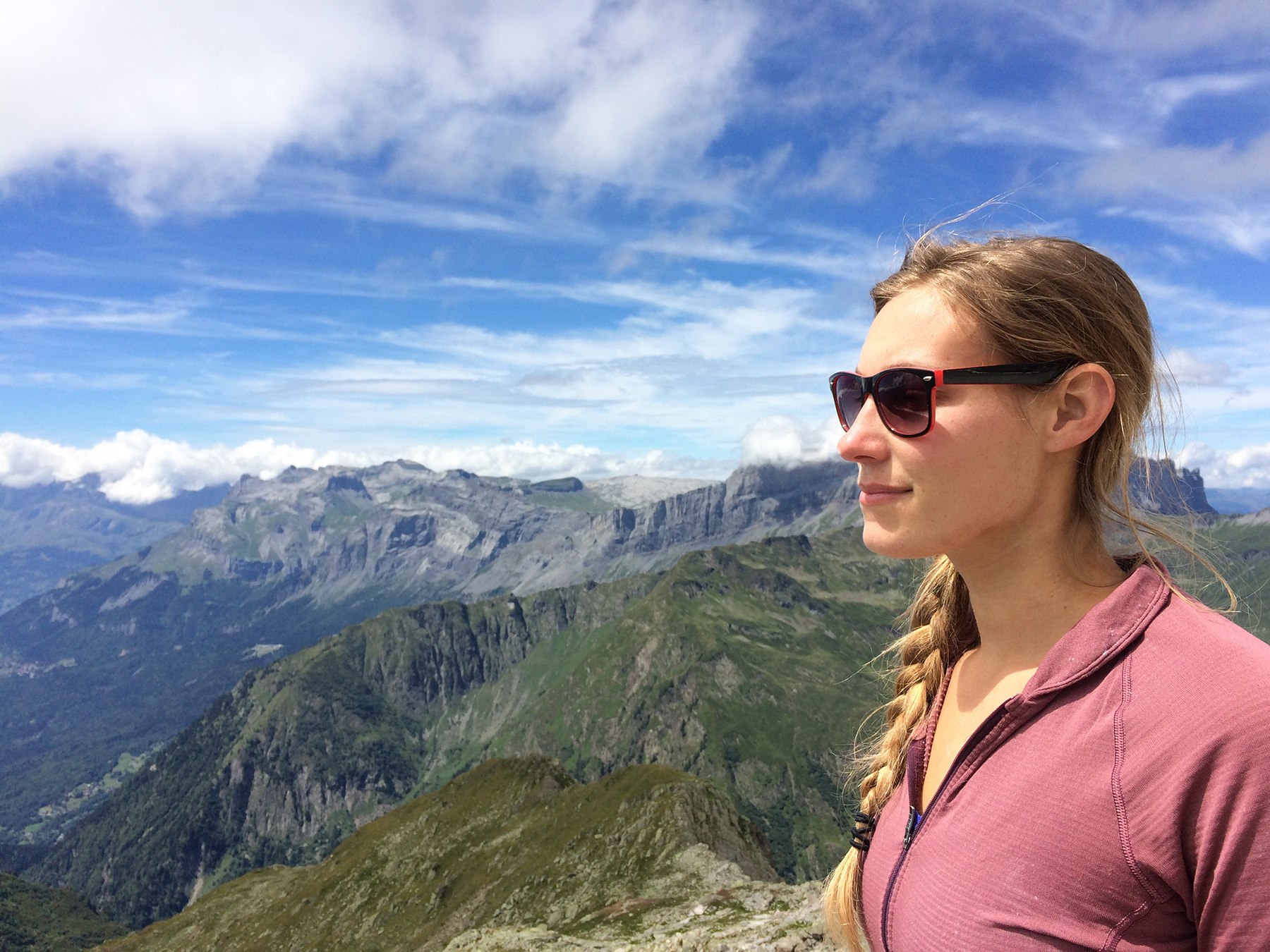
Chamonix, France
Chamonix, France
Perhaps a bit too touristy for most, Chamonix has its highs and lows. The crowds are (if I may) horrendous. The shops are expensive, as are the food and the drinks. Aside from these minor drawbacks, it is pretty simple to escape the crowds. The first article I wrote for Submerge talked about how to avoid crowds in Yosemite. Chamonix is similar. A few cable cars ascend the steep mountains and land their inhabitants at about 3,800 meters. Once at elevation, the availability for ditching the crowds is endless. Hiking, rock climbing, mountaineering or paragliding will almost immediately bring you to solace. The land is large, with glaciers, snow, rock faces and trails surrounding the valley. Finding a good location for a siesta is not a difficult task.
Ceuse, France climbing crag
Europe has so many beautiful locations to offer, I highly suggest packing your bags and getting a sense of the culture. I think Sacramento has room for improvement on the quality of bread, cheeses, wines and siestas.
**This piece first appeared in print on pages 10 – 11 of issue #248 (Sept. 11 – 25, 2017)**
Let’s keep this one a secret. It’s the best-kept secret that I have discovered recently and I am writing about it in a printed AND online publication—what’s wrong with me? Apparently I really have faith that you Submerge followers are some down-to-earth, cool fucking people. Let’s prove me right and not turn this place into a shit show like many of my favorite outdoor destinations have become. University Falls, I’m talking about you.
The weekend was fast-approaching and per usual, my bones ached for some sort of adventure. The forecast predicted rain in every inch of California. I spent endless minutes on my iPhone weather app typing in arbitrary California towns in search of clear skies for the weekend. Reaching a point of acceptance that it would be a wet weekend, a friend mentioned the desert in Southern California: Anza-Borrego. Clear skies. Done.
Anza-Borrego Desert State Park lies two hours northeast of San Diego; a long drive for us Sacramentans but a well-worth-it trip, even if only for a mere three-day weekend.
5 p.m. on Friday rolled around, and I threw my already packed bags (this, a rarity; a proud moment indeed) into the car. We didn’t make it all the way to the state park on Friday night but the five hour drive to Kern County was not all that bad. My faithful driver, who didn’t nap the entire way, might think otherwise. The following day consisted of a dip in the nearby hot spring, chats with the locals who built the hot spring 30 years ago and a few hour drive to the outskirts of the park. There also may have been a stop at an Irish bar off the highway (not so sure about the Irish part, but they were playing Irish music and called it Irish night).
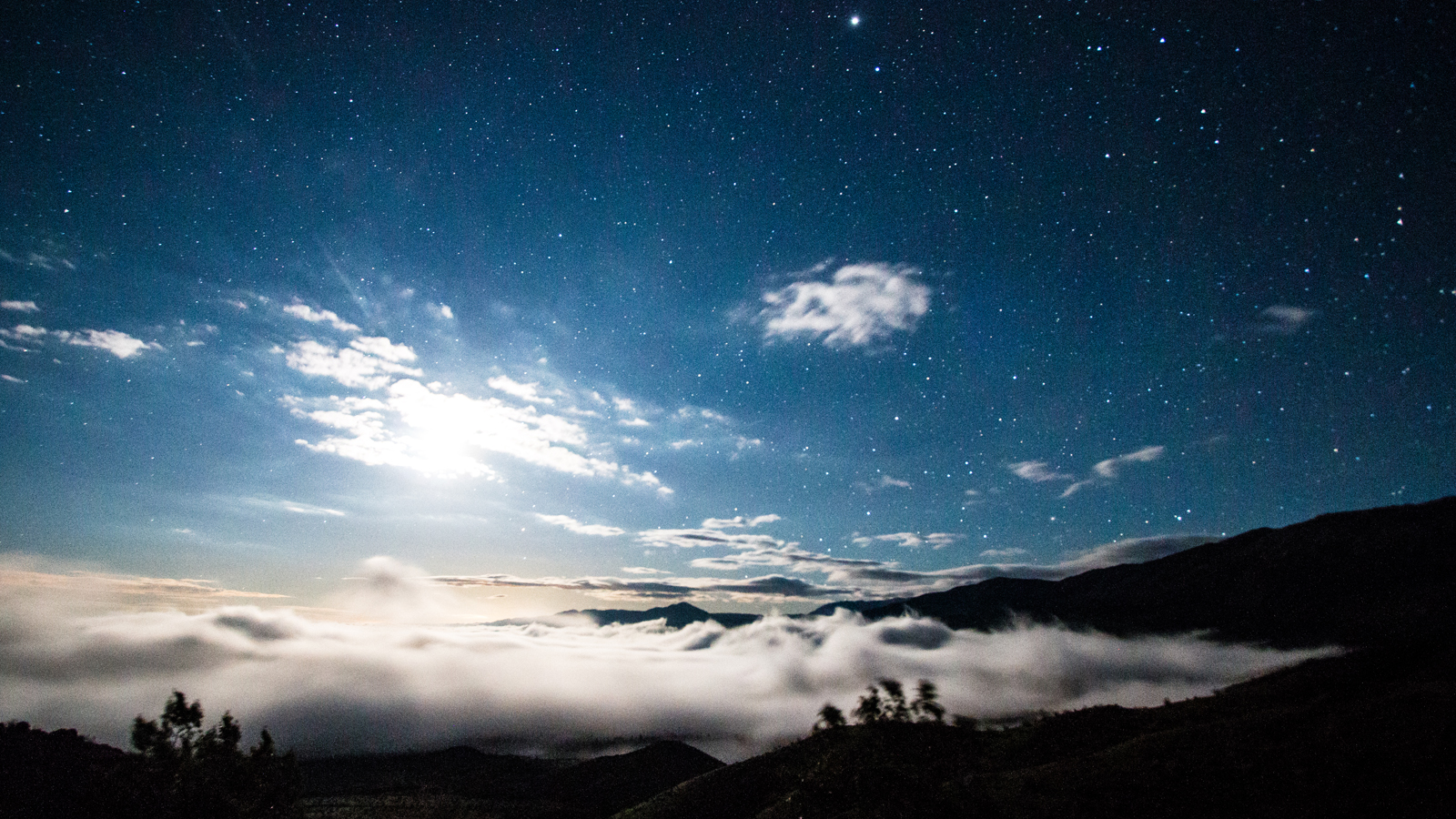
{A view from above the park at night}
I woke up Sunday morning to the sun beams peeking out from behind the clouds, illuminating the surrounding hills, blue skies beyond. Down the hill we ventured into the park. Prior to this trip I was quite excited because it was the weekend of free entry into all state parks. Turns out Anza-Borrego is always free. With hundreds of miles of dirt roads to adventure on, these roads are also open for camping. There are a few rules regarding where exactly you can camp, but free camping almost anywhere? Seriously? I’m sold.
Walking into the visitor center, which is located almost underground, every employee I spoke with was well-versed in the ins-and-outs of the park and even shared a few secrets of where to go to escape the crowds.
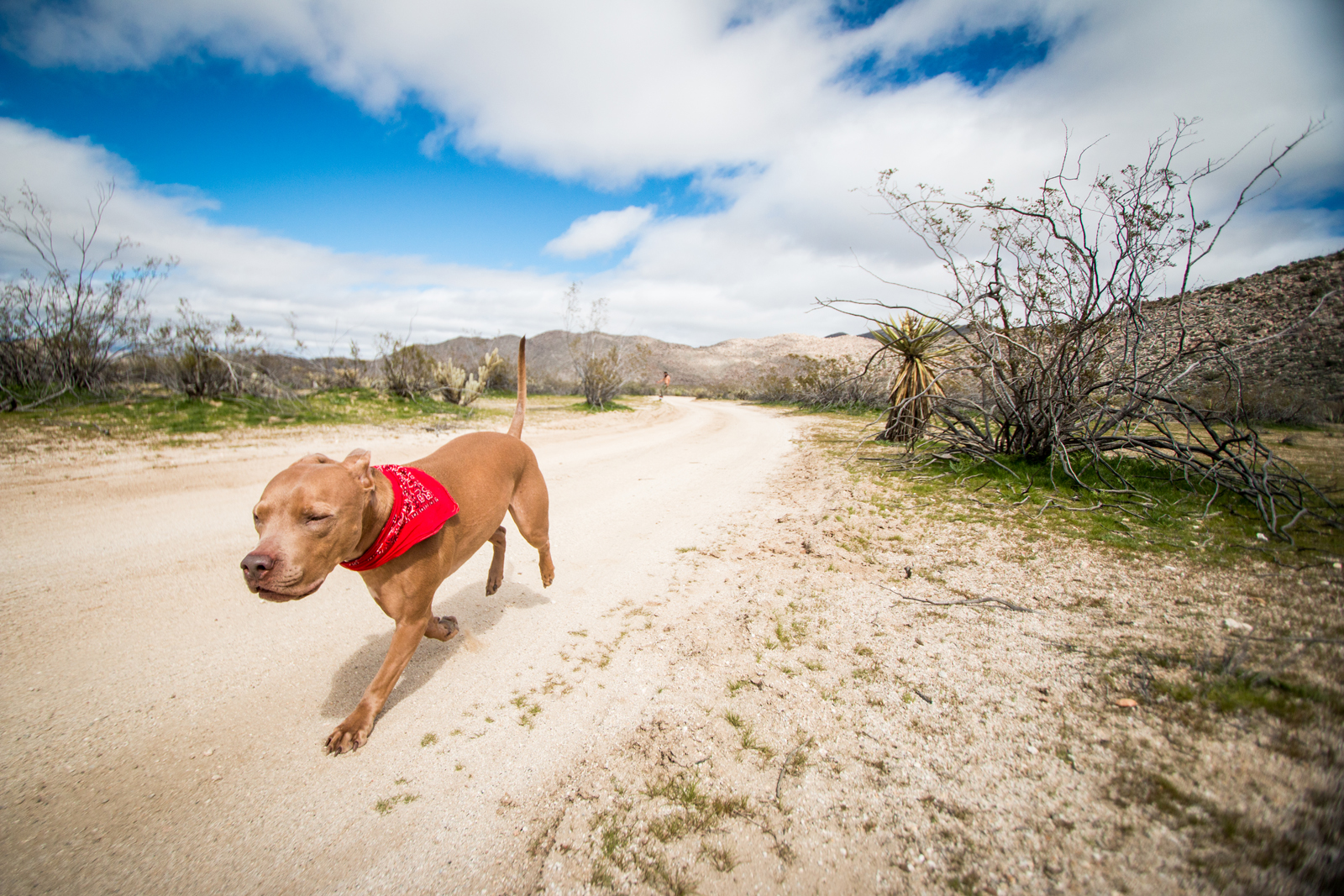
{Logan the Dog romping through the desert}
There are slot canyons (think 127 Hours), badlands and breathtaking wildflower blooms if you go during the right season, i.e., right now! I have never witnessed the wildflowers but I have heard incredible reviews and seen photos that look unreal. I may even make another trip down there just to see the flowers, like, this weekend. The endless miles of dirt roads are perfect for ATVs, bikes, hiking and just exploring on foot. If you’re not into any of these things, I’m pretty sure there is also a golf course somewhere nearby.
As far as national and state parks go, I approach them expecting crowds. Arriving at Anza-Borrego surprised me when the busiest place in the entire park was the visitor center bathroom. Whether your visit is extended or simply a long weekend, the park is spaced out on such a huge mass of land you could explore for weeks or just spend a full day in a slot canyon, bird watching or hiking through the badlands. The sunsets are absolutely mind blowing, and flashbacks from Jurassic Park may roll through your mind as you drive through valleys on the windy dirt roads. If you follow these dirt roads you can find petroglyphs and pictographs. I didn’t stay long enough to learn the difference between the two—let me know if you find out. Giant boulders are scattered about the desert and talus-filled cliffs loom over the roads. If you’re a cactus professional, you’ll like this place; I felt like I was on a different planet for the majority of my exploring. The flora is green from all the rain we have been having, the wildflowers are blooming, the skies are blue, the sunsets red, the people are few and the land is vast. Keep this one quiet and adventure on.
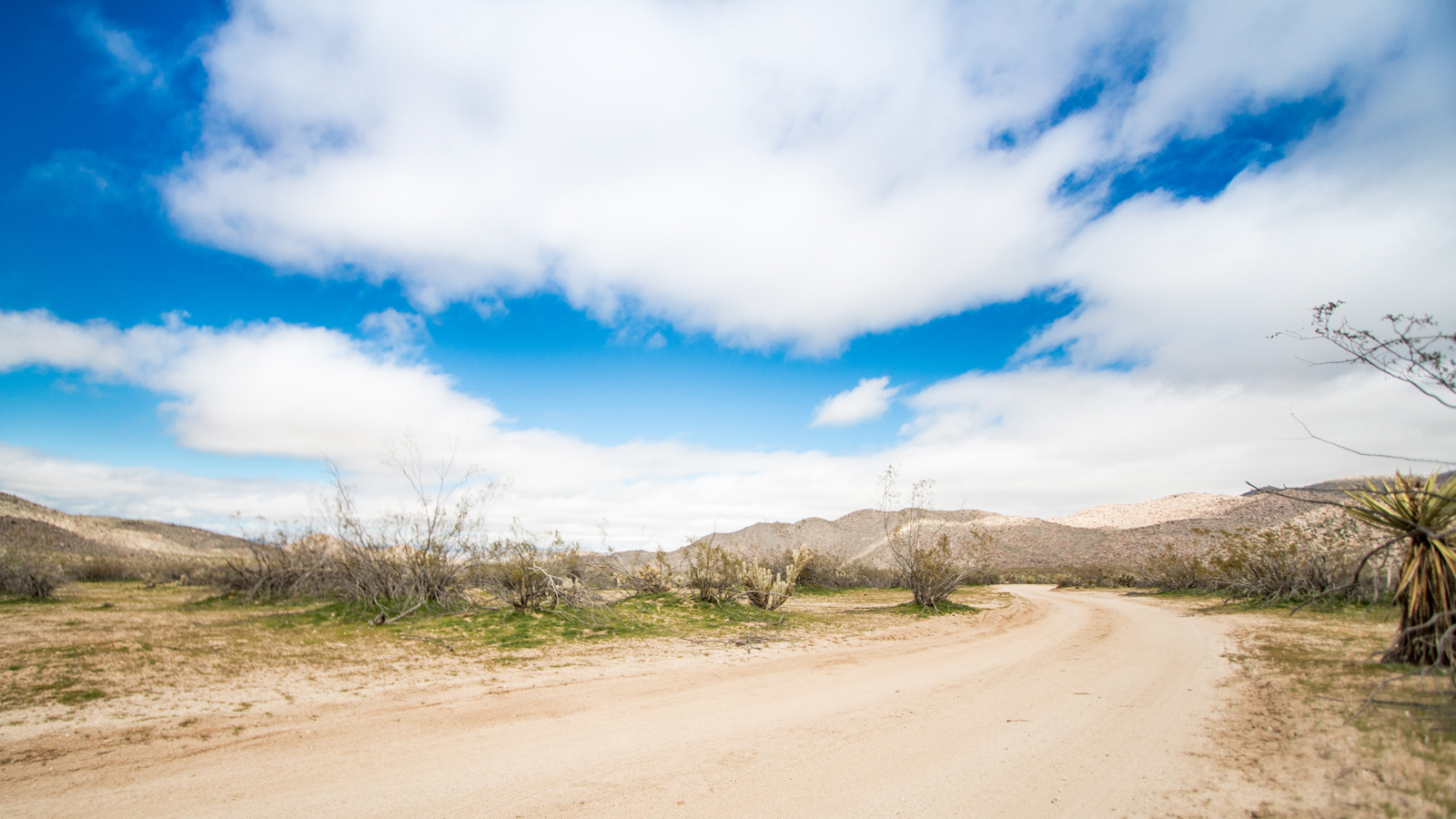
{Meandering dirt roads}
Adventure, whatever it is to you—hiking, skiing, surfing, SUPing, running, exploring, rock climbing—probably involves some sort of fear. I’m here to remind you that fear is a good thing.
The fire from within begins to creep out; you can feel the anger sweltering in your gut.
You’re mad, furious maybe. Why are you in this position? What decisions did you make to get to this horrible place? When will it end? How will it end? Is this the end?
Panic. You realize your heart is beating faster then you’ve ever felt before, which must mean something life-threatening is happening. It’s getting hard to breathe. You’re gripping tighter and tighter. Common sense is lost and anxiety has fully taken over your body.
Suddenly a moment of stillness. There is a realization that if you want to get out of this situation, you have to do something about it. No one else can help you. You must figure it out. Now.
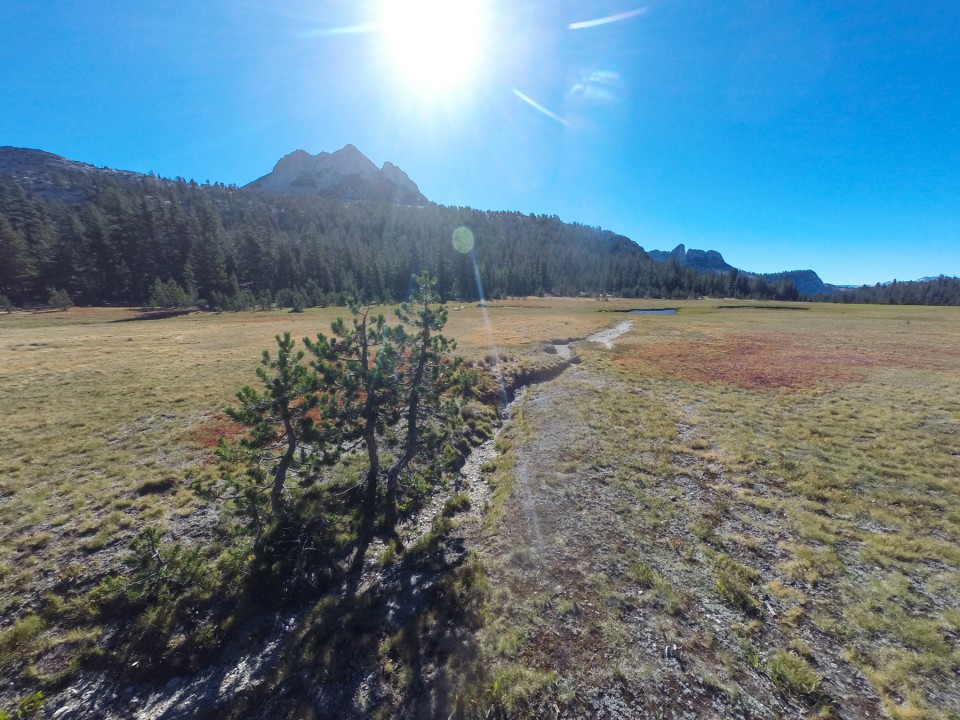
{The approach before the approach}
I sit on the back of my car as I write this, clouds gently moving across the sky. It looks like there is a storm rolling in. The valley that surrounds me is filled with massive rock formations and the talus that remains from obvious rockfalls looms below. I hear climbers chatting about the usual post-climb psyche. I wonder how their day was. A subtle buzz echoes from Highway 120; visitors are exiting the national park, maybe headed to the Mobile station or Nicely’s for some dinner.
The wind is picking up, the sky is darkening. I’m alone.
As a rock climber I’ve been told I’m crazy for the things I do. I’ve been called fearless, stupid, a risk taker, naive, crazy. Many people avoid fear. It is vulnerable, it is uncomfortable, it can be dangerous, but it can also be life changing. I am many things, but fearless is not one.
I write this ode to fear to remind myself and my readers, that fear is necessary. Fear forces us to grow, to learn, to become stronger—mentally and physically. Those that avoid fearful situations are fearful of fear. Fearful of what may happen; scared to live and push their boundaries.
For a month, I had been stressing about one particular rock climb. It was exposed, the approach was long and every day my fingers maniacally typed, searching for the most dismal news about said climb. I found out about a man who had died on it two years prior and I retreated deeper and deeper into my head, where every negative thought flooded my perception. I was overtaken by fear. The psyche I had two months ago was diminished.
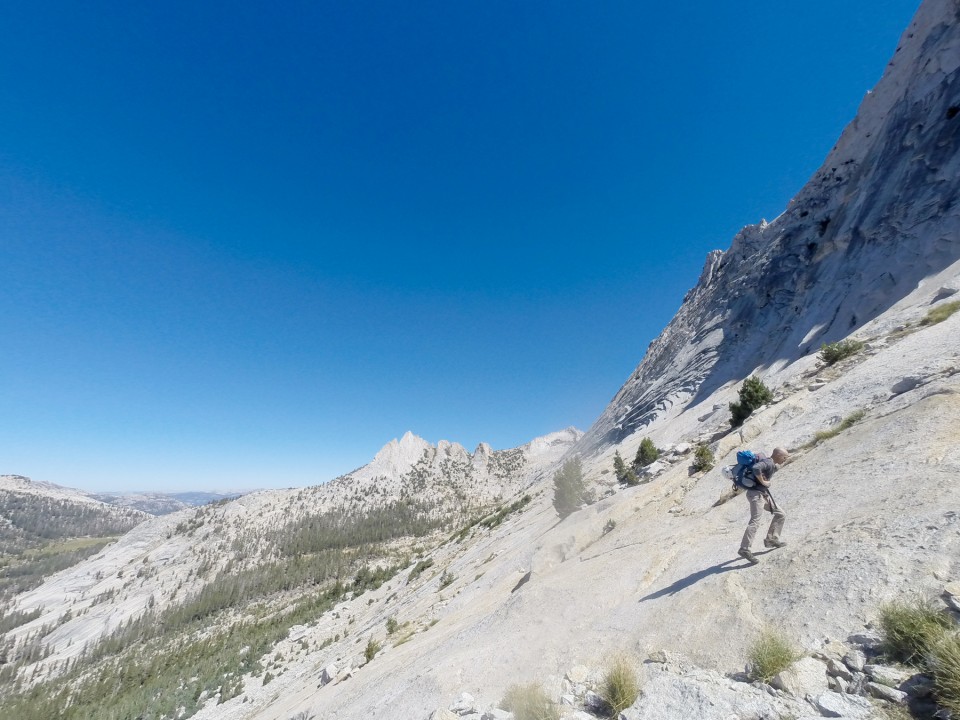
{The approach}
It was the week prior to my departure date and I was hit by a car. It’s fate, I thought. Even the universe is trying to tell me not to go do this climb. The weekend came and I was a bundle of emotions. I was crying, anger was seeping out of my veins and I had officially let fear take over my being. I didn’t do the climb.
The following weekend came around and I had relaxed a little. I was still nervous but this was something I had wanted to achieve for a long time. Once I was on the climb, my psyche was back. I was so excited, I wanted to run up the mountain. It was so much easier than I had anticipated. I couldn’t stop smiling and even when I got fearful of a situation I was in, I took a breath and kept moving forward. Sixteen hours later I arrived back at camp. It was one of my favorite climbs I had ever accomplished. I shed tears, I yelled at friends, I was dehydrated and scared, but the moments of euphoria (along with a view from 11,000 feet above) was worth every aching, fearful pain I had.
I’m inside the car now. The wind has picked up, the temperatures have dropped, the sun went down and I’m still alone. I turn the car on every now and then to blast the heater, turn it off and it’s immediately cold again. I was to meet two friends here at 6 p.m. It’s 9:15 and still no sign of them. My fear is building; I am not fearless.
End note: I know of many who have died pursuing their dream, especially in adventure, pushing through fear to the end. Every one of us will eventually pass but until that time comes, we have the ability to live as fully, as fearfully and as happily as we can.
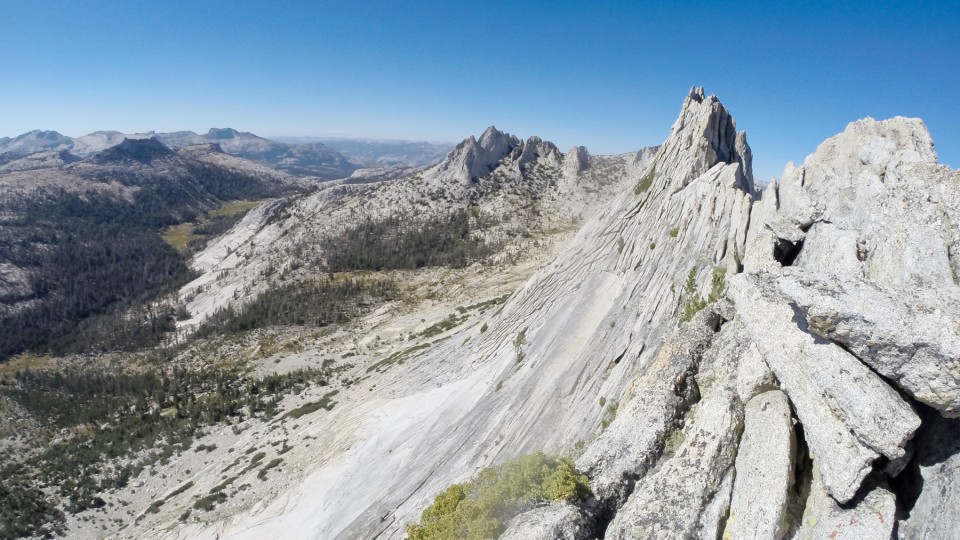
{Looking down over Yosemite National Park}
Working as my own boss sometimes includes weekends glued to the computer—writing, editing, internet surfing … when all of a sudden I glance at the upper right hand side of the computer screen and realize it’s 5 p.m. on a Saturday. What have I done? I haven’t seen the sun today and as I browse through Instagram and I see my friends relaxing on rafts, sipping wine and exploring cool waterfalls, I realize I’m doing something wrong.
I don’t need Wi-Fi for most of my work, so why always be connected? So, I introduce to you my mini series I’m calling, “Office Anywhere.” This week’s focus: the Marin Headlands.
As a side note, you do not just have to go here to work. It is a beautiful place that can be explored for hours on end.
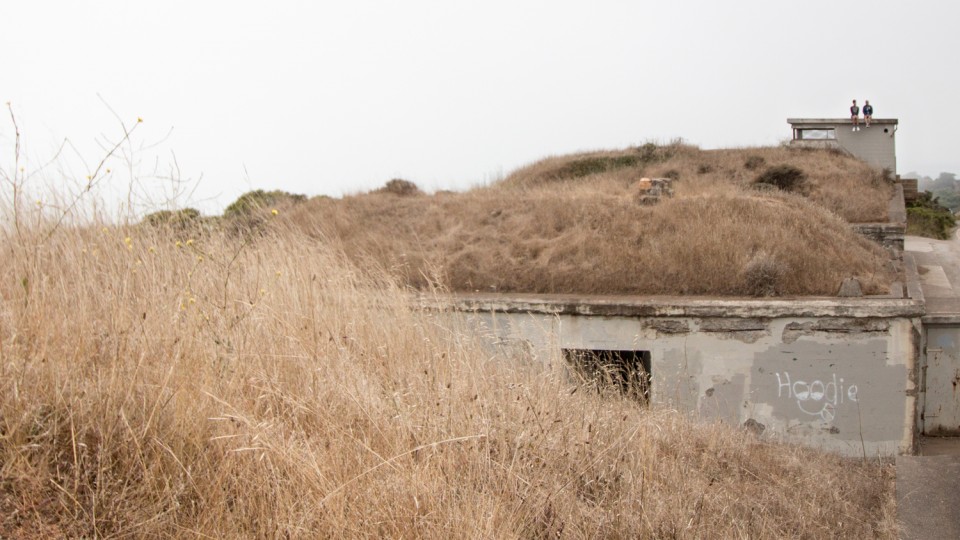
{Two boys sitting atop Battery Rathbone McIndoe}
Well-known Sacramento photographer Nicholas Wray and lesser-known Sacramento photographer, myself, decided we had enough of urban, coffee shop work days, day after day after day. Nick recently invested in a pimped-out, ultra-hipster, dirtbag climber van, equipped with lighting and electricity powered by solar panels—perfect for plugging in a laptop on the road. So, on Thursday we headed for the coast in search of a better work space.
We spent the first two days in one of my favorite little coastal towns (if I told you the name of it, I would have to kill you. It’s a well-kept secret that will stay well-kept with me, at least for now), parked next to the beach, opened all the doors and started up shop. Surely, folks who walked by scoffed at the fact that we were on our laptops instead of experiencing the scenery, but we were experiencing the scenery, also while getting work done.
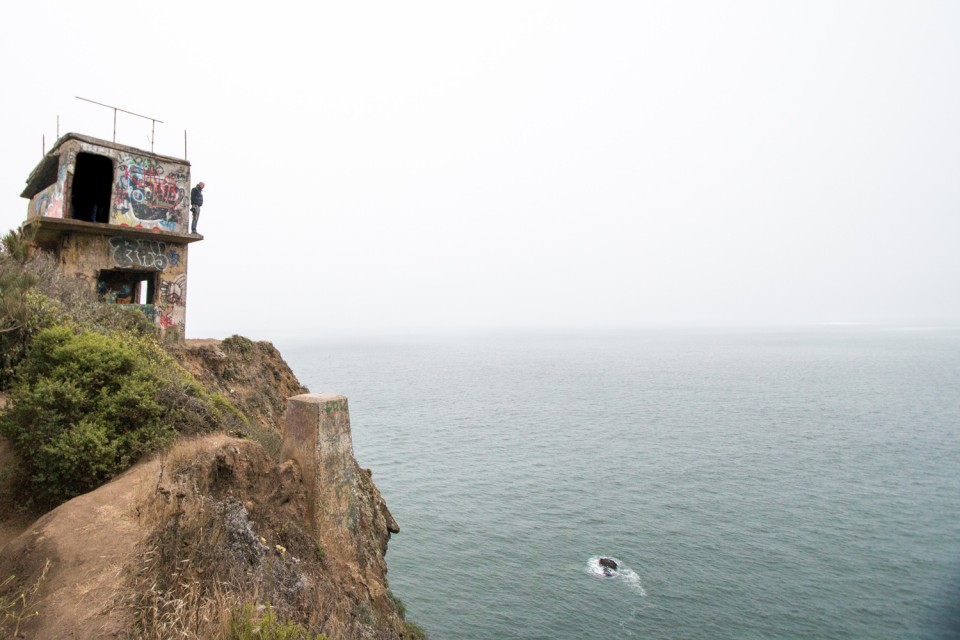
{Battery Mendell}
On Saturday we grabbed breakfast after hanging out with our new Aussie friend who was exploring California on a motorcycle and headed toward the Marin Headlands. All I really knew about the the headlands was the over-populated lookout point providing a view of the Golden Gate Bridge and the city. Passing that, we headed down the road, further and further; no semis allowed. The road was steep and windy and the fog weaved in and out of the trees surrounding us. As we continued to drive we came across old buildings, tunnels and cement forts peeking out from behind the fog.
Continuing down the road did not cease to amaze—surrounded by peninsulas with violent waves crashing on the giant coastal boulders, little trails leading to abandoned fortresses overlooking the ocean or buried under the earth and giant buildings at the bottom of the hill that looked like something out of the movie, The Grand Budapest Hotel.
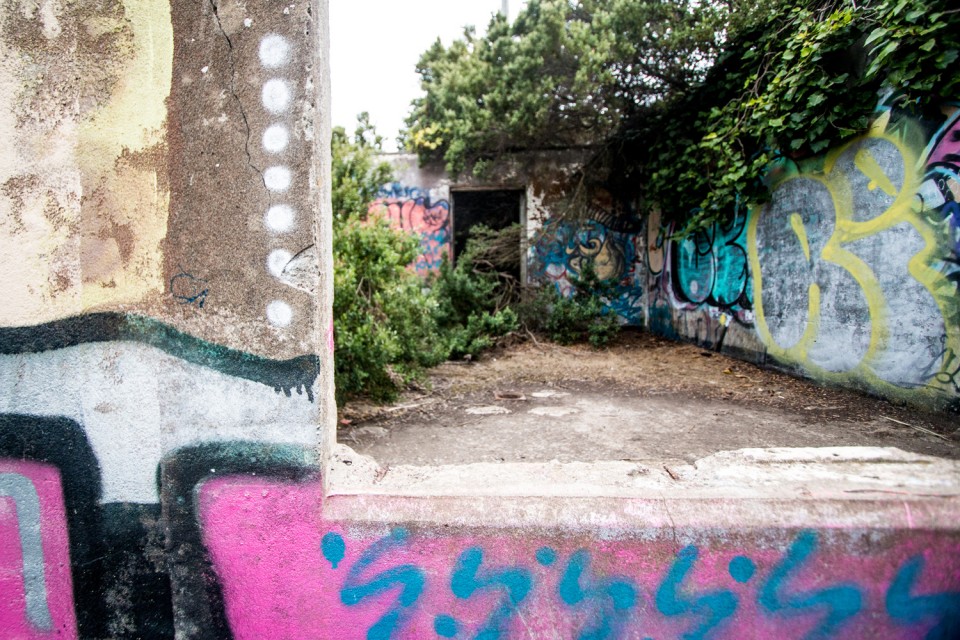
{Battery Wallace #2}
Here is a list of things to do and see there. Some of these I experienced, but many I need to go back for:
Hawk Hill (aka Battery 129), a historic military site with tunnels, gun pits and supposedly great bird watching, but all I saw was bright white fog.
Just down the road and to the left, a trail down to Black Sands Beach. Unfortunately I found out about this one after the trip.
Battery Mendell: My favorite part of this one was the smaller fort up the hill. We stood on the balcony of the old deserted fort looking out over large cliffs to the Pacific Ocean (er … Gulf of the Farallones—gotta get to the Farallon Islands one day).
Obviously, the Point Bonita Lighthouse. Though, I will say this was the most touristy of all our adventures and although beautiful, not my favorite stop.
Walking into the Marin Headlands Hostel, the pleasant aroma from organic, homemade dinners floated throughout the high ceilings of the kitchen. We didn’t stay here, but I’m definitely going back for this one. Must book in advance.
Finally, you must head to Rodeo Beach for either a morning surf session or simply to be in awe of the beauty of the sea. The coastal trail just at the end of the road is a nice, easy hike that provides views of the ocean … maybe a little too close to the edge of the cliff.
After a day of exploring we parked the van down at Rodeo Beach for some dinner and work. Opening the backdoors to the moist fog air and listening to the sound of the small pebbles move with every crashing wave, was, well, the best office I’ve ever had.
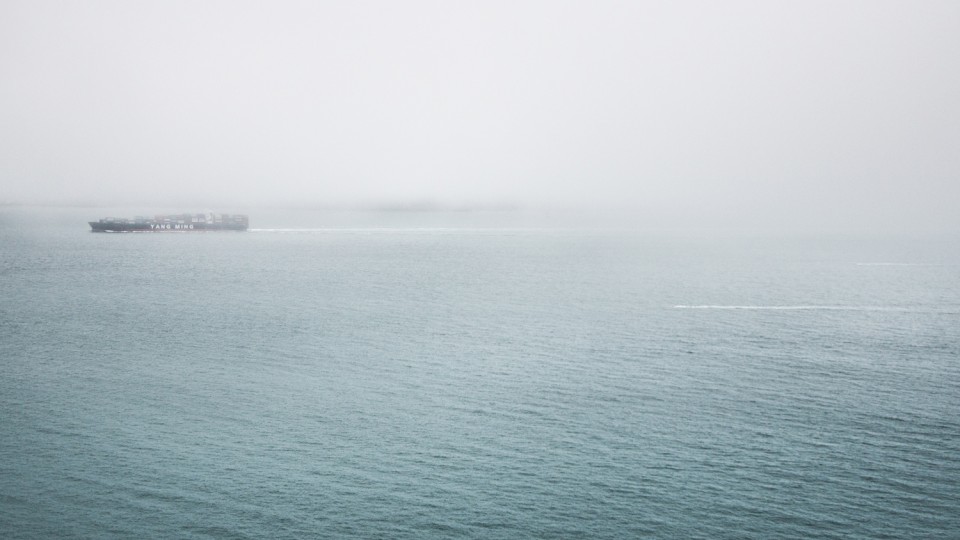
{Battery Mendell lookout}
Mustaches, man buns, beards (really, just hair in general), flannels, iPhones, Instagram, Snapchat, craft beer, selfie sticks, high-waisted pants, raw denim, wayfarers, GoPros, tattoos, all things gluten-free, road trips, traveling, and my favorite; the outdoors. What do these things all have in common? Millennials, hipsters and the trends of the current decade. Like it or not, the youth of today has taken pieces of history and molded them to fit into a “new” lifestyle.
This “new” lifestyle encourages everyone to “get outside,” even though that might mean carrying a selfie stick to document your every step. Regardless, people are getting into nature and hopefully, taking away from it a better sense of well being … or something like that.
No longer are the days of people saying “I wish I could do that” to rock climbers, skiers, hikers, base jumpers, slackliners, canyoneers (thank you, 127 hours), trail runners, surfers, sky divers and backpackers. Thanks to all the easily accessible gyms, slopes, rentals, guides and blogs, pretty much anyone can do anything relatively easily today, as long as you own a Subaru.
As an avid rock climber and outdoor enthusiast, I spend a lot of time in nature. I have spent weeks-on-end in a tent and have slept under the stars on countless occasions but until last summer I had never hiked for over a week in the backcountry—with no accessible toilets, only a topo map as a guide—just myself, my partner, our backpacks and the great outdoors. We backpacked for seven days and through our novice experience, I am here to drop some knowledge about what I learned and how you can avoid all of the things I did wrong on your next backpacking trip. And so it begins:
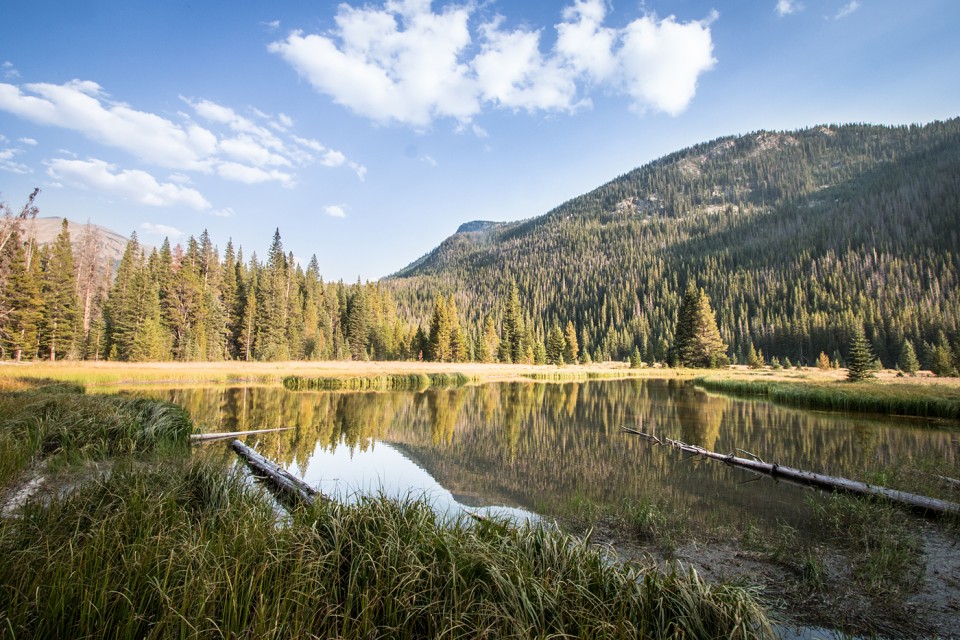
Lesson #1: Bring more than enough food.
You WILL need/want it.
Breakfast, check. Dinner, check. Water, check.
“All we need are a few snacks and we’re good to go!”
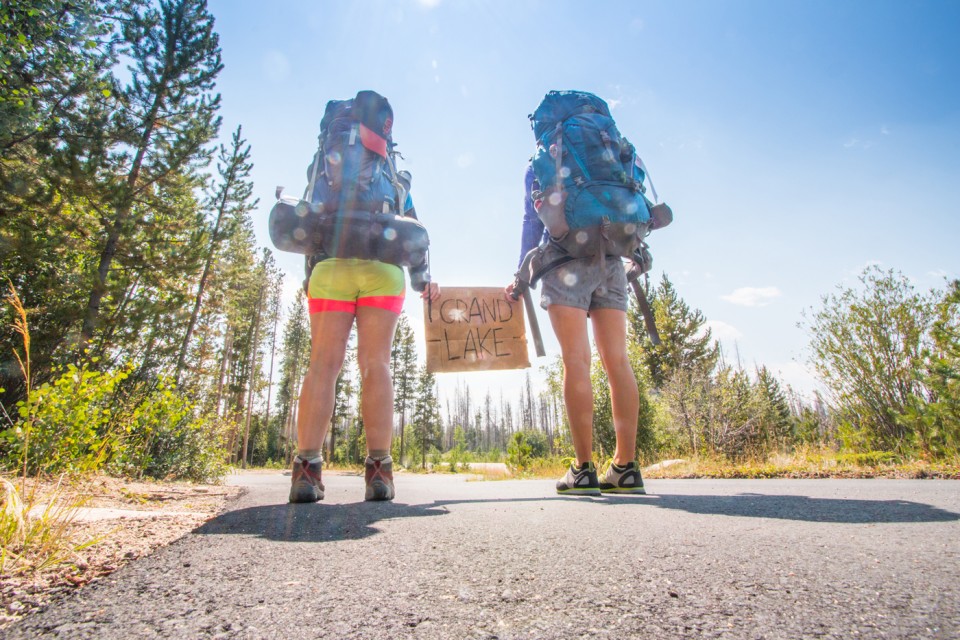
Michelle and I packed our backpacks and headed to Boulder, Colorado, in search of some mountains. We planned to hike along the Continental Divide Trail in Rocky Mountain National Park for seven days.
We had two days in Boulder to adapt to elevation and make sure we had everything we needed for the backcountry.
“One box of Clif bars, two bags of trail mix … Where is the beef jerky!?? Ahhh … Here it is, one bag. Perfect.”
Let me start off by saying, there are seven Clif bars in a box. We planned to be in the backcountry for seven days, so that’s perfect, right? Wrong. If you are counting for two people, that’s completely wrong.
So, for every food item we had, we had enough for one person. I’m still not quite sure if this was just a simple lapse in judgement, or the most “blonde” moment of my (our) lives, but it happened, and once we were on the trail making breakfast, we realized what we had done. We split every meal and rationed out the trail mix, peanut by peanut, almond by almond.
On average, we were eating 690 calories a day, hiking anywhere from 5–14 miles a day. That is just not enough sustenance.
Moral of the story, I will never, ever, ever, miscalculate my food allotment again, and will probably always have some food to share. We were hungry, determined girls attempting to catch fish, find pine cones and roast squirrels, but unfortunately, fires were not permitted. You learn a lot about yourself when you’re hungry and tired, but having the right company can make all the difference.
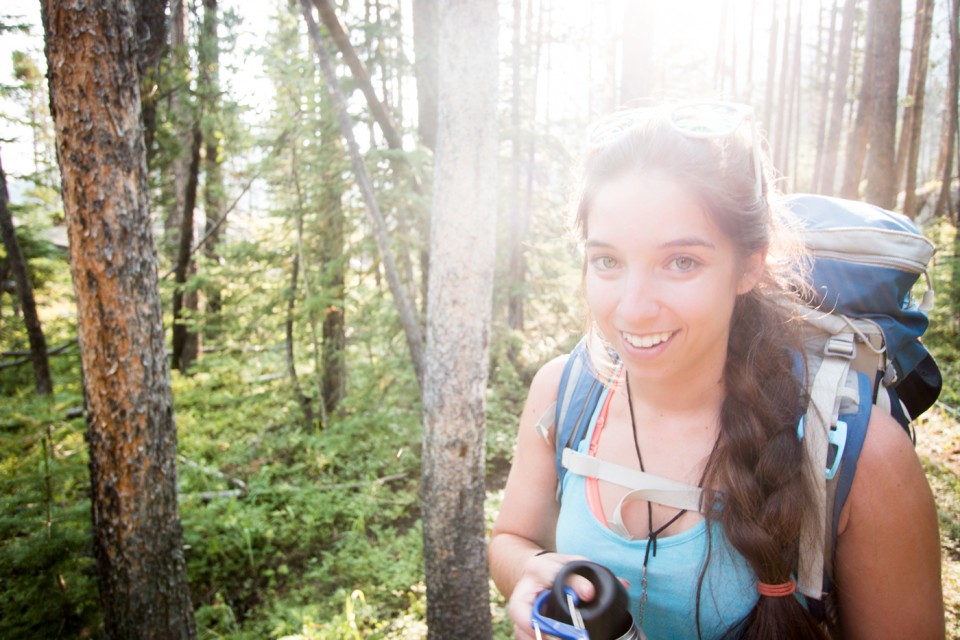
My friend Michelle Diaz.
Lesson #2: Pack light, seriously …
Even though we seriously miscalculated our rations, every day that passed was 690 calories less to carry, and boy did it feel amazing. If you have something in your pack you don’t NEED to stay alive, leave it behind.
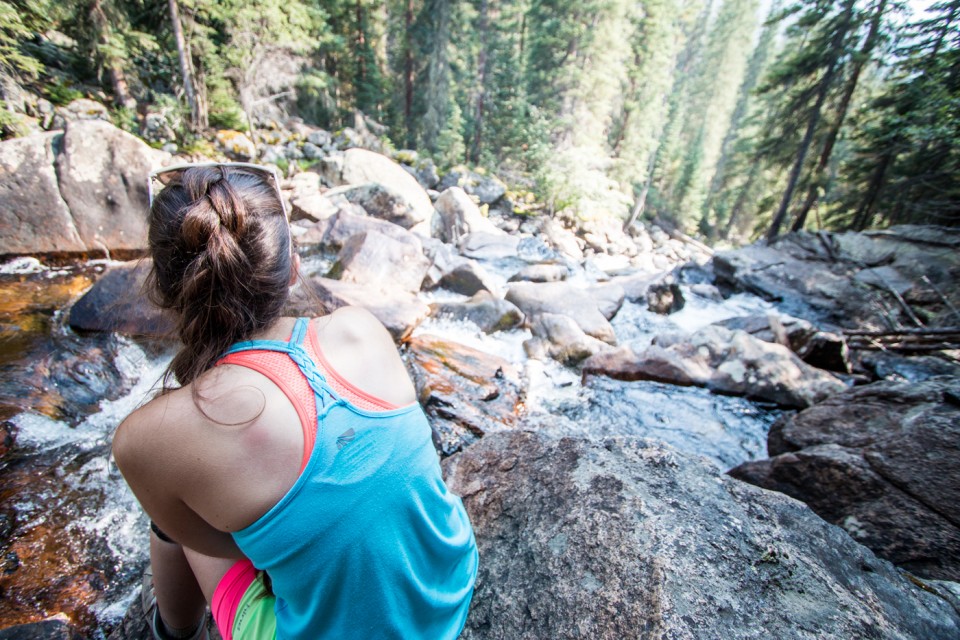
Lesson #3: Don’t have expectations.
The trail began to feel easier, and I was feeling great when we reached the summit. All of a sudden, the winds picked up. We were literally blown off of our feet, it was hard to breathe, I couldn’t open my eyes and my happy-go-lucky vibe had completely vanished. I was over it. I wanted off the mountain.
The most important thing: Mother nature knows no boundaries. The minute you feel safe might be the same minute you lose your life by the slip of a foot. Take caution, care for the earth and come out of the wilderness with a new perspective.
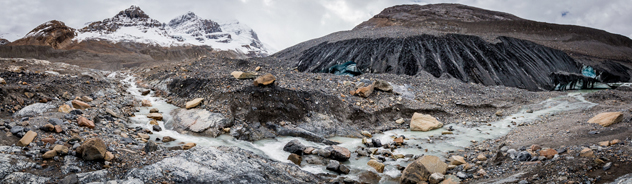
Every Sacramento winter I’ve experienced has been tolerable. We don’t get snow, it rarely drops below 35 degrees and sometimes I feel like taking a walk in shorts and a T-shirt on an especially non-wintery day. This winter feels different. Pulling out of my driveway this morning, the thermometer read 23 degrees, and I couldn’t see my neighbors house because of all the fog. I love winter, but I hate being cold. I’m all about being cozy in a blizzard and looking like a marshmallow to stay warm. Here’s how I stay comfortable when the weather is not.
The sun begins to set and all of a sudden chilled winds at unfathomable speeds rush past my face as my nose begins to freeze. I’m setting up my tent in the Eastern Sierras, and it’s cold. I grab a borrowed puffy, my 5-year-old beanie and gloves without finger tips and start to realize why I live in Sacramento; usually, we can go through winter with jeans and a sweatshirt—no big deal. This is not a one time occurrence for me. I’ve experienced this same trip over a dozen times but have finally learned how to overcome freezing temperatures. Follow these guidelines for surviving in sub-Sacramento weather, and you’ll be a happy camper from here on out.
Hand warmers. If you didn’t already know that, good luck to you on all your outdoor adventures. Stick ‘em in the bottom of your sleeping bag when or before you go to sleep and you’ll be in heaven for the rest of the night … Or for the next eight hours at least. I always end up getting Grabber Warmers from REI, but I recently found out you can really get these anywhere—even at The Dollar Store.
Too cheap for hand warmers? Boil hot water in whatever nifty stove you have, be it a Jetboil, a 19-year-old MSR WhisperLite or a camper van stove because you like to go glamping. Put the hot water into your water bottle and throw that in the bottom of your sleeping bag. Works like a charm.
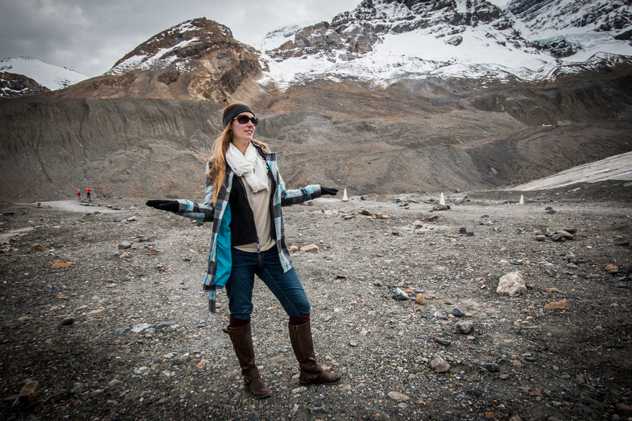
Bring something to cover your face. Balaclava, buff, scarf, towel, I don’t care, but cover your face. Last New Year’s Eve I was rock climbing in Red Rock, near Las Vegas and it was cold. I wanted to cry because it was so cold, but I didn’t want my tears freezing onto my face. I was offered a buff (pretty much just a hat for your face) and it changed my life. All that warm breath I was expelling now stayed right next to my face. I even had to take it off a few times because it got too warm. Buff … go get one.
When in doubt, sake. Grab a bottle of sake from the store and light up that stove you used earlier. Hot sake on a snowy night will make you the happiest and most popular camper around.
Camp somewhere you can have a fire. Unless you’re a hardcore alpinist, it’s not worth it to sit in a circle with your friends around a bunch of rocks and no fire. Figure out where you’re allowed to build a fire pit and go there.
Get your snuggle on. If you have a significant other, cuddle buddy, friend or even a pet who you’re camping with, zip the two sleeping bags together and get some body heat going—this will change your world.
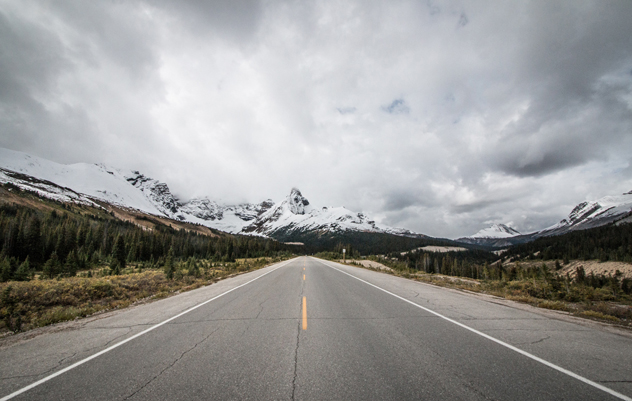
Tire chains. On my most recent adventure, my adventure partner, Katherine and I were driving back to Sacramento from Bishop, California. It was snowy, and I drive a Prius. Everyone in front of us seemed to be taking the Mammoth Lakes exit but as a first-time snow driver and having belief in my abilities to drive well, we continued on the desolate highway. After getting about 10 feet past the exit, we quickly began to lose control and came to a stop in the middle of the road. By this point I was losing all composure, but we took the snow-plowed exit: Mammoth Lakes. We got to town, bought chains and spent about an hour figuring out how to put them on with our numb fingers. If there was one thing I learned from that trip it’s that you should always carry tire chains, or be prepared to be stranded somewhere (in the cold) for a couple days. They’re worth the investment. Just do it.
Soup. Canned soup. Crack it open, place it in the coals in your fire, sip your hot sake for five minutes and then drink your soup right out of the can. It’s warm, cozy and simple.
Coffee. This should be obvious.
There you have it. I’m frugal. I don’t like to spend $800 on a sleeping bag or the newest, sleekest puffy. I can enjoy the outdoors with some $5 booze, a best friend to snuggle with and a can of soup. Use these tips or don’t, but be prepared when leaving the Sacramento area, for you never know what kind of treacherous weather you might encounter.
Originally published in issue 204: Jan 4 – 18, 2016