Every Friday across America, those looking for coverage of the latest developments and discoveries in science turn to a decidedly less-than-cutting edge device: the radio. Now in its 25th year, Science Friday is a weekly call-in show covering science and technology heard by 1.5 million public radio listeners every week, with hundreds of thousands more tuning in via podcast.
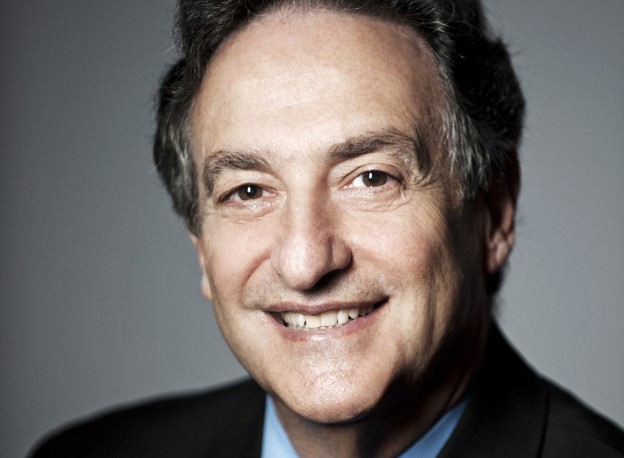
Hosted by the inimitable Ira Flatow, Science Friday’s roster of past guests reads like a who’s who of modern mainstream science: Elon Musk, Neil Degrasse Tyson, Jane Goodall. The show is produced by Public Radio International and broadcast on more than 370 public radio stations across the United States, including Sacramento’s Capital Public Radio, which is partnering with the Mondavi Center to bring Flatow and Science Friday to the UC Davis campus Sept. 24, 2016 for a live taping of Science Friday.
Flatow has been the host of Science Friday since the program’s inception in 1991. Before that, he was the host of the Emmy-winning PBS show Newton’s Apple and a science reporter for CBS This Morning and NPR’s All Things Considered. But Flatow does more than just lend his instantly recognizable voice to the show; as founder and president of the Science Friday Initiative—the nonprofit behind both the radio show and it’s growing online presence—he’s also the driving force behind Science Friday’s long-term mission of increasing the public’s access to science and scientific information. Among other things, this means he gets to pick the locations for the handful of yearly tapings of Science Friday outside of the show’s usual New York City studio.
“About four times a year, we go on the road,” Flatow said by phone from New York, about the show’s upcoming event in Davis. “It’s very difficult to decide, a lot of people want us to come visit them so it’s a tough choice sometimes.”
During the course of a 30-minute question-and-answer session, Flatow still sounds genuinely excited about getting behind the microphone every week, even as Science Friday prepares to celebrate the program’s silver anniversary. Especially when it comes to taking Science Friday to new audiences through social media and podcasting, Flatow exudes an infectious curiosity for science and technology which has helped make the show into an institution.
Have you been out to Davis before?
We have. A few years ago we did the program from UC Davis and we took a tour of the campus and the special gardens they have there. California being such a special place, with so many natural events taking place, we thought it was time for another visit.
How is Science Friday different when you’re doing it from the road?
Our show on a normal week is from a studio where we do it all live. When we go on the road, we will pre-tape our show with a local audience of people coming in to view it live and we add extra, added attractions. We’ll do something where the audience participates and we’ll do about a 90-minute, live-audience program with audience participation. Then we’ll take the best part of that 90 minutes, cut it down and we’ll make that one hour of our Friday show. For the second hour, we’ll go to KQED in San Francisco and do a live radio show like we normally do every Friday, just from San Francisco instead of New York for that other hour.
I would imagine that having the live audience makes the show a little more interesting to put together.
It’s like old-time radio. Radio is certainly not done very much in front of a live audience anymore. It’s got elements of a stage production. It’s a feeling … as someone who’s been in front of audiences, having worked in lots of television and in radio and on stage, when we have an audience live, it’s such a different kind of vibe in the room. You always hear actors talking about doing theater and how much they can feel the audience there with them, and that’s very much true when I’m sitting on stage with my guests and there’s 1000 people out there. You can feel them there, they laugh, they react, they applaud. So I really love that feeling of being with the live crowd. It’s very organic.
You’ve been doing Science Friday for 25 years. What’s changed over the years?
When we first started 25 years ago, first of all, there was really no internet. I mean, there was an internet but there was no world wide web, there was no web browsing or anything like that. In fact, we did a show in 1993 called “What’s This Thing Called the Internet?” and we actually broadcast it on the internet. We did the program from New York and sent it out to Xerox PARC in Palo Alto. They digitized and sent it out on the internet for those few people in laboratories that could listen to it in those days.
We were the first show to podcast on public radio. We were basically the first national show to ever be carried on the internet. We’re a science show, so we figure that because we report on cutting-edge news, we should do cutting-edge things. Whenever there’s an opportunity to do something new, like social media, we do that. We also were in a virtual reality called Second Life. I’m not sure if you’re familiar with that?
Definitely.
We had a whole presence in Second Life. We broadcast a show in Second Life, and we had all these avatars that would come in their garb and sit in a circular, made-up virtual reality place in Second Life and actually ask questions. Then we moved to Facebook; we have Twitter. We have, if not the largest, one of the largest social media communities of any public radio show.
Has that been a challenge for you, to stay on the leading edge of all these new social media technologies?
Well I have a staff that does that now [laughs]. But in the early days, I helped write HTML code for our website. So did our director, Charles Bergquist; he actually created our first, very crude website. But now we have dedicated people working on it. We have a couple of social media people who are Tweeting and Facebooking and keeping our social media efforts going all day long. If you join up and follow us on Twitter or Facebook, you’ll see new things happening almost every minute, new content.
Is it hard, especially on social media, to distill some of the complicated subject matter that you cover on Science Friday?
It’s a challenge, but I’ve been in this business of science reporting for over 40 years. And I’ve worked at all the media: I’ve worked in radio, TV, and online. It is a challenge, and I enjoy the challenge, of finding ways to describe in layman’s terms some of the complex ideas that we deal with sometimes. And It’s really a lot of fun to do that, to find a way to do that, finding ways to do that and finding experts who are skilled in boiling down concepts. What’s very surprising, we have social media running while we’re on the air—we’re Tweeting at the same time the program is going—and sometimes we think that some topic we take, maybe it’s physics, maybe it’s quantum mechanics, we think that we’re getting too much into the weeds on some of these things and getting into so much detail. But it’s amazing to see the spike in the audience. You can literally, in real-time, see the spike in the social media audience that’s eating this stuff up. They love that kind of detail. They love to hear about how the world works and the more detail we can give them, the more they love it. We realize that not everybody is a geek and not everybody is into social media as much as some of these people, so we try to find a balance.
Do you find that, in general, people are more interested in or knowledgeable about science now than they were maybe 30 years ago?
That’s a good question. I think it’s a myth that the public doesn’t like science. I think it’s true that they don’t understand how science really works, they don’t understand the process. They don’t understand that science is a method that’s built on failure, that there are more failures than there are successes … They’ve probably never seen a scientist their whole life, never met one. They don’t know what scientists are like. They have an idea that science is this giant book of facts that sits on your desk and that you look it up and get an answer to it, when actually it’s a process; it changes all the time, what we know, and knowledge is obsolete after a while.
So, they’re not quite sure how science works and what scientists do, but they love to talk about it. They love to hear about it. When you can give it to them in a way that they understand it, and understand the implications of it, they love to discuss it. Because really, science is talking about the big issues in our lives. Science is talking about the same things that theologians and philosophers have been talking about for centuries and that is where did we come from and where are we going? And science has a way of using data, experimentation and critical thinking to answer those questions.
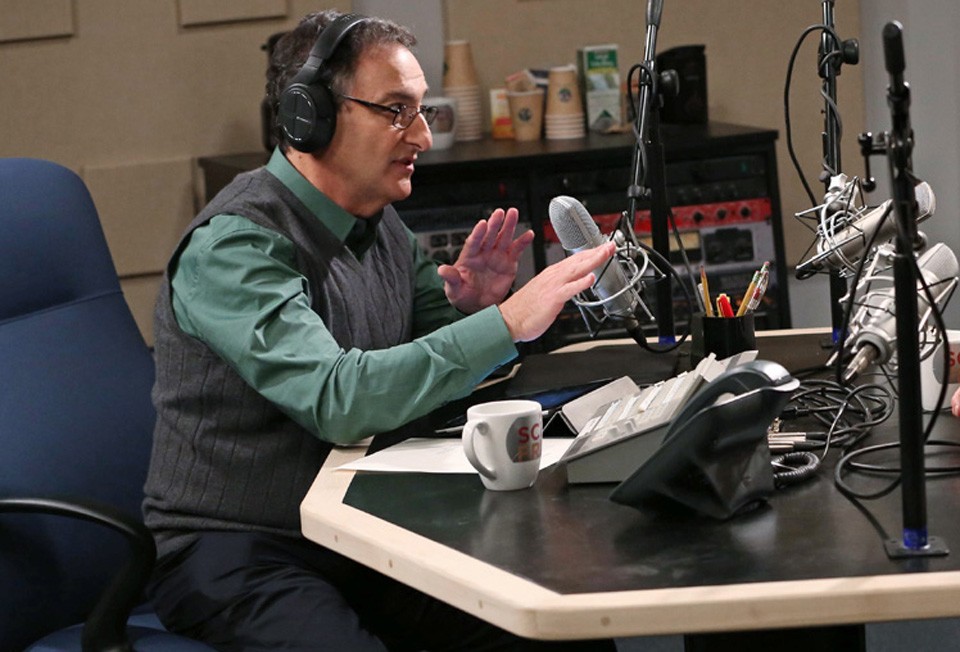
Photo by Michael Yarish
Be part of a live taping of Science Friday hosted by Ira Flatow Sept. 24, 2016 at 8 p.m. at the Mondavi Center, located at 1 Shields Ave. in Davis on the UC Davis campus. Tickets range from $12.50–$55 and can be purchased online at Mondaviarts.org. Learn more about Science Friday and the Science Friday Initiative at Sciencefriday.com.
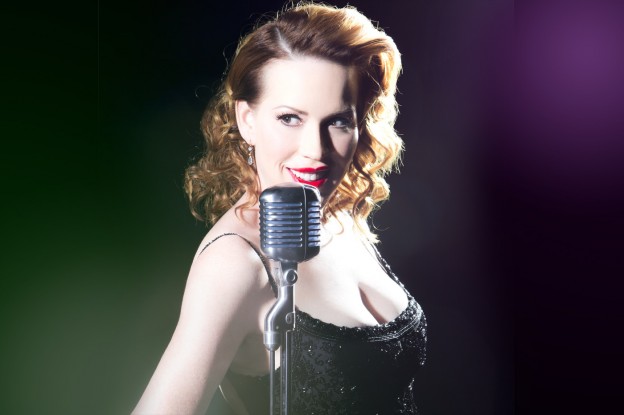
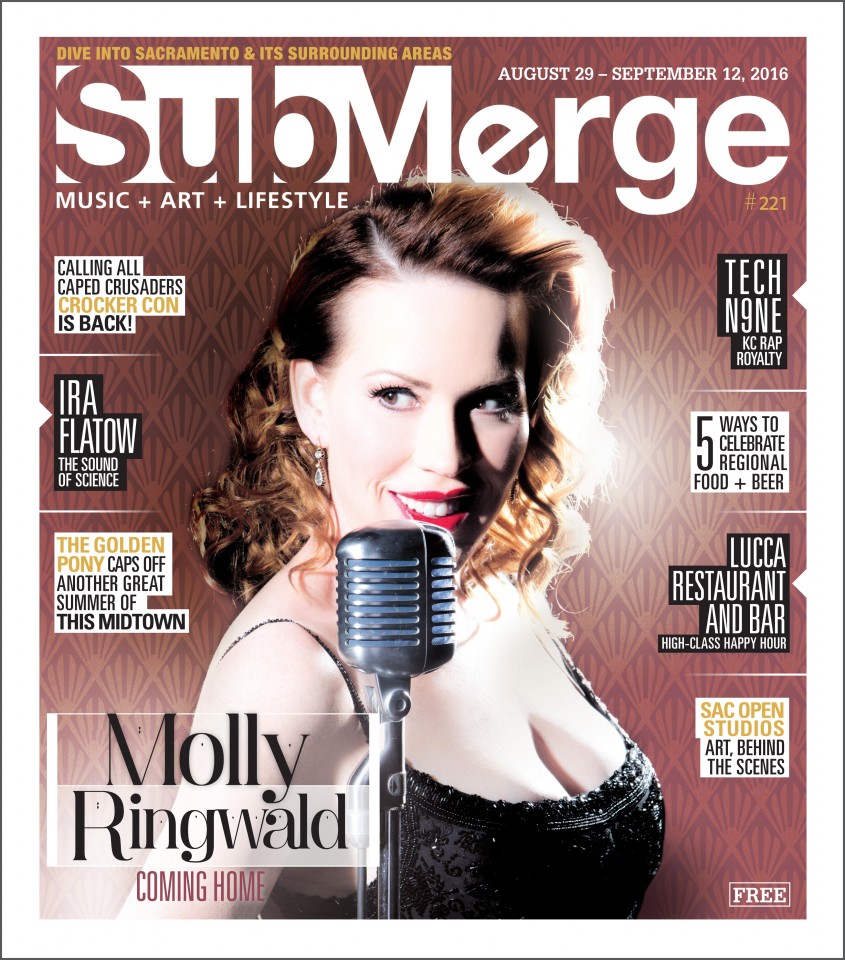
Roles in the films Pretty in Pink and The Breakfast Club pretty much granted Molly Ringwald permanent icon status. But before she became a whole generation of teen boys’ first crush, she was a singer. From right here in Sacramento, in fact.
Daughter of local musician Bob Ringwald, Molly was weaned on jazz from an early age.
“I think singing was almost pre-verbal for me,” she told Submerge in a recent interview. “Apparently … before I could even talk, my brother noticed I would make up songs and I would be singing to the animals. It was something I was always doing. When I was 3, I started to sing with my dad. My first performance in front of an audience was at the California State Fair. I still remember it. I did a lot of performing around the Sacramento area … It was something I always remembered doing and enjoyed doing.”
Though she recorded an album with her father when she was a child, Ringwald released her adult debut, Except Sometimes, a warm and romantic collection of standards for stalwart jazz label Concord Records, in 2013. She also recently finished recording a live album at New York City’s landmark club, Birdland, and has a few shows lined up for this coming September, including a homecoming of sorts at Quarry Park in Rocklin, where she will be performing with her father.
“My dad is much more traditional than I am,” Ringwald said of her and her father’s differing takes on jazz. “I like old-timey jazz. Anybody who listens to jazz or sings jazz knows it’s not contemporary pop music, but I think my sound is more hard bop and my dad is more straight-up Dixieland.”
In anticipation of her upcoming concert, Submerge spoke with Ringwald about a range of topics from growing up in the Sacramento area to passing her love of music to her own children. And she didn’t even seem to mind when this writer totally geeked out and gushed about how The Breakfast Club changed his life. I mean, it really did. Thanks, Molly.
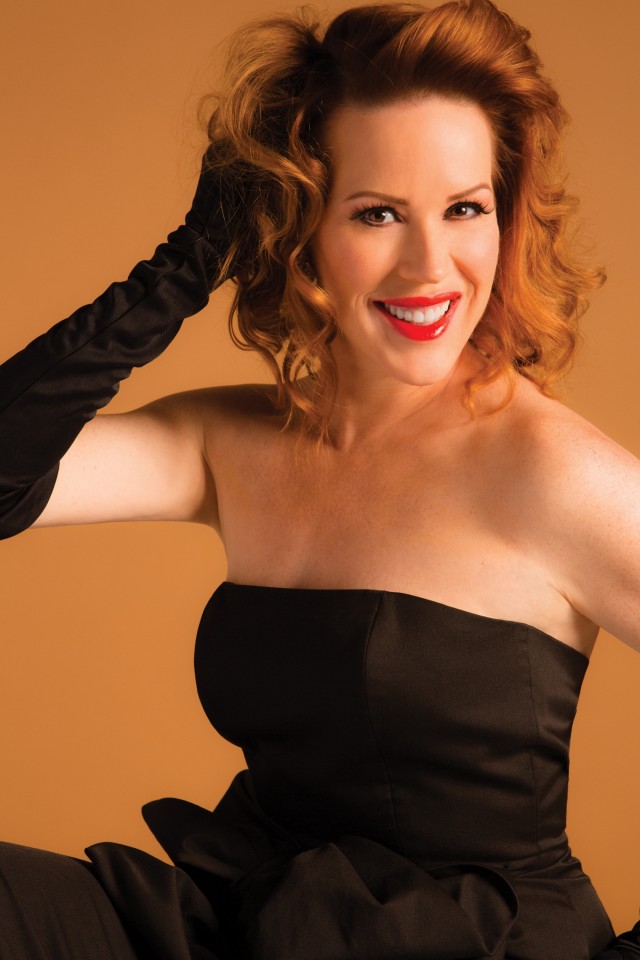
I saw that you grew up in the Roseville area. Do you get back there often?
My parents live above Sacramento in the Gold Country. I don’t get back there as often as I like, but I usually come around Thanksgiving. My kids were just there visiting their grandparents, and I have a lot of family in Sacramento.
Sacramento has really grown a lot in recent years. Have you noticed a lot of the changes over the years?
Oh yeah, definitely. When I was younger, the theater, the Music Circus, was just sort of this old tent. It wasn’t really very good. I loved going, but it’s become a real theater now. And of course the venues have grown, and there’s fashion, everything.
You usually perform songs out of the Great American Songbook, but you’ve written books in the past. Have you dabbled in your own songwriting or lyric writing before?
A little bit, but the writing that I tend to do right now, I’m still focused on fiction. I’m interested in writing music, but there are a lot of different things I do. I sing, I act, I write books and essays. There are so many things to do. There are so many things I want to do, it’s just a matter of finding the time. Also, my family just bought a house, so we’re fixing up the house and unpacking boxes. There never seems to be enough hours in the day.
I think moving must be the most stressful thing in the universe …
Yeah, that’s what everyone says. I think it’s right up there with divorce. I would say moving is much worse, though [laughs].
Yeah, I heard it was in the top three: Death, divorce and moving.
Having a teenage daughter should be up there too.
That’s probably in the top five. Your father is a well-known jazz musician, and you got into jazz through his influence, I would imagine. Have your own children shown interest in music?
They’re all very musical. My elder daughter—I had a ukulele that I’d always intended to learn and I didn’t get around to it. It was just in the closet. She found it and within two weeks she was walking around playing ukulele. She’s very musical. They all can sing really well, and they all have their particular tastes in music. They’ve listened to jazz because of me, but I think they’re all going to find their way into music, and they all have their distinct tastes.
Do you have your fingers crossed that they’ll get into jazz and sort of carry the torch?
[Laughs] Um, I really don’t care. I’ve introduced them to the music, so I think they’ll know about it. Like with me, jazz is my comfort music. Even though I listen to all kinds of music, I think that’s what jazz will be like for them—whenever they listen to it, it’ll make them think of me.
Did you ever want to pursue a different genre of music since your dad was so established as a jazz musician?
Oh yeah. During my teen years … I sang it a little bit with my dad, but I was really into more contemporary music. At that time, I never really thought that I would be performing jazz professionally at all. I think when you’re a teenager, you want to go and do your own thing, but I found my way back to it, of course.
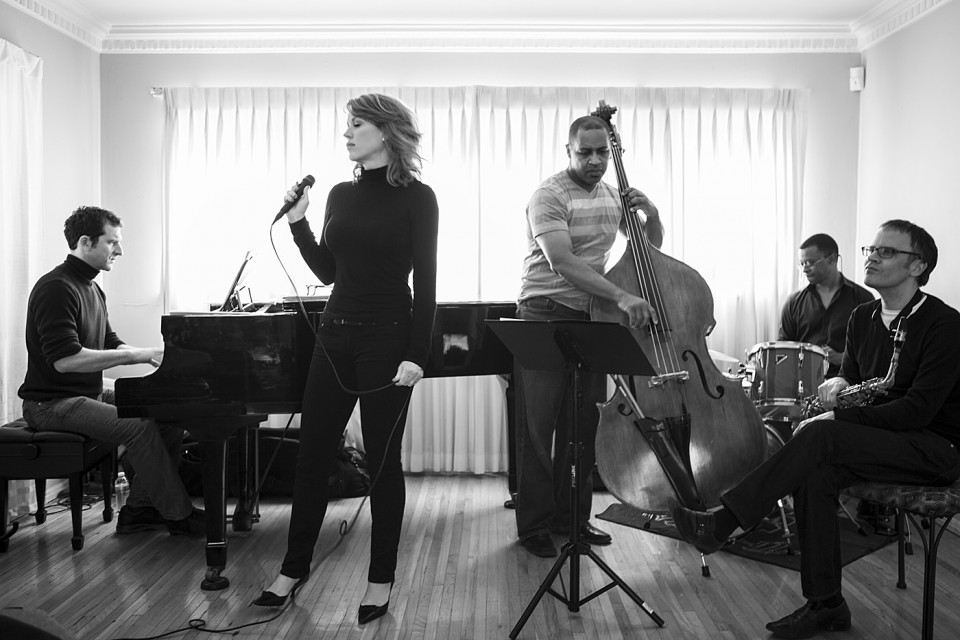
When your movie career started picking up steam in the ‘80s, there were all these big pop stars like Cyndi Lauper and Madonna. Since you had a singing background, was there any outside pressure like, you’re becoming such a popular figure in all these movies that are striking a chord with teenagers, let’s try to capitalize on that?
It was sort of a unique time. Like, in the golden age of Hollywood, people were expected to sing, dance and act and be a triple threat, and it’s really sort of come back to that now. But when I was coming up, it was not done that much. The only person I can think of who was doing that was Barbra Streisand. I really thought at the time that I couldn’t do both. I had to choose one, and I chose acting. It’s kind of silly, but that was the time. I sang with my dad’s band and I also sang with a rock band called the Ray Bops, and I would do special things like that, but I was never encouraged to record my own album as a teenager. It wasn’t the direction I was going.
I remember around that time that Eddie Murphy made an album, and there was this attitude, like, Oh, now he’s got to make an album … Like, he’s already a big movie star.
It was looked at like a vanity project. Even if people could sing, it was like oh yeah, Bruce Willis is recording an album. It wasn’t taken seriously.
Was that something that influenced your decision to not pursue music?
Yeah, I guess. It wasn’t something I was into. I think my interests at the time were elsewhere. In the back of my head, I thought, “Oh, I’m going to put together a jazz group,” but I didn’t know I was going to record or anything. It was just something I was going to do under the radar, for fun … But it’s kind of hard, once you’re a celebrity, to do anything under the radar. It turns into something else. But it’s been great for me. It’s been really enjoyable. Even though I’ve been singing my whole life, even just from my first album to the one I just recorded, I think I’ve grown a lot. It’s been a real interesting musical journey for me.
I’m sure you’ve gotten this a lot, but The Breakfast Club was one of those movies that really shaped my life.
I really like it, too.
It’s become such an iconic film, but when you were making it did it feel like it was going to be something special?
I thought it was really special. Of course, I didn’t imagine that I’d still be talking about it 30 years later, but I loved the script. I thought all the actors who were in it were really good, and we were good in it together. It was a movie that I really wanted to see, but you never know if what you like is going to catch with a larger audience.
Do you mind the fact that people still bring it up or would you rather not talk about it?
It’s fine. I like to talk about other things, but … I realize it’s such an iconic movie. I know people have a deeper connection to it that goes way beyond me … I’m cognisant to the fact that there’s still a lot of interest in those movies, but it’s not all I want to talk about, which is pretty understandable since I’ve done a lot of things since then.
Just recently you came out with a film, King Cobra, which was at Tribeca Film Festival this year.
Yeah, and I think it’s having a general release in September.
Can you talk a little about that one? It’s about the murder of a gay porn producer, so that must have been a pretty striking script.
It was based on a true story. It was based on a Rolling Stone article about this murder that had happened. I just thought it was a really interesting treatment of this seedy world, but the director really managed to humanize these characters. I play someone who doesn’t have to do with the industry. I play the sister of the main pornographer, who’s played by Christian Slater. It was a good project to be involved with.
See Molly Ringwald perform live at Quarry Park in Rocklin on Sept. 17, 2016 with her father, Bob Ringwald, and The Peter Petty Revue. Tickets start at $39 and can be purchased through Rocklin.ca.us (just click “Special Events”), or go to Iammollyringwald.com.
The brain-trust behind HBO’s new series Vinyl is formidable. Martin Scorsese teaming up with Mick Jagger to create a weekly drama for TV’s most consistently compelling network is head-turning enough, but throw Terence Winter and Allen Coulter, both alumni of The Sopranos, into the mix, and you’ve got what seems like a can’t-miss hit. On the flip side, you’ve also got plenty of room for disappointment. So where does Vinyl fit on this spectrum? After binge-watching the entire series this past weekend, I’d say it leans more toward the former than the latter.
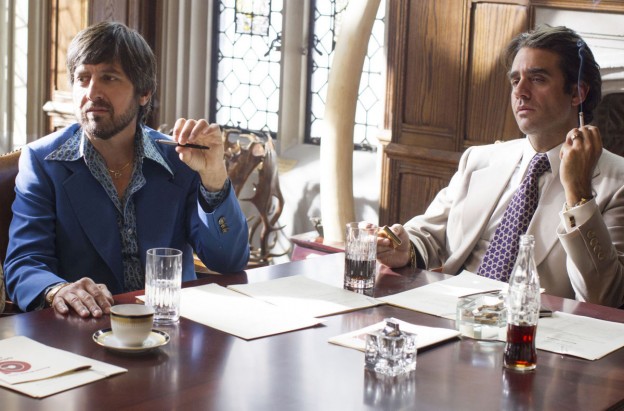
The pilot, directed by Scorsese, sets a hedonistic tone. Richie Finestra (Bobby Cannavale) sits in his car on a New York City street in 1973, looking to score cocaine. A mob of excited kids scampers over his car and hurries into an unmarked building where you’d presume something awesome is about to take place. The drug-addled Richie follows the crowd and finds himself in the middle of a raucous live music performance—The New York Dolls in their prime churning out a gloriously loud version of “Personality Crisis” to an ecstatic crowd as dust rains down from the ceiling.
From here, a series of flashbacks shows us how Richie got to this point: Richie is the head of American Century Records, a company built on his passion for music that is now floundering under the weight of its own corruption and an antiquated business model (not unlike the record labels of today, for better or worse). He and his partners Zak Yankovich (Ray Romano), Skip Fontaine (J.C. MacKenzie) and Scott Leavitt (P.J. Byrne) are set to sell American Century to German Polygram, which would free them from the burden of their sinking label and make them rich men.
However the deal is a precarious one. It hinges upon the false assumption that American Century has Led Zeppelin all but signed to a deal. There is also some “creative accounting” the guys have to … uh … account for. Throw Richie’s on again/off again relationship with cocaine, and, oh yeah, there’s a murder too. After Richie narrowly escapes the collapse of the Mercer Arts Building, he feels it’s a sign to keep doing drugs, keep the label he built from nothing and tell the Germans to go fuck themselves, much to his partners’ dismay.
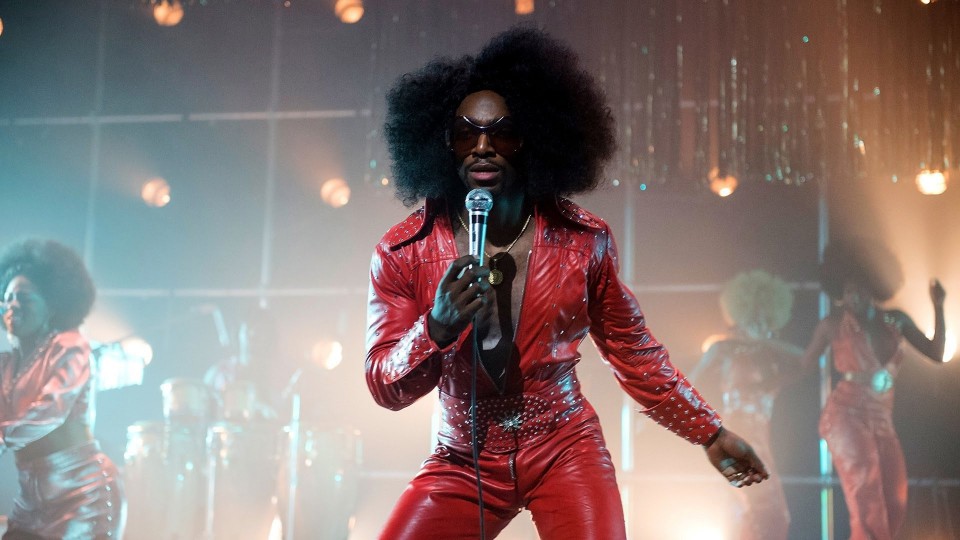
Vinyl has a lot going for it. As you’d imagine, the soundtrack is phenomenal. But not only does it make you bop your head, but it’s extremely well-utilized. It’s like the entire show is a series of turntables and the world’s greatest DJ is providing the mix. A fire breaks out in Richie’s office? Here’s a perfectly placed number by Janis Joplin. Richie sits in a stolen car, forlorn and battling the demons of his past while staring at Coney Island’s iconic Cyclone roller coaster? Drop a little Buddy Holly. Devon Finestra, Richie’s wife wonderfully portrayed by Olivia Wilde, takes a carefree drive through the suburbs before she realizes she forgot her kids at the restaurant? How about some Karen Carpenter? These ghostly interludes feature actors portraying these specters of rock’s past, which adds a lovely, halcyon dream quality to the series.
Adding to the richness is the setting of New York City in 1973, which is vibrantly recreated in Vinyl. Neon signs, graffiti, crumbling buildings—it’s all there and startlingly realistic. So much so, that it’s hard to tell where the series blurs the lines between reality and fantasy. Though the collapse of the Mercer building was embellished upon by the series’ writers, it actually happened. Embarrassingly, I even had to do a quick Google search to determine whether or not American Century was a real label (even though I’d never heard of it). From derelict bars to fancy nightclubs playing hosts to such luminaries as John Lennon and Andy Warhol, Vinyl’s backdrop is ridiculously immersive and a painstaking reconstruction of a city ready to see the birth to punk and hip-hop.
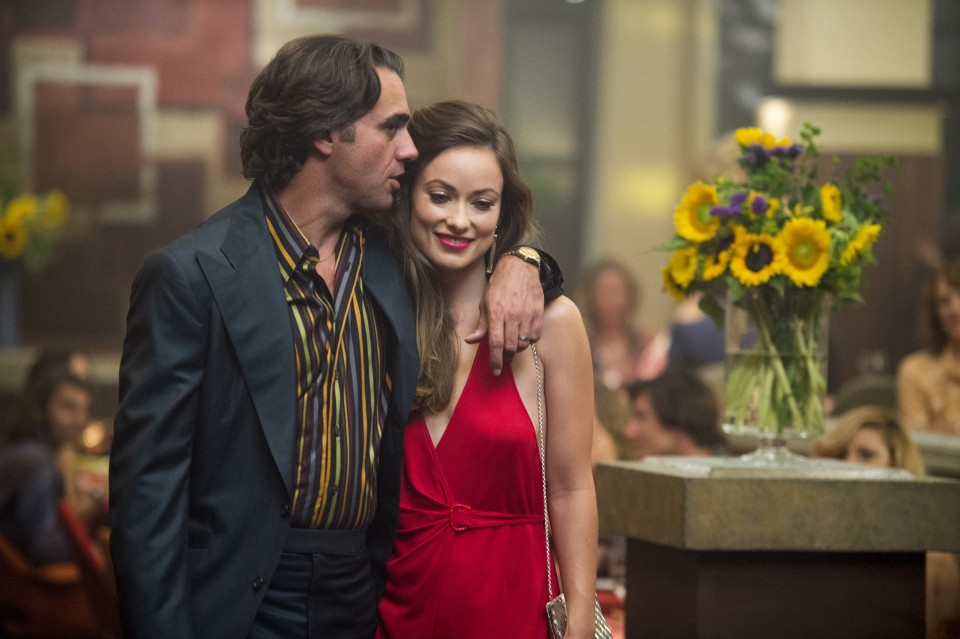
Window dressing aside, there are also some interesting relationships between the characters, though most of these interactions center around Richie. Cannavale does a fine job as the series’ pivotal character, even though most of the situations have him high off his ass and screaming like a madman. As the pressures of trying to resurrect American Century and his involvement in an ongoing police investigation mount, he becomes more and more estranged from his wife Devon and their two children. Devon, a photographer, left behind her life as an artist in New York City, hobnobbing with Warhol and the like, to become a suburban mom in Connecticut. Flashbacks of their burgeoning relationship show a couple who really did have it all, if only briefly. Toward the end of the season, a strong scene between the two takes place in front of the infamous Chelsea Hotel, where Devon has taken the kids to get away from Richie. He confesses what made him fall hard off the wagon (i.e., the aforementioned criminal investigation) and leaves in silence, leaving their situation open and not tying a nice bow on the whole thing.
Elsewhere, we meet Lester Grimes (Ato Essandoh, who is fantastic in the role), Richie’s old friend and first management client. Lester was a blues singer and guitarist with all the talent in the world, but fell victim to Richie’s shady dealings with record label execs and mobsters. After a long time apart, the two come back in contact with one another, Richie eager to make amends for all the pain he caused Lester, who is understandably bitter and skeptical.
Seeking a small measure of revenge, Lester gains the confidence of Nasty Bits, a sort of proto-punk rock band headed by Kip Stevens (Mick’s son James Jagger), a heroin addict with a chip on his shoulder and the uncanny ability to put a charge in audiences. Richie sees Nasty Bits as a group that can breathe some life into his label’s stale roster. Lester becomes Nasty Bits’ manager, leading he and Richie to form a shaky alliance. The scenes between Essandoh and Cannavale were some of my favorite in the series, mostly because they kept the plot focused on the music, Vinyl’s strength, but also served as a compelling allegory of rock ‘n’ roll’s checkered past, in which shifty white businessmen looked to exploit young, black artists.
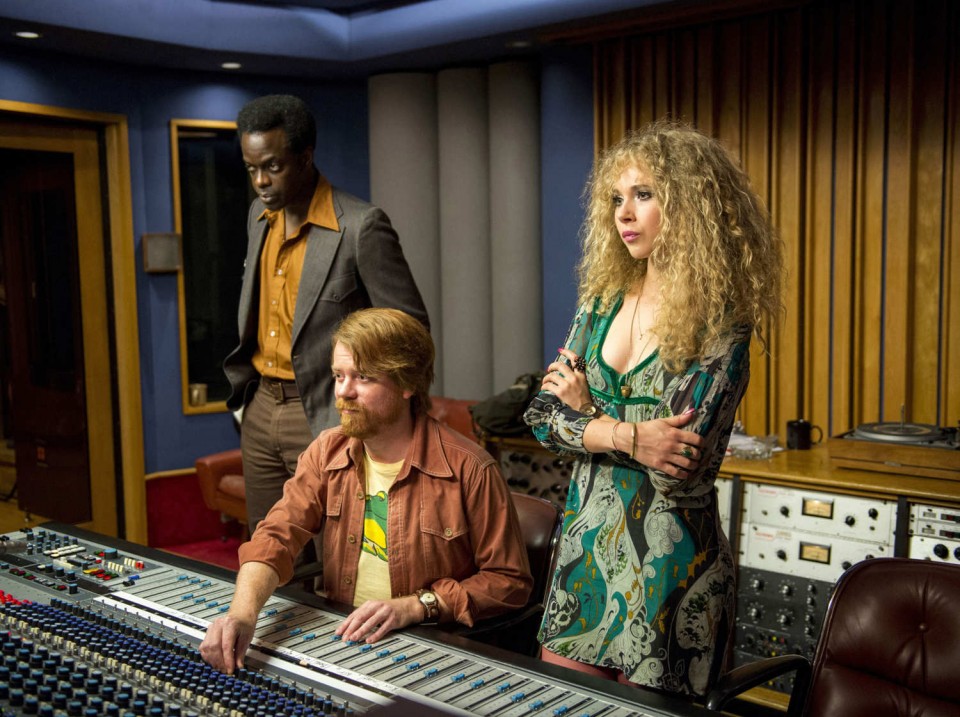
It’s these relationships, as well as Richie’s dealings with his partners (especially Zak, thanks to a strong, against-type performance by Romano) that made me want to keep watching. Unfortunately, the muddled inclusion of the mobster/murder angle, which seems to permeate a lot of HBO’s programming really detracted from the good stuff. Though Armen Garo, the actor who portrays kingpin Corrado Galasso does well in the role, there’s really not much depth to him—just a stock tough who conducts business through intimidation and serves as the story’s boogeyman, as if the trappings of the rock ‘n’ roll business and drug abuse weren’t enough. As Richie says, it should be about the music. Hopefully Scorsese and company will heed that advice for season two.
The Devil You Know
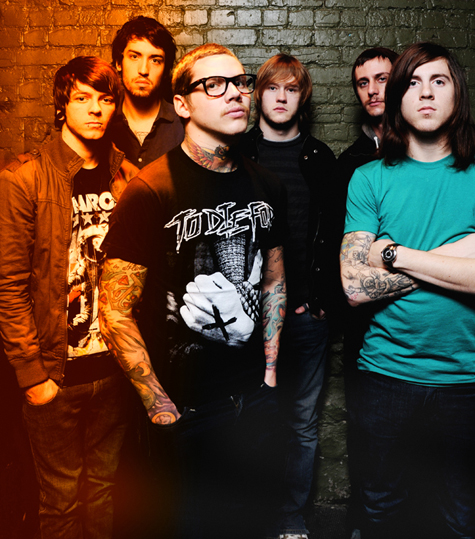
Two nights in New York City have taken its toll on Jeremy DePoyster. America’s largest city is a lot to take in for new visitors and longtime residents alike, but for a member of a band whose star is on the rise, New York’s hectic pace can reach exhausting levels. DePoyster, guitarist/vocalist for Dayton, Ohio’s The Devil Wears Prada, has been shuffled from meet-and-greets to photo shoots to interviews, not to mention playing two shows at The Fillmore at Irving Plaza, which he says were “probably the craziest New York shows we’ve had.” DePoyster doesn’t mind all the fuss, though.
“I’d still take this over any other job,” he says through intermittent yawns, early in the morning after the band’s second show.
The Devil Wears Prada won’t have much time to rest in the coming months. As of this writing, the band’s latest album, With Roots Above and Branches Below, is just a month away from release. Recently, the band leaked a song, “Dez Moines” onto their Myspace page. In less than a month since posting, the song has already received close to 1.8 million plays, whetting fans’ appetites for the new material. DePoyster says the song is a good bridge to The Devil Wears Prada’s new songs as it closely resembles the sound of the tracks on the band’s previous effort, Plagues.
“The further we get into the tour, it seems like the more the kids are into that song,” DePoyster says of fan response to the new track live. “I don’t know if it’s getting more popular on Myspace or something like that, but it seems like the further we get into the tour, the more positive the response is to that song.”
Though DePoyster describes some of the songs on With Roots“¦ as having a Plagues-ish feel, he also believes the album is more mature and sees the band branching out (pun intended) in new directions. For example, With Roots”¦ marks the first time the metal-core group has opted to write songs in a tuning other than drop-D, dialing their tuning as low as drop-B for some songs.
“I really felt like we’d done two CDs in the same thing, and I really didn’t want all the choruses and chord progressions to sound the same as the last two records,” he says of the decision to drop down. “I didn’t want to write the same album again I guess.”
The band will be touring the country headlining the Sweet Brag Tour with A Day to Remember, Sky Eats Airplane and Emarosa until May 1, just four days before the album hits shelves; after that, they will fly to Russia for a couple shows, before returning to the states to join this summer’s Vans Warped Tour—not bad for a band barely 4 years old. Sacramento-area fans will be able to catch the Sweet Brag Tour when it rolls through Orangevale’s Club Retro on April 19, 2009. The Devil Wears Prada will once again visit Sacramento on Aug. 21, 2009 when the Vans Warped Tour comes to town.
Submerge rustled DePoyster out of bed for the following interview.
What did tuning lower do for your songwriting?
We could still write our same style and still do our same thing, but it had a different feel to it, just because we’re not used to playing in that tuning. Playing our same style of things and our same style of writing in a different tuning, it added a different feel to even the singing parts and everything like that. It was heavier.
Do you think it opened you up creatively?
Yeah, definitely.
Was there a particular song that was really benefited by using the lower tones?
There were two songs, I’d say, “Assistant to the Regional Manager” and “Wapakalypse,” that would have suffered if they weren’t in that lower tuning because of the style of the riffs and stuff like that. They were definitely helped by being in that lower tuning. There was this other song that we did that had this really epic singing part at the end of it that I thought was cool just because it was in a different tuning with different chords than we would normally play. I could do some different stuff with it, and if we had done 10 or 11 more songs in drop-D, it would have just been too monotonous. It would have been just like Plagues.
I read a quote by someone in the band that said the new album is “more mechanical” than what you’ve released before. Would you agree with that?
I don’t know who said that. I wouldn’t necessarily say it’s more mechanical. Maybe they meant better structured because I think we’ve become better songwriters together than our last two records. Plagues was a big step forward in our songwriting, but I think this one even more so. The songs flow better through out. Other than going into some weird tempos and things like that. We’ve done that before, and that was cool, but it’s not really what we want to do now. We want to write better songs and not just breakdowns and big metal riffs and stuff like that. I think it [With Roots”¦] is easier to listen to and it’s more catchy because they flow so well all the way through. My favorite songs on the last record were songs like “HTML”¦” and “Hey John”¦” and stuff like that, because they flowed pretty fluidly throughout the song. We tried to do that with all the songs on this record.
So it’s less about seeing how much you could cram into one song than it is making the songs cleaner?
Yeah, exactly, and I think we were a lot more apt to, like, if it didn’t make sense in the context of the song, we would just scrap it. As opposed to before, we would be like, “What should we play here, this weird little thing? Yeah, let’s do that. Why not?” This time we were stricter on what made the cut and what didn’t.
I was reading the lyrics for “Dez Moines,” and one of the lines goes, “Profit zero, achievement zero.” I know the band’s name deals with materialism, and that seems to work into that song in particular, as well as being a recurring theme within the band. Do you see materialism as one of the biggest problems this generation has to overcome?
I don’t even know if it’s necessarily this generation. It’s just one of those things where”¦well, it’s hard to say. As a Christian band, we’re working for God first. I know myself, in my own personal life, it’s easy to get wrapped up in other things, whether it’s guitars or video games. I collect DVDs and stuff like that, but none of that stuff really matters in the end of it, by any perspective. It’s not important. It’s just something that’s always been important to us, and Mike [Hranica, vocals] really dove into that again lyrically.
Given what you just said, are any of the songs on the new record inspired by the current financial situation? What’s your take on that?
Reading through the lyrics, I wouldn’t say any of the songs are inspired by the financial situation. We haven’t really talked or thought about that whole business too much. I know we have one political song, but it’s a little bit different than that. It’s obviously a scary time for everybody. Even before all this crap happened, it’s been really hard to sell records, because everyone downloads, and the labels are suffering, and the bands aren’t selling as many records. Someone’s record just came out, I don’t know, Kelly Clarkson or something, and it only sold 250,000 copies the first week, which is insane that she would only do that many, where if it was three years ago, she would have done a million or something. It hasn’t really affected us, because we still have a lot of people coming to shows. We’re really lucky in that. Obviously, it sucks. Industries are crashing—the auto industry and all that stuff—and that’s not cool.
You’re headed out on the Warped Tour, and I guess it’s a nature of the beast, but there’s a lot of marketing that goes on during the tour, in the tents between the stages, does the commercial aspect of the tour bother you at all?
Not really. We’re not a punk rock band or anything. It doesn’t really matter to me, I guess. I come from a different background. I used to go to Warped Tour when it was in the new shape of things—Fall Out Boy and all those bands—and I was really into it. I was telling someone the other day that Kevin Lyman is a genius, and he’s done a really good job of keeping the tour current. He could have kept it all old punk bands just to please people and appease people, but he hasn’t really done that. He still brings back those bands every year, but he also brings in a lot of the new things. We didn’t know what to expect going into it. We thought it was either a pop-punk tour or a punk rock tour, but we went in on the first day and had a huge crowd and that happened the entire tour—the craziest shows we ever played. He does a really good job of building a broad package that still does really well.
You already mentioned that you and the members of the band have strong Christian beliefs, but many bands in the metal genre have a decidedly anti-Christian message. Did you listen to a lot of metal growing up, and why did you choose this form of expression?
Yeah, I definitely listened to a lot of metal growing up—and even more so now. I love Judas Priest, Iron Maiden, Slayer, all that good stuff. Musically, I love those bands. I don’t necessarily agree with what they say, but I can appreciate the music. I think the same thing applies to us. I mean, obviously we’re a Christian band, but we’re not preaching. We’re not shoving things down people’s throats. If they do come from a metal background, and they’re really anti-Christian or whatever, I still think they can find something in the music that they like.
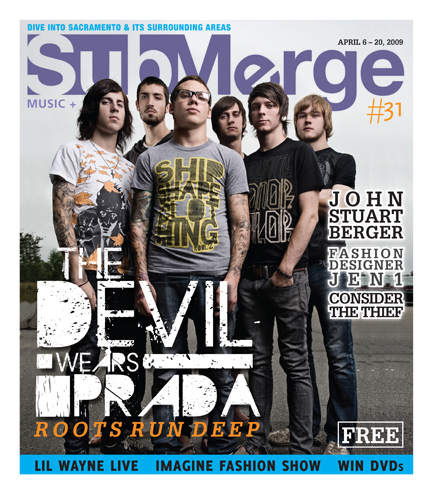
Also read The Devil Wears Prada at Club Retro in Orangevale on April 19