A million years ago when I went to college, I took Astronomy as my required “science with a lab.” I thought it was going to be awesome. I was heartily disappointed. All we did was read textbooks, work math equations and dick around on crappy computer programs in the lab. Sure, we’d talk about nebulas and supernovas and far-off galaxies and all that cool stuff, but, you know, that stuff is really far away. And I went to a city university, not a NASA training program, so I never actually got to go into space. I mean, I was reasonably sure that a trip to the International Space Station wouldn’t be on the syllabus for Intro to Astronomy, but a boy could dream.
That’s the big problem with space, though; it captures the imagination. Imagination isn’t the hot commodity it once was. Nothing is left to the imagination anymore. I guess that’s why the European Space Agency (ESA) dropping a lander on a comet had to play second fiddle to Kim Kardashian’s ass this past week.
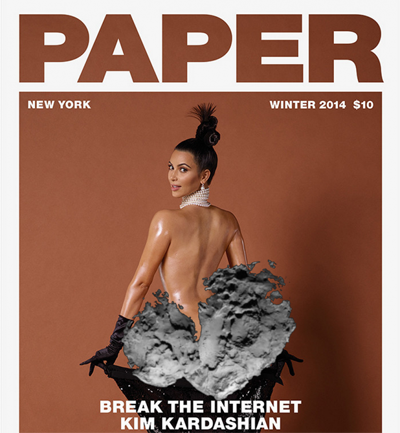
It’s sad. It’s really sad. As you’re most likely aware, Kim Kardashian, who’s famous for being rich, stupid and married to Kanye West, posed naked for Paper Magazine, showing off the other thing that’s she’s famous for, her plump tuckus. Kim’s sister Khloe told E! that her sister’s photo shoot was a big “eff you to the world,” you know, because the world has been so harsh for Kim and the rest of the Kardashians—ensuring them a life of excess and comfort for doing absolutely fucking nothing.
“People were just so hard on her during her pregnancy, that I think she feels so liberated to show everyone ‘Look how bomb I look!’” Khloe said.
Liberated. Right. Because for months she had to languish through Internet troll-oppression. I’m sure people wondering whether or not they’ll find clean water today or living under the thumb of a tyrannical government are so stoked for you, breaking free of your shackles and whatnot and glazing your giant booty for the world to see. Brava. Really. You’re a treasure.
If you actually noticed the cover text and weren’t hypnotized by Kim’s juicy rump, you would have seen the words “Break the Internet” placed beneath those luscious cheeks. I guess Kim figured that these racy photos would cause so much of a stir on the Interwebs that the whole damn thing would grind to a halt.
Of course she was right. We suck. We let it happen. You suck for posting links to poorly written HuffPo articles about it. Your friends suck for taking time out of their busy schedules to create clever parodies of the incendiary photo and sharing them on Instagram. I suck for wasting all this column space pissing and moaning about it. I’m probably worst offender in that regard. Trees had to die for this column to be printed. I’m pretty sure even just one tree nestled away in the forests of Canada has made more valuable contributions to the quality of life on planet Earth than all the Kardashians combined.
We landed on a comet for heaven’s sake! A COMET!
What’s wrong with us? Maybe it’s not our fault. Let’s compare Kim’s Paper cover photo to the first image confirming the Philae lander had found purchase on the Rosetta comet’s surface. The latter depicts an almost featureless, pixilated light gray landscape with a few small dots of darker pixels. ESA drew little circles over the spots where the lander was, its shadow and the cloud of dust Philae made when it made contact with Rosetta’s surface. They went so far as to label what they’d circled, because if they hadn’t, you really would have had no idea what you were looking at. It almost seemed like a desperation move, like ESA was saying, “Hey! Check this out! We swear it’s momentous!” In all honesty, it sucked. It was like a shitty piece of modern art.
The former image, that of Kim’s mighty kaboose, had a lot more pizzazz. Kim’s back was to the camera, and she was staring back at the lens over her left shoulder. Your eyes moved down her bare back to her Photoshop-pinched waist and then further down until you hit pay dirt. There it was in all its splendor, oiled up to a glossy sheen…it was like the two sexiest glazed donuts ever, just perched there, taunting you.
Space really didn’t stand a chance. The ESA would have to have produced photographic evidence of wookies or ewoks or maybe even Jar Jar Binks (OK, not Jar Jar) living on Rosetta to compete with an ass like that. Maybe they could Photoshop a few little green men hanging out on the comet? Photoshop seems to be working for Kim.
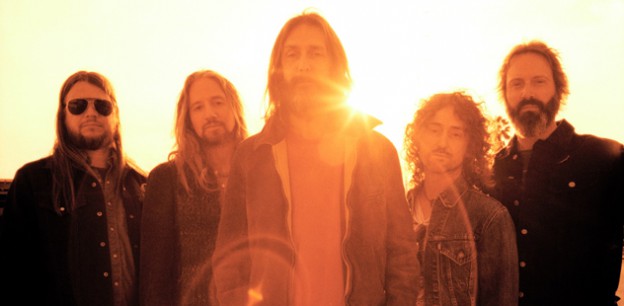
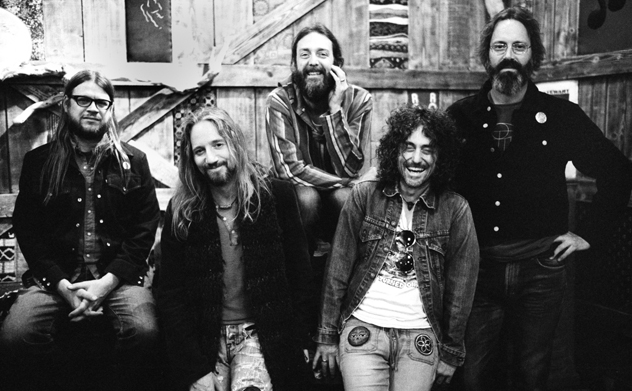
Having had his fill of the rock star lifestyle, Chris Robinson nurtures his passion for songwriting with Chris Robinson Brotherhood
So, Chris Robinson called me. Usually when these sort of interviews happen via phone, a publicist calls as a sort of intermediary. The press person will call me, then connect me with whomever I’m scheduled to interview. However, this time around, the enigmatic vocalist who most famously fronted The Black Crowes contacted me directly. As a child of the ‘90s, I was understandably stoked.
“We’re serious about this whole farm-to-table music vibe,” Robinson joked.
He was referring to a line in the bio for his latest music endeavor, Chris Robinson Brotherhood, which states that the band self-identifies as a “farm-to-table psychedelic rock band.” It’s meant to be “tongue in cheek,” Robinson says during our interview, but listening to the band’s latest album, Phosphorescent Harvest, it sort of makes sense. The album opens with the fuzzed-out, spacey-yet-soulful rocker “Shore Power,” which sets the tone for what is to follow without setting up a clear road map. Terminating with the sprawling, atmospheric, aural trip that is “Burn Slow,” Phosphorescent Harvest is sort of like driving cross-country: You traverse across wildly different terrain that nevertheless shares common bonds—it’s all connected.
Phosphorescent Harvest, released April 29, 2014, was recorded in 2013 with producer Thom Monahan. Whereas CRB’s first two albums were pretty much recorded live in the studio, this time around, the band went with a more classic “studio album” approach. However, since Robinson and company were busy elsewhere, the band members would go to the studio for a few days whenever they were available to record.
“Neal [Casal, guitars/vocals] was working and playing with Phil [Lesh] and doing other stuff, and then he’d come in and do four or five days in the studio,” Robinson, who toured with The Crowes in 2013, explains. “The Crowes would have a break, Adam [MacDougall, keyboards/vocals] would be sleeping in the studio and doing his thing for six days. When I came home, I would head over there. It worked as a collective. It was loose like that.”
Despite that, the album boasts a coherent and cohesive sound, something Robinson takes great pride in.
“When you hear it at the end, what I was super surprised and happy about, it sounds as live as it was when we cut it on the floor,” he says.
Robinson co-wrote much of Phosphorescent Harvest with Casal. Though Robinson garnered much of the songwriting credits on CRB’s previous albums, he says that Casal’s contributions to the band’s songs have been invaluable since the beginning. In Casal, Robinson says he’s found a songwriting partner who helps temper his own “kinetic” energy.
“Writing partnerships are funny. In great songwriting partnerships, the people are very different, I think. They’re almost really opposites,” Robinson says. “I might not write a song for a month, and then all of sudden there are four or five of them laying around. Neal is really amazing because he’s more calm and collected. I appreciate his approach, and he appreciates mine. Neal can take the best of the creative outbursts that I have and put them into context so they’re not just manic.”
In the following interview, Robinson expands more upon the writing of Phosphorescent Harvest, explains why The Black Crowes were the best and worst of times and talks about how music helped a weird Southern boy cope with his surroundings.
Why do you say CRB has a farm-to-table vibe?
We’re Americans. I have kids and a wife. I want my family to be happy, but how does that fit into the context of joy, happiness, music and a soulful sort of place?
It’s not militant or anything, but I do think that once you start to remove yourself from the trance culture of status, greed and fear, and you start to wake up and realize, well, the sun is still shining. You’re saying I can go to Harlow’s and be a part of something that’s not like everything else people have been trying to sell me? I don’t think these were conscious decisions. The Black Crowes were a Charles Dickens novel. It was the best of times; it was the worst of times [laughs]. It’s just true. Granted, dynamic experiences enhance those kinds of extremes. But I learned a lot. As I’m moving into my 50s—I’m 48 next month—it’s the same thing with my family, my band, my music and everything. I want to be in control of these vibrations. When I say “I,” I mean “we.” This band is a family. We look at it that way. We own a little family hardware store in a world of Wal-Marts, but we hold the leash in our hands, man, you know what I mean?
I’m a vinyl junkie. I like going to record stores where people know a lot about their records. I know a lot about our presentation, and that’s really all we can control. That’s where our energy is, and all this music and vibes are coming from.
You said your time with the Crowes was the best and worst of times. Do you think that those extremes are what made the music so memorable for people?
I think in a romantic way, and I definitely think in a youthful sense, yes. We were very young when all that stuff started happening with Shake Your Money Maker. I think part of your youth is your lack of perception of things. Since you haven’t had the experience, you throw all that same energy and all that stuff into your anger and frustration. The Black Crowes, although we never represented anything negative or violent, we were definitely not afraid of the anger of youth.
It’s funny now, man, looking back to the ‘90s, we were this band talking about drugs and marijuana legalization, we were on lists back then, you know what I mean? CRB played in Oakland on a 4/20 event, and some dude in the audience yelled out, “four-twenty, man!” and I said, OK, I dig it, but remember, some of us here are older. We used to be outlaws, now we’re patients.
I don’t know… The Black Crowes, man, part of that is the same reason why I don’t want to do it. The worst imaginable thing to happen, like some Kafka novel, would be to wake up and [I’m] 24 again. Oh my God!
I know that feeling…
I’m serious! I guess there are some people who didn’t get the adventure or the life they expected or thought [they’d have], they’d be like, “I’d love to be 24 again.” Not me, man!
I read an interview with Neal, and he said that it was the most complex and psychedelic album you’ve ever done, but the songs and vocals were never compromised. Was it difficult to strike a balance between staying true to the framework of the song but still adding all the layers you wanted to?
In this kind of music, that kind of framework is a really light sketch. In this scenario, like you said, the song is the song, the melody is the melody, the imagery is the imagery, but…the soundscapes and the colors and textures we can use, that’s something that changes and grows as you’re putting together the record. All sorts of changes happen.
It sounds like you were working in reverse with the first two albums. What I mean is, you took the songs you were already playing on the road and then committed them to tape, but this time around it sounds like they were born in the studio. Is that what happened this time around?
Pretty much. There were a few of those songs we’d played: “Meanwhile in the Gods…,” “Jump the Turnstiles” and “Badlands.” We’ve only been a band just getting into the end of our third year. When we write a new song, we like to add it into the repertoire. Some of those songs, like “Shore Power,” we’d had, but didn’t play for anyone. But other songs like “Burn Slow,” I had the verse riff and that weird sort of epic Freudian middle section, and Neal put together all the other stuff…that real trippy part where you break out and you’re in a meadow somewhere, that was something I thought of on the way [to the studio], because I hadn’t even finished the lyrics. A few hours later, then you’re like, “Where did this come from?” We didn’t know what to do with “Burn Slow,” because it was sort of nebulous. We liked the vibes, and we liked the mood, but it wasn’t really a song yet. You never know. That’s what keeps me interested.
We live in a time when people, seemingly, go on TV and are like “Vote for me in a talent show.” I started writing songs because I was a fringe element, and writing songs kept me involved with people and not getting too out there, not getting too depressed, not getting too overwhelmed. The one way I could keep afloat as a strange adolescent person in the Deep South was music. That’s a sincere place to begin, like, wow, the songs helped me figure out what’s going on with me.
You mention being a weird kid in the Deep South. You and CRB just toured there in late October. What’s it like going back there for you now?
I love to visit. The weirdos in the South, or anywhere you go, make traveling worthwhile, and the South is a unique place. My family has been Southern for hundreds and hundreds of years. I see the world through Southern lenses. But it’s also funny, because you tour all around, and the only places other than West Coast, especially California, that people will dance all night on a Tuesday night are South Carolina, Alabama and Georgia. I wish it was less alcohol-driven, but they’re still having a great time! When I’m there, it’s nostalgic, and I’m not a very nostalgic person. I still love barbecue, and I still have great friends there. For me personally, music was a way to release myself. I wanted something different. My DNA was ready for California. That’s happened to millions and millions of people, and that’s the beautiful thing about this state.
Was California everything you’d thought it would be when you first moved out here?
Everything has good and bad. Different times, different things. When I was young, and it was the whole rock star part of life, Los Angeles was cool because I never was a giant. I mean, shit, we sold millions of records, I was on MTV 18 times a day. People recognized me and all that stuff, but then Michael Caine would be in the restaurant, you know what I mean? There was a weird level of being anonymous in Los Angeles. Like, if you don’t cater to celebrity culture and lifestyle…like, I was at the taco stand on La Brea at the car wash, I wasn’t eating at Spago. When I moved out here, I was 24 years old, still. It also had a lot of stuff that wasn’t available in Atlanta in terms of rock ‘n’ roll lifestyle choices.
Chris Robinson Brotherhood will play Harlow’s in Sacramento on Dec. 2. Tickets start at $25 and can be purchased through Harlows.com. If you’re up for a road trip, CRB will also be playing in nearby Nevada City at Miner and Foundry on Dec. 5 and not-so-nearby Chico at the El Rey Theater on Dec. 6. More info on those shows can be found at Chrisrobinsonbrotherhood.com. Groovy!
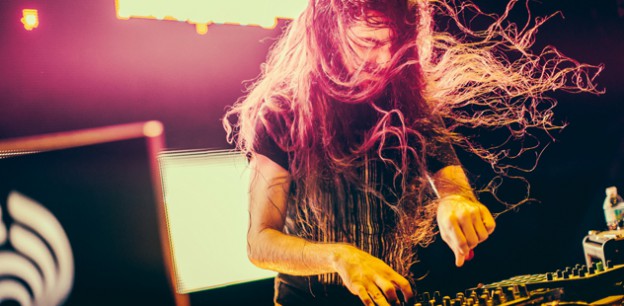
Lorin Ashton, aka Bassnectar, Prepares for Life Back on the Road
If you’ve ever seen Bassnectar (née Lorin Ashton) live, you know his show is a treat for all of your senses. The EDM DJ/producer brings with him a full light show and video element that’s synced with his metalhead-informed, heavy electronic music. And while it may seem like complete and utter audio-visual chaos, as Ashton explains, it’s actually a whole lot of work.
We caught up with him a day before the TomorrowWorld festival in Chattahoochee Hills, Georgia, just outside of Atlanta. He was taking time out of his busy schedule prepping for the major electronic music festival, which also featured Avicii, David Guetta and Diplo among many notable others, as well as his own upcoming headlining tour.
“It’s an unspeakable amount of work,” Ashton says of his pre-production process. Not only does he have to edit original video content to his songs and samples and coordinate with a team that caters sets and atmospheric lights to whichever venue he’s playing, he also has to curate his impressive catalog of music and figure out how to reimagine it each night.
“The music is probably three or four full-time jobs—remastering old music and getting it up to par, or reinventing new versions or new endings for old songs, or old endings for new songs,” Ashton says. After he’s done with all the remixing and creating new versions of his music so that he can “weave it together…so everything is interchangeable and interlockable,” he then starts “rehearsing like mad and getting to a place where I basically have five to 10 hours of unique musical content without any repeats that I can reinvent two hour journeys each night.
“It’s fucking exhausting,” he adds. “But I love it.”
Perhaps it was because of his draining tour production process that Ashton decided to take a bit of a break to record his most recent album, Noise Vs. Beauty, which was released June 24, 2014. The 12-track, nearly one-hour-long tour de force features numerous collaborations with artists such as Rye Rye, Fashawn and Zion I. Ashton took a six-month break to record the album. However, his time off wasn’t exactly downtime.
“It was over so fast because I worked the whole time,” he says. “What was weird was that I told my friends and family that I was taking six months off, so I made all these plans to hang out and be normal, and then six months passed and I was still in the studio and back on tour again.”
If you haven’t managed to catch the incessantly touring Bassnectar live, fear not. The artist will play two area shows in November (Nov. 6, 2014 in Lake Tahoe and Nov. 7, 2014 in Sacramento). It’s been a little while since Bassnectar has been to this neck of the woods, but Ashton says he’s eager to return.
“We haven’t gotten to Sacramento since 2012, which totally trumped me because I had been convinced that the show wasn’t going to do well because I’d never played a show that big in Sacramento,” he explains. “It was a big surprise for me. We’re really excited to get back there. Tahoe is a bit of a revenge. We did a double-header there in 2011 or 2010. It was shut down due to a complicated fire marshal, who I hear has left office, which we’re thankful for. I’ll just leave it at that. The second night, the sound mysteriously sucked and couldn’t be started again. I’ve never had that problem, but I have a suspicion who was to blame for that.”
In the following interview, Ashton shares his thoughts on the saturation of music online and his love of “reinventing old dopeness” as well as why he prefers to steer clear of airing his personal laundry on social media.
{Photo by Mel D. Cole}
You mention the visual aspect of the live show, but it all comes together while you’re onstage, so you don’t really get to see any of that. Do you go back and watch videos of your performances just to see how it all worked out?
All last year, we had a video monitor facing me that showed what went on the screen. For technical reasons, though, it was a big pain in the ass to set up. And then during a set, I’d probably look at it for a total of three seconds. This year we’re not going to do that.
Is it fun for you to go back and reinvent old music?
Oh, 100 percent, man. I don’t know what I would do without it. Part of it is that record collecting has changed to the point where it feels like it doesn’t exist anymore. But 10 years ago, I was constantly record shopping, constantly mining for new music. These days, I’ll go through 10,000 songs before I find one that I like. So much of it sounds the same, so much of it doesn’t feel special or doesn’t feel A-plus. I just go back into my record collection for the two hours of music that I love the most in 1998, or the two hours of music that I fucking loved the most from the summer of 2003. That small amount of music can constantly be remixed or sampled from or breathed new life into. I’m constantly doing that, going into old record crates, converting vinyl into digital, bringing it into an editing system and making a new customized version that weaves in and out of my contemporary music but maintains the essence of that old classic.
You say you go through thousands and thousands of songs now, but do you still like to hit up traditional record stores now, or is it mostly online searching?
It’s all online pretty much. It’s a lot of trading—either scouring blogs or trading with other friends who collect. I’d say that even though I spend a lot of time doing that, I have a lot more success just going through [my collection]. I have all of my music organized by the month I found it, bought it or digitized it, going back into the ‘90s. So I can go to, like, March 2001 and pull out the songs I collected then and reinvent them. That’s a large amount of what I’m doing when I feel I need music, reinventing old dopeness.
Have you always been this intense with cataloguing music, even before you started doing Bassnectar?
I’ve always catalogued it, but I’ve never had to reinvent it because certainly for a while, I felt there was always new stuff coming out. Now it just feels so saturated… I mean, there’s still good stuff that comes out, but back then, I had one or two albums, if that, and now I have 10-plus, so I feel like I have fewer windows that require something new, so I prefer to give it really special showcase moments.
Is it a lot more difficult for you to make choices of what stays and what goes in your set list now that you have so much material?
I guess you’d be correct to say it’s difficult, but I like to think of it as a mild form of insanity because I’m super detail-oriented, obsessive compulsive, micro-manager. [Laughs] It’s pretty crazy.
I was listening to Noise Vs. Beauty today. I loved that it almost sounded like a mixtape because there was so much different stuff going on. Was that your intention?
I suppose it was because I love making mixtapes, and I do produce as if I’m a DJ or a sound collage artist, but I also produce as if I’m a guitarist in a band. There’s a lot of creativity from that record. For me, it’s literally like sliding across a spectrum and all across the spectrum between two extremes there are all these different points and moments that combine the two extremes in different ways. That was really the beauty of what this record was about for me.
Were you really able to unplug from social media for the time that you were recording Noise Vs. Beauty?
Yeah, absolutely. That was one of the biggest positive experiences of the year for me and something I want to continue doing. I’m not really hating on social media, I’m just saying I love normal life. I love real life. In real life, I don’t go to the bars much. If I want to drink wine, I’ll have a glass of wine, but I don’t like the atmosphere at a bar where everyone has to talk really loud and talk about superficial things in little soundbytes. That’s how social networking feels. Combine that with everyone talking about themselves, it just gets weird. For promoting a band or a business or a musical project or even a community concept, it’s cool, but just for a personal thing… I don’t have any personal accounts, and I probably never will. I’ve had email accounts, but all I have are Bassnectar accounts, and I really view them as just mechanisms to broadcast basic information to the world. I as a human would rather be alone at the beach [laughs].
Don’t miss your chance to experience Bassnectar live at either the Montbleu Resort Showroom (Nov. 6, 2014) or the Sacramento Memorial Auditorium (Nov. 7, 2014). One dollar from every ticket sold on Bassnectar’s tour will be donated to various non-profit charity and community enrichment programs via his Dollar Per Bass Head program, so you can feel like you’ve done a good deed while you’re rocking out. BONUS. For more info or to order tickets to either of the aforementioned concerts, go to Bassnectar.net.

I don’t have cable television, but I’m kind of grateful for it. All the pictures I’ve seen on the Internet of Twisty the Clown from the recently debuted American Horror Story: Freak Show are just too—well—freaky. It’s bad enough he’s a creepy clown, but the dude’s got no freakin’ lips. C’mon, man. I’ve got enough to be afraid of as it is. I mean, Ebola, obviously.
As I said, I don’t have cable, so I’m kind of stuck watching the news. Not cable news, thank God, but local network news. Local news only lasts 30 minutes or an hour or whatever. Each story is carved into neat little chunks that I can easily digest. And the weather is the main attraction. There’s a preview at the top of the program, an even more seductive teaser tucked somewhere in the middle and usually the most enticing tidbit of weather foreplay immediately before the forecast is revealed (just after this commercial break). Cable news really irks me. I can’t deal with the top crawl, the bottom crawl, the sports scores that cycle too fast for me to read who won the game, the side graphics and the split-screen talking heads all crammed up on my flatscreen. It makes my eyes bleed, which I hear is what happens to people with advanced cases of Ebola.
And that’s the other thing that bothers me: Ebola. Ebola Ebola Ebola… Ebola. I mean, seriously, Ebola.
Here’s a few Ebola-related headlines from Google News that I found while trying to figure out what to write for this week’s column (important note: I didn’t actually read any of these articles):
“What If Lots of People have Ebola-Proof Blood?” from NBCNews.com. (I mean, that would be great, right? I guess there wouldn’t be much of a problem if lots of people had that. Let’s just send those people into Ebola-ravaged areas and let the virus just kind of nuke itself out of existence. I’m no doctor or whatever, but it seems like a pretty solid strategy.)
“Castro Offers to Co-operate with U.S. on Ebola,” from Aljazeera.com. (Damn! Fidel Castro?! I guess it’s true that people really can come together after years of mistrust and feuding in order to combat a common and far more deadly foe. Maybe, if this is true, something good can come out of the worst outbreak of Ebola the world has seen since the virus was discovered in 1976, a burying of the hatchet between the United States and Cuba… Also, shit, I didn’t realize Fidel was still alive. Dude’s gotta be a billion years old by now.)
“What’s More Disturbing Than Ebola? The Outrageous Commentary,” from CNN.com. (You’re right, bro. A virus that makes your eyes bleed and vomit blood, with no real cure or vaccine, that as of this writing has killed more than 4,500 in western Africa? That’s only mildly disturbing… But douchebag columnists (ahem) and misinformed morons on the Internet writing about it? You’re right, that’s a fucking nightmare.)
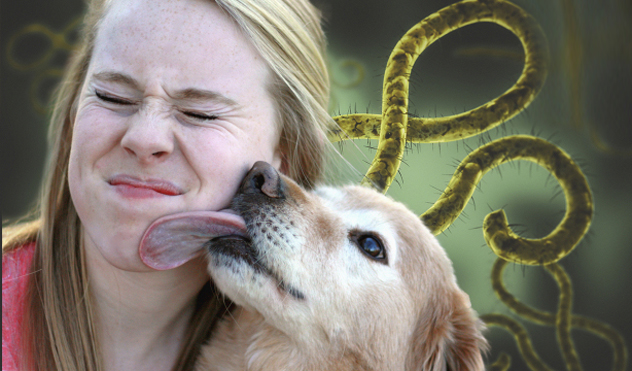
And finally, my favorite, “Reality Check: Does Ebola Affect Dogs and Humans in the Same Way?” from NBC Bay Area News (NBC: killing it on the Ebola coverage). This one I did kind of read, mainly because I care more about dogs than I do about people. Kind of like how Americans only really cared about Ebola when one guy in Dallas contracted it and not in all that time prior when thousands in Africans were dying from it. I mean, dogs are just better than us. That’s not opinion; that’s science.
The gist of the article is that basically even though we know more about Ebola than we ever have before, we have no idea what the virus does to dogs.
“So, can dogs be carriers of or get Ebola? If they can get infected with the virus, are they contagious to humans and/or other animals? And, should we treat dogs exposed to Ebola like humans and quarantine them?” the article asks. It later refers to a study done after a 2001 Ebola outbreak in Gabon that found that 25 percent of dogs developed antibodies to the virus, though none of the dogs had developed symptoms. (See, dogs are just better.)
But could you imagine if your best friend, that little fluffy puppers-face that you love playing fetch with and to whom you give copious belly rubs could actually carry some awful virus that would make your eyes bleed? That’s even scarier than Twisty the Clown. I mean, just barely, but it still is.
I can’t lie. I like butts. But really, who doesn’t like butts…or booties, or whatever you like calling them. I’m pretty sure if you could quit your job and just stare at butts all day, and still be able to pay rent and stuff, you probably would. I guess it’s for this reason that songs about butts do so well and/or are so memorable. They touch upon a deep-seated vestige of our evolution that dates back to when our ancestors didn’t have Netflix streaming accounts and their only entertainment—other than beating up one another—was staring at and commenting on nice butts.
Back in ancient times, in 1978, just two years after I was born, Queen released the song “Fat Bottomed Girls” on their album Jazz. “You make the rockin’ world go round,” legendary lead singer Freddie Mercury intoned in this classic rock radio staple. And he was right, of course, but I’d argue that it’s not just the “rockin’” world, but the world as a whole that relies on big booties.
Later, in 1992, a little-known rapper from Seattle, Sir Mix-A-Lot, released “Baby Got Back.” “My anaconda (he means his penis) don’t want none unless you got buns, hun.” A pretty bold statement. Here, Sir Mix is thumbing his nose at the supermodel culture that was so predominant at the time. Cosmo, as he later said in the song, had nothing to do with his selection process when looking for a potential mate. Still, technically doesn’t every woman—and human for that matter—have buns? You may have big, juicy buns or saggy, skinny buns, but you certainly got them. It’s semantics, sure, but I’m just saying.
“Baby Got Back” may have been Sir Mix-A-Lot’s only legitimate hit, but its influence over pop culture for the past 22 years has been far-reaching. Just go to any bar’s karaoke night on any given week in any given city in America, and you’ll be sure to witness two drunk friends belting out a sloppy-drunk version of the song. Besides that, though, Sir Mix-A-Lot’s anthem has recently been re-imagined as Nicki Minaj’s “Anaconda,” which samples “Baby Got Back” to the point where it’s almost the same exact song except with a few instances of Minaj warbling some lyrics over it. Not surprisingly, “Anaconda” is currently the No. 3 song in the country, according to the Billboard Hot 100.

However, Minaj’s song isn’t even the top song in the country glorifying butts. That honor belongs to 20-year-old Meghan Trainor and her mega-hit “All About That Bass,” which isn’t only a wildly successful single, but features a neat-o video with sassy dancing and was dubbed a “body image anthem” in the San Antonio Express-News. Trainor, as she states in the song, “ain’t no size 2,” but I definitely wouldn’t go as far as to call her chunky. She does defy the stick-figure, pop-tart stereotype, though, and, if her single is any indication, is damn proud of it. As well she should be, I suppose. We should all take pride in being who we are, though most of us rarely do. Funny side note: Trainor wasn’t even born when “Baby Got Back” debuted. Hope you feel as old as I do.
It’s not too difficult to understand why the song is so darn popular. It’s catchy as hell. It’s a pop song, a doo-wop song and a rap song all rolled into one. It’s almost as if it was genetically engineered in a lab to be perfect for the radio.
“All About That Bass” doesn’t just worm its way into your brain and burrow in there for days after you hear it, but it is also uplifting. There are positive messages in there such as “Every inch of you is perfect, from the bottom to the top.” You know, some real feel-good shit.

But—and maybe I’m thinking a little too hard on this one—there’s some dark stuff in there. Trainor sings, “I’m bringing booty back (which I realize is a bit of a pun, but, to my knowledge, booty never really went out of style)/Go ahead and tell them skinny bitches that.” I mean, if it’s supposed to be a song about female empowerment or whatever, I’m not sure why you throw a “bitches” in there. Might as well drop a few C-bombs while you’re at it. And if it’s a song about all your inches being perfect, from the bottom to the top, then what’s with the skinny shaming? I mean, if you’re so secure with your body, it doesn’t seem like you’d need to insult others for theirs. Elsewhere, Trainor sings that she was told by her “mama” not to worry about her size, because “boys like a little more booty to hold at night.” I mean, that’s true (at least it is for me), but I’m not sure it’s a good message to say that the only reason you want to have junk in your trunk is because dumb, stinky boys like me like it. You should do you, you know?
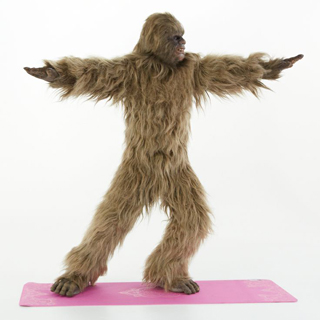
So, I tried yoga for the first time last weekend. The night before, I’d been at my favorite bar with my friend and girlfriend, and they were extolling to me the virtues of this ancient physical/spiritual/mental practice. You see, I’m very impressionable, especially when I’ve been drinking, and it sounded like a great idea.
I haven’t been feeling all that well lately. Nothing bad, mind you, just sore and stiff and out of shape. I have a very stressful job that takes up way too much of my time and energy. Really, I thought yoga would be the easiest way to go: I could exercise AND relax at the same time, get my mind right while I worked out my body. That’s multi-tasking, dude.
My girlfriend had been trying to get me to do yoga with her for weeks. We’d tried a few times, but were never able to coordinate our vastly different schedules with that of the yoga studio we wanted to check out. In truth, I wasn’t too upset about this. I’d rather spend what free time I have going to restaurants or bars or just lounging around the house playing video games. I mean, I like to be active or whatever, I guess, but honestly I was scared shitless to try yoga. I’ve seen how bendy you have to get, and I have a hard enough time bending down to tie my shoes. If I’m going to humiliate myself in public, I’d rather do it wailing out “Teenage Dirtbag” at karaoke. It’s a real crowd-pleaser, and I’m usually so sauced when I sing it, I barely notice that people are laughing at me and not with me.
But there I was at my favorite bar, two Guinnesses and a couple of Jameson on the rocks in, and as we were getting ready to leave, the bartender, whom we’d been chatting with all night, said to the three of us, “Hey, do you want me to buy you a shot before you go?” And of course we said yes, and as I slapped my empty shot glass down on the bar top, I said to my girlfriend, “Yeah, let’s do yoga tomorrow.”
When I woke up the next morning, I remembered my promise. Unfortunately, so did she. We opted to go to the “gentle” yoga class offered at a studio near our house. It was gentle, right? What could go wrong?
I’d been warned that I’d hate it my first time. That didn’t really get me excited to give it a go, but I figured, like any kind of exercise, it was going to suck starting out, especially since I’ve been more or less inert the past year or so. Still, in the back of my mind, I couldn’t help but scoff. I mean, like, it’s just posing and stretching or whatever. It’s not like I’d be trying to bench press a pachyderm. When we got there, a kindly woman quite a bit older than me greeted us. She had a very relaxed demeanor and a calming voice. As it turned out, she was our instructor. My scoffing seemed justified. After all, if she could do it…
So there I was. On a mat. Barefoot in public, which always weirds me out, and sitting cross-legged as that yoga-y music played softly in the background. The studio smelled nice. I started to feel at peace. You know, I didn’t even mind being barefoot…in public.
Then we started posing and whatever sense of peace I was feeling was quickly shattered.
If I had the money to hire a lawyer, I probably could have sued the studio for false advertising. “Gentle” seemed to be a total misnomer. The instructor urged the class to focus on “the breath,” but I had a difficult time focusing on anything as I huffed and strained and did my best to contort my flab into the positions our matronly looking instructor was able to fold herself into with ease. At one point, we sat with the soles of our (bare) feet touching and were instructed to stretch our arms straight out, clasp our hands together, entwine our fingers and extend our index fingers. We were then told to focus on the point our index fingers had made and bend forward and hold and focus some more and breathe. The last bit was the most difficult part.
“Feel the electricity flow through your fingers,” the instructor said. If by electricity she meant “searing pain,” then I definitely felt it, but it wasn’t just flowing through my fingers.
When we got to the part where you rest and reflect or whatever, the teacher said to take stock of how our bodies felt. Admittedly, I felt awful, but I was kind of stoked that I made it through, and I didn’t even complain. I mean, not audibly. The good thing about having a column is you can complain all you want without making a bunch of noise. That’s a much more holistic way to go about things. Give it a try sometime. Namaste.
Gentrification has become all the rage in cities all across the country. I love words like “gentrification” because they’re so heavily coded, but we all know what they really mean without having to say it. Like, if I just threw out the term “urban streetwear,” you’d know what I meant… I mean, come on, you know, right?
We can probably all think of what neighborhoods used to be “bad,” whatever that means, but are now littered with cute shops and places to buy darling cupcakes and/or get an overpriced but just so delicious cup of coffee (and the “barista” is so hot!). However, I was always interested in the changeover. Like, who were those first few pioneering “young urban professionals” who bravely marched into a tract of city squalor and saw an unpolished gem—a diamond in the societal rough?
Let’s say, for example, you and your boo hopped on your bikes in search of a new apartment. Now that “everyone” has found out about your current neighborhood, your landlord wants to raise your rent, and you simply can’t afford it because your boutique vinyl- and cassette-only record label continues to return meager profits. You’re on the hunt for the next Hipsterburg, U.S.A., get lost near the freeway and happen upon a few blocks of “undiscovered” paradise. OK, so you’re not sure if you’d eat at those restaurants (do they even have “gluten-free” options?) and the apartments look like they could use a thorough fumigating, but the place has good bones. There’s only one problem: the current inhabitants look kind of stab-y. I mean, just because they’re…you know…poor…does that mean they’re dangerous? IF ONLY THERE WAS SOME WAY TO KNOW HOW SKETCHY THIS AREA IS BEFORE WE TAKE ADVANTAGE OF ITS CHEAP RENTS AND PRICE THE CURRENT RESIDENTS OUT OF THEIR HOMES.
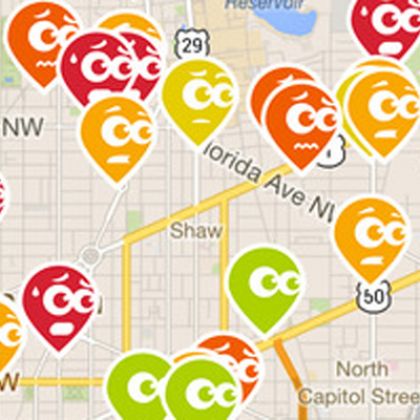
As the saying goes, there’s an app for that. Welcome SketchFactor, a smartphone app that crowd-sources its users to determine which neighborhoods are “sketchy.”

Maybe I’m being a bit harsh, but the founders of SketchFactor—New York City residents Allison McGuire and Daniel Herrington—have become used to being on the hit list in recent weeks. The duo—who are on the lighter shade of pale as far as their skin color goes—have come under fire for creating a racist app, whether or not that was their intention. The homepage of Sketchfactor.com features a letter addressing the controversy their fledgling app has raised, insisting they’ve created something that “is a tool for anyone, anywhere, at any time.”
“We’re disappointed that certain publications have taken a super silly picture and done so much to slam us without actually talking to us,” the letter goes on to say. “People are entitled to their opinions. That’s legit. But slamming SketchFactor without having a conversation is unprofessional.”
The homepage also includes a link to a YouTube video dubbed “SketchFactor Teaser” that features creepy music and a “diverse” group of testers messing around with the app and trying to be funny (I think), though it doesn’t really show what it does or how it works or really anything of real value. The app’s logo, an inverted teardrop-shaped blog with shifty eyes, also kind of bugs me out.
“The whole premise of this app is we let everyone define sketchy on their own,” Herrington said in an interview with New York Daily News.
I guess that makes sense. I mean, what is “sketchy?” It’s another one of those coded terms, but what’s sketchy to one person may not be for another. A side of a building heavily tagged with graffiti could be artsy for one and an eyesore to another. If you’ve ever waded through a bunch of self-absorbed pissy Yelp reviews when trying to decide if you want to check out a new restaurant, you’re probably familiar with the old adage that opinions are like assholes and they all stink. (You probably also know that it’s likely not a coincidence that the name “Yelp” is strikingly similar to the sound a small, annoying dog makes.)
The app and the people who created it may or may not be racist, but critics of SketchFactor fear that it could be used as a tool for amateur racial profilers. As Emma Cueto pointed out in her article on Bustle.com, “Obviously, all people have a right to be, and to feel, safe wherever they are. But it’s also an inescapable truth that white people have a tendency to find people of color sketchy—after all, a sizable number (up to 46 percent in some instances) are willing to come out and blatantly say they support police using racial profiling.”
The “46 percent” statistic she’s referring to is from a 2004 Gallup poll on racial profiling, in which 46 percent of non-Hispanic whites admitted they believed the practice was justified at security checkpoints in airports (though it found less support among whites in other situations).
So do I think SketchFactor is racist? No. It’s an app. Apps aren’t racist. They’re software. They don’t have feelings or opinions. People, on the other hand, are an entirely different matter.
Dude, did you hear that Facebook might have used you as part of a psychological experiment? Like, without your permission? DUDE! It’s true.
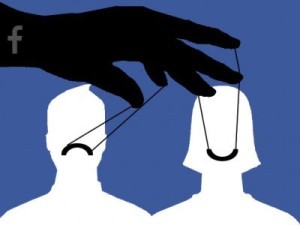
Back in 2012, which seems like the distant past now, Facebook conducted a week-long study on more than 689,000 users without their knowledge. What they did was introduce more positive or negative posts to the feeds of those “involved” with the study and tracked whether or not it influenced those users to post more positive or negative items. What they found was a correlation: Those who were exposed to more sad stuff posted sad stuff, and vice versa (maybe this explains why that one sad panda friend of yours is so morose all the damn time, and you want to be all, dude, the barista at Starbucks gave you one too many Splendas…it’s just a coffee, dude, it’s not the end of the fucking world!).
The study was authored by three scientists (Adam Kramer, Jamie Guillory and Jeffrey Hancock) who were looking for evidence of “massive-scale emotional contagion through social networks,” according to the title of the study posted on PNAS.org.
“This work also suggests that, in contrast to prevailing assumptions, in-person interaction and nonverbal cues are not strictly necessary for emotional contagion, and that the observation of others’ positive experiences constitutes a positive experience for people,” the authors wrote in the abstract for the article.
This seems all well and good. Nothing was really gathered or stolen from these nearly 700,000 Facebook users without their knowledge. The researchers were merely manipulating them to see if they were on to something with their hypothesis. What’s the big deal?
Well, you should know by now that everything nowadays is a big deal. This past weekend, news spread that this study had taken place and people were pissed.
“What is the point of this research? Why is it being conducted? Is it purely an academic exercise, or could it be used by some unscrupulous party to mess with people’s feeds and moods on a regular basis?” Mark Sullivan wrote on June 28, 2014, for Venturebeat.com, which included an image of Alex (played by Malcolm McDowell) from Stanley Kubrick’s A Clockwork Orange enduring The Ludovico Technique to accompany the article.
In their own article on the story, Financialtimes.com included a tweet from Brightwork CoResearch founder Jacob Shiach, which read “Facebook manipulated the emotions of its users. Unethical? Yes. 1984? Yes.” Referencing, of course, the classic George Orwell novel 1984.
I suppose this whole thing does have a hint of an Orwellian nightmare to it. Big Brother watching over you and all that…manipulating what you do and say without your knowledge. Yeah, Ok. I guess it does. But Facebook isn’t an oppressive government that you can’t avoid or are powerless to act against. It’s a fucking website where you post pictures of your cat (or in many cases other people’s cats) doing zany-ass shit. It’s where your mom leaves you indecipherable messages because she’s really bad at typing on her new iPad. It’s the place where a shitty concert photo can get more than 100 likes from your friends because you can almost kinda sorta see Damon Albarn on stage if you squint real hard.
And while those involved in the study were unaware that they were a part of a psychological experiment, they weren’t involved without their permission. Kramer, Guillory and Hancock’s paper points out that all Facebook users consented to the possibility of being used in studies when they agreed to the site’s Data Usage Policy, according to the Venturebeat.com article.
If it really bothers you that your emotions were being toyed with you could always just delete your profile, you know. It’s not that difficult (actually, it is pretty difficult because Facebook asks you at least a million times if you’re sure you want to delete it, but you know what I mean). You shouldn’t agree to things you don’t agree with no matter how much peer pressure is involved. That’s what being a grown up is about, dude…or at least that’s what I’ve heard.
I’m not denying that Facebook doesn’t have influence. It has a population more or less equivalent to that of China, and we know how powerful they are. But at the end of the day, Facebook is just a product that you choose to partake in. Go on. Leave if you don’t like it. It’d be social suicide, but you know, your choice.
Honestly, though, I would like to know if I was one of the people involved. And if not, why not? People like my posts, I have 500-something friends, I’m easily manipulated. I matter, damn it! That’s why I post shit online!
Transformers: Age of Extinction
Rated PG-13 • { 1.5 of 5 stars }
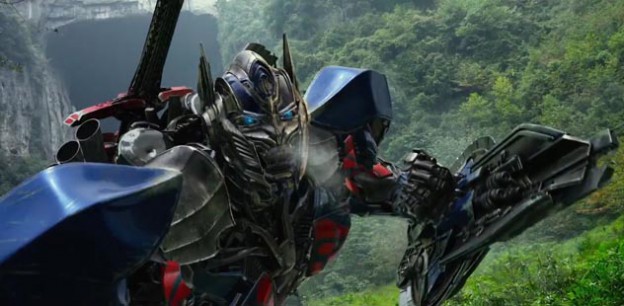
Since their debut as a line of Hasbro toys in 1984, the Transformers, specifically the heroic Autobots, have had to stare down many a nasty foe in order to fight the good fight and protect the human race. In the latest film installment of the franchise, Transformers: Age of Extinction directed by explosion-happy director Michael Bay, Autobot leader Optimus Prime and his small group of ragtag troops go up against what is perhaps their greatest threat to date: unchecked, ruthless capitalism. Do these armed-to-the-teeth, “more than meets the eye” robots stand a chance? It takes Bay and company nearly three hours to deliver an answer.
I’m not one to harp on movie lengths, but Transformers: Age of Extinction clocks in at 165 minutes. To put that in perspective, Stanley Kubrick’s 2001: A Space Odyssey runs slightly shorter (159 minutes). However, the latter attempts to draw a timeline from the dawn of man to the exploration of space and grapples with humanity’s purpose and place in the universe, whereas the former is about talking robots that can change into fancy-ass cars and stuff. Maybe I’m just bitter, because halfway through, I really had to pee.
Age of Extinction is certainly the biggest installment of Bay’s Transformers movies, and not just because of its ponderous (and I mean really ponderous) run-time. For the first time, Bay has a legitimate action hero-type leading man. Scrawny weirdo Shia LeBeouf is out, and in his place is hunky everyman Mark Wahlberg, perhaps the only actor in Hollywood cool enough to grab drinks with Optimus Prime after a long day of shooting.
Here, Wahlberg stars as Cade Yeager, a quintessential lovable loser. He’s an “inventor” who lives on some out-of-the-way Texas ranch with his scantily clad/smoking hot daughter Tessa (Nicola Peltz) and, when he’s not trying to micromanage every aspect of her teenage life, spends most of his time tinkering with electronic gadgets in hopes that he’ll stumble upon the one golden gizmo that will help him turn his shitty luck around. One day he finds an old, beat-up semi truck in an old, beat-up movie theater (still not sure how it got in there) and brings it home, only to discover that it’s no ordinary semi.
It’s Optimus Prime, of course, voiced by Peter Cullen. Prime is in hiding because of some crazy shit that went down in Chicago in the previous film that left the Windy City all sorts of fucked up.
The fallout from that incident has changed the public’s opinion of the Transformers, even the heroic Autobots, who are now being hunted by relentless CIA agent Harold Attinger (Kelsey Grammer) and his clandestine cohort Lockdown, a vicious robotic bounty hunter who can transform into a sweet Lamborghini Diablo.
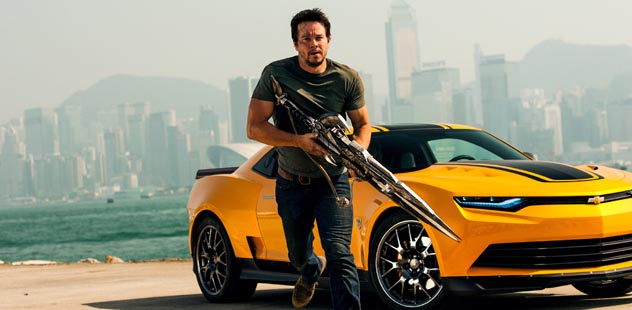
Lockdown a total badass. He’s got a giant space ship, a cruel mind and ferocity in combat, but he’s not even close to being the most frightening enemy here. What the Autobots really have to combat is human greed, which seems endless in Age of Extinction. Governments and entrepreneurs are in a race to crack the Transformers’ code and to exploit it for technological and financial gain. Stanley Tucci plays Joshua Joyce, the Steve Jobs-esque mastermind of KSI, a corporation that is close to mapping the Transformers’ genome. Using scraps from deceased Autobots and evil Decepticons, KSI has mined a metal they’ve dubbed “Transformium” (no, seriously), and if they’re able to harness it properly, it will, of course, change the world. Joyce makes a deal with the devil, forging an alliance with Lockdown and Attinger, and seems pretty hell-bent on stopping at nothing to achieve his goals (and rake in the profits while he’s at it).
All this just makes Optimums Prime sick. He’s a good guy, probably the most heroic, altruistic character of my childhood, but how can he still fight for what’s right when the humans have turned their backs on him and melted down his fallen comrades into ore? He struggles with whether or not he even wants to save humans from apocalyptic threats anymore. Even after a rousing bro-to-bro pep talk from Cade, Optimus is still not sure. Has his indomitable spirit finally been crushed?
I found it helpful to think about these things while watching Age of Extinction, because it was probably the most mind-numbingly dumb movie I’ve ever seen. It’s like one long commercial for General Motors’ new line of cars, set to tunes by Imagine Dragons, with some attractive people bickering at one another, robots and explosions tossed in as a garnish. Normally, dumb wouldn’t be a problem, but I feared nearly three hours of thoughtlessness at my advanced age could lead to permanent brain damage. I mean, you should probably go see it because everyone else will, and you don’t want to be left out. Chicago gets blown up again. You’ll love it.
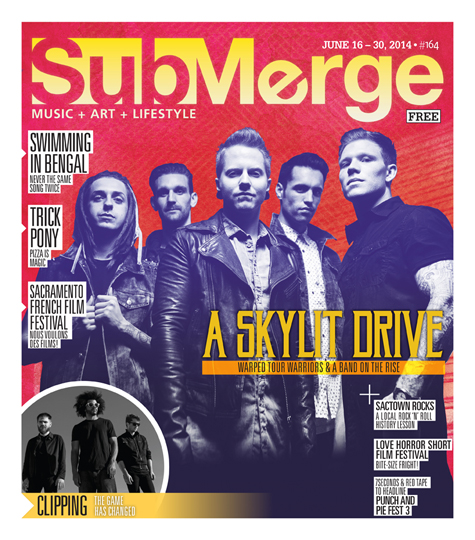
A Skylit Drive comes into their own on their latest album and gears up for another Warped summer
Summer. It’s as if just the sound of the word can make you feel young again. It conjures memories of skinned knees, camping, day trips to the lake (any lake, just pick one) or endless carefree hours at the beach. Fun? You bet, but all that running around, traveling and carousing can also be exhausting. Just ask Michael “Jag” Jagmin, vocalist for Lodi, California’s A Skylit Drive. This summer, he and his band mates will be taking part in another great seasonal tradition, the Vans Warped Tour, which turns 20 in 2014.
Since 1995, the Vans Warped tour has become synonymous with summer, especially for bands and fans of punk, hardcore, metalcore, emo and any and every hyphenated-hybrid thereof, and it’s not difficult to see why. The tour brings a veritable army of bands to fields, parking lots and amphitheaters all over North America. This will be A Skylit Drive’s third stint on punk rock’s most popular traveling circus.
The band had recently hit the road in support of their latest album, Rise, which was released in September 2013. Their fourth full-length album, Rise was something of a coming of age for A Skylit Drive. It boasts a bolder sound than their previous efforts thanks in part to a more painstaking writing and recording process, according to Jagmin.
The band first entered into pre-production with Jim Wirt (Hoobastank, Incubus, Something Corporate) as well as Mitchell Marlow and Kit Walters, who worked with A Skylit Drive on their debut Wires…and the Concept of Breathing before nailing down the finished product with producer Cameron Mizell at Chango Studios in Arizona.
Jagmin says this was the first time the band really had the opportunity to take their time recording an album, and he was really pleased with the results. In the past, however, writing and recording had to be done at breakneck speed.
“Everything is so fast-paced, there’s not a lot of planning that goes into it,” Jagmin explains. “You put out an album, and a year later the label is knocking down your door for the next one. And it’s like, what’s the game plan? And they’re like, you’re going here for a month, and that starts in three weeks. So we’ve got three weeks to write and a month to record, but we’re probably going to be writing that month in the studio as well. That was usually how it went.”
With a few successful albums under their belts, A Skylit Drive felt confident enough to speak up about how they wanted to do things.
“We put our foot down and wanted to take our time,” Jagmin says. “We weren’t promising when this album was going to come out. We wanted to make the right album…just give us the time, and we’ll give you the album. Things finally went and operated the way we wanted them to.”
Determined to take a more methodical approach to recording, A Skylit Drive left Fearless Records, which put out the band’s previous two albums, and returned to Tragic Hero, which released their aforementioned debut.
In the following interview, Jagmin speaks more about Rise and the band’s return to Tragic Hero and also waxes eloquent about the trials and tribulations of having so much fun in the sun on Warped Tour.
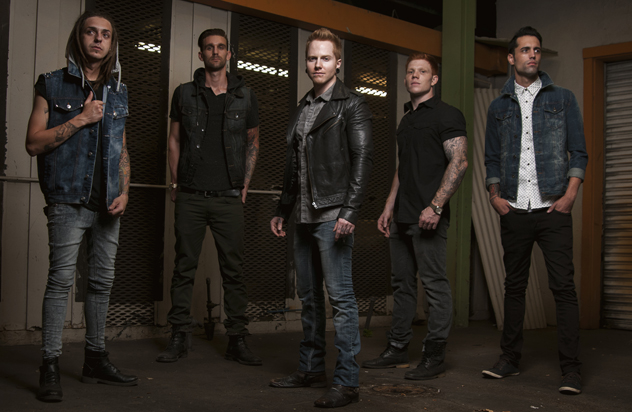
Was taking your time in recording something you brought to Tragic Hero but weren’t sure how they’d take it?
No, that was one of the biggest draws. Fearless is a powerful label and an extremely capable label, but our biggest concern with this album—being our fourth full-length, and we’re not a new band anymore—we wanted that time to work on it. And we also knew that it was going to need a little extra attention. On Fearless, even that label has competition with all these bands in the same genre, and it’s kind of overwhelming. We just felt that for where we were and where we are in our careers, going back to Tragic would have been a smarter move, to be back on a label that could hone in on us.
It must have been cool to go back home, so to speak, and it definitely worked out, because it was your biggest charting debut weekend, and their best seller as well.
I’m sure every band says this, but even a year later, this is the best album that we’ve ever done. The way that we wrote it, the time that was spent on it and the fact that we were able to do it the way that we wanted to do it, that kind of freedom had never been offered to us.
Was there anything you missed about the fast-paced recording process?
I would never want to do it at a fast pace again. It’s amazingly stressful. You don’t get to try all your ideas. You’re left listening to the album for the rest of your life hearing all the things you’d wished you’d done differently. Even on Rise, I’m sure I’ll hear one or two things that I’ll think could have been slightly cooler, but on the other ones, all the way through, I’m like, man, we could have worked on this so much more had we been given more time.
This will be your third time on Warped Tour this summer. Do you have a certain way of preparing for it? It’s such a long haul with a lot of long days.
As for performance and such, we prepare the same as we would for any other tour. As far as preparing for the long, grueling days, that comes with the experience of doing it before. There’s no real way to prepare for it. It’s not like we go running around outside, because even doing that, that doesn’t really get you ready for that. Sure, you have a bus or a van to go back to, but it’s not like going on a run because you’re whole day is different every single day. There’s no plan to it until when you wake up. You wake up, and it’s like, “Oh, you play at 1 today.” I just got up at noon, and I’ve got to play in an hour, or you woke up at 10 a.m. and you have play in an hour and a half. It’s like, oh crap. Time to wake up. Then it’s like, you’ve got a signing at this time at this tent. You have to do this at this time. It’s like, alright, I guess that’s my day.
When you’re in it, it must seem pretty hectic, but at the end it must felt like it all flew by…
I don’t know. Both times that we’ve done Warped, it definitely felt like it was as long as it was. As far as I remember, the days do not fly by. It’s just so hot, every day is a long day, and by the end of it you just can’t wait to go to bed.
As a vocalist, it must be tough on you not knowing when you’re performing. When I wake up and I just speak I sound like crap, so it must be a lot tougher for you considering you have to sing in front of so many people every day on the tour.
Yeah, it’s definitely a whole different experience. You’ll hear a guitarist complaining before having to go on early, and it’s like, your guitar doesn’t have to wake up. It sounds the same whether it has gotten an hour of sleep or slept all day, whereas I am my instrument. That definitely makes it harder, not having that repetition for your body to get used to. On a normal tour, your body almost naturally starts getting used to you performing at a certain time. Your body knows when it’s game time. On Warped Tour, you have to force the game time. There’s almost no perfect time for you to play for your body. If you play too early, you didn’t get enough sleep; if you play toward the end, almost all of your energy is gone because you’ve been waiting to play all day, and you’ve been out in the sun all day. I feel like most bands shoot for that middle of the day spot, because you’re finally awake, and the sun hasn’t sucked all the energy out of you just yet [laughs]. Every day is a different thing. I don’t think there’s any way to prepare for it.
All that being said, this is your third time doing the tour, so it must be something you really enjoy.
Oh yeah. All of this stuff about being tired, it’s not me saying all that sucks. It really is the best experience. It’s like mobile summer camp. I remember doing summer camp, and those days were tiring too. You’re running around, doing the [Water]Blob thing in the lake, playing games and everything, and by the end of the day, you’re knocked out, but you’re having such a great time. It’s definitely the most taxing tour I’ve ever done, and I’m pretty sure it’ll always stay that way, but at the same time it’s the most memorable tour I’ve ever done.
Michael “Jag” Jagmin on Game of Thrones
I saw on your Facebook page, you made a comment about this season of Game of Thrones. How are you enjoying the fourth season?
I don’t think I can handle anything else. Just when you think something is going one way… I could tell you that something is going to surprise you, but it will still surprise you. That’s the beauty of it. It’s almost like it’s right in front of your face, what’s going to happen, but you ultimately have no idea. As soon as it happens, you feel dumb. Like, Really? How did I not see that? That’s what makes the show so great. It can deviate you for that one second and then just sucker punch you.
How did you get into the show?
I started watching it in between the second and third season. Someone gave me the first and second season to watch. If I remember correctly, it lined up that as soon as I finished the second season, the third season started up. It was a major blessing, because I thought the first two seasons were the hardest to get through. All the characters were so overwhelming. To this date, I still don’t know all their names. I have not memorized the names. If someone from this house is talking about someone from another house, I have no idea who they’re talking about. I’ll pause it and google that person’s name and be like, oh OK, that’s who it is.
They should have an onscreen Wiki so you know who everyone is.
Yeah, or one of those pop-up bubbles like I Love the ‘90s. They should just have the person’s name pop up with an arrow that says, “This is so and so from the House Baratheon.”
Were you stoked when King Joffrey was killed? Because I jumped out of my seat.
Oh man. I almost kicked the cat. That was one of those shocker moments where I wanted to high five everyone I didn’t know.
The Vans Warped Tour rolls through the Sacramento area with a stop at the Sleep Train Amphitheater in Wheatland, California on June 26, 2014. A Skylit Drive will perform along with Finch, Saves the Day, Anberlin, 3OH!3, Bayside, I Fight Dragons, MC Chris…and pretty much every band ever. Go to Vanswarpedtour.com for a full list of performers and also to purchase tickets.