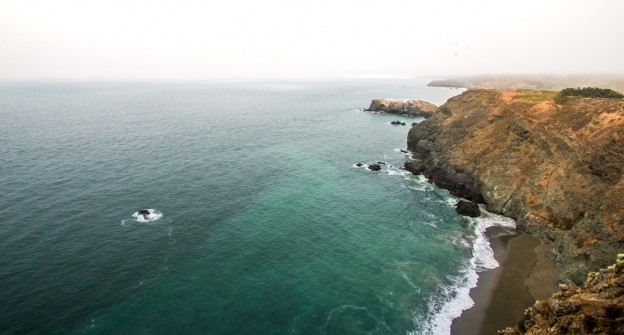
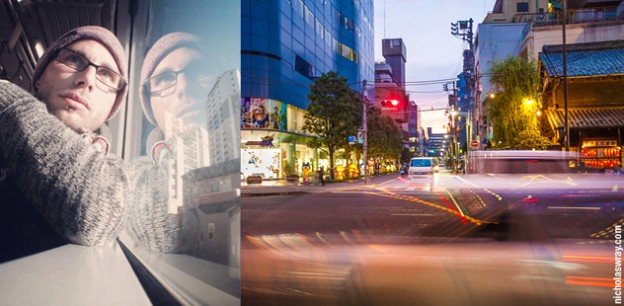
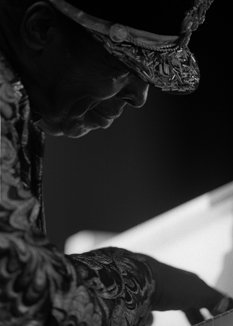
Working as my own boss sometimes includes weekends glued to the computer—writing, editing, internet surfing … when all of a sudden I glance at the upper right hand side of the computer screen and realize it’s 5 p.m. on a Saturday. What have I done? I haven’t seen the sun today and as I browse through Instagram and I see my friends relaxing on rafts, sipping wine and exploring cool waterfalls, I realize I’m doing something wrong.
I don’t need Wi-Fi for most of my work, so why always be connected? So, I introduce to you my mini series I’m calling, “Office Anywhere.” This week’s focus: the Marin Headlands.
As a side note, you do not just have to go here to work. It is a beautiful place that can be explored for hours on end.
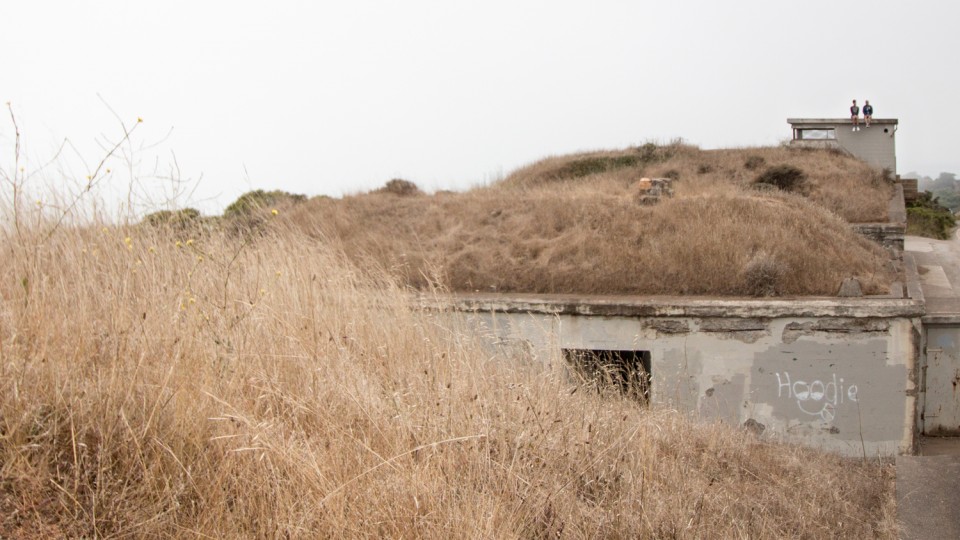
{Two boys sitting atop Battery Rathbone McIndoe}
Well-known Sacramento photographer Nicholas Wray and lesser-known Sacramento photographer, myself, decided we had enough of urban, coffee shop work days, day after day after day. Nick recently invested in a pimped-out, ultra-hipster, dirtbag climber van, equipped with lighting and electricity powered by solar panels—perfect for plugging in a laptop on the road. So, on Thursday we headed for the coast in search of a better work space.
We spent the first two days in one of my favorite little coastal towns (if I told you the name of it, I would have to kill you. It’s a well-kept secret that will stay well-kept with me, at least for now), parked next to the beach, opened all the doors and started up shop. Surely, folks who walked by scoffed at the fact that we were on our laptops instead of experiencing the scenery, but we were experiencing the scenery, also while getting work done.
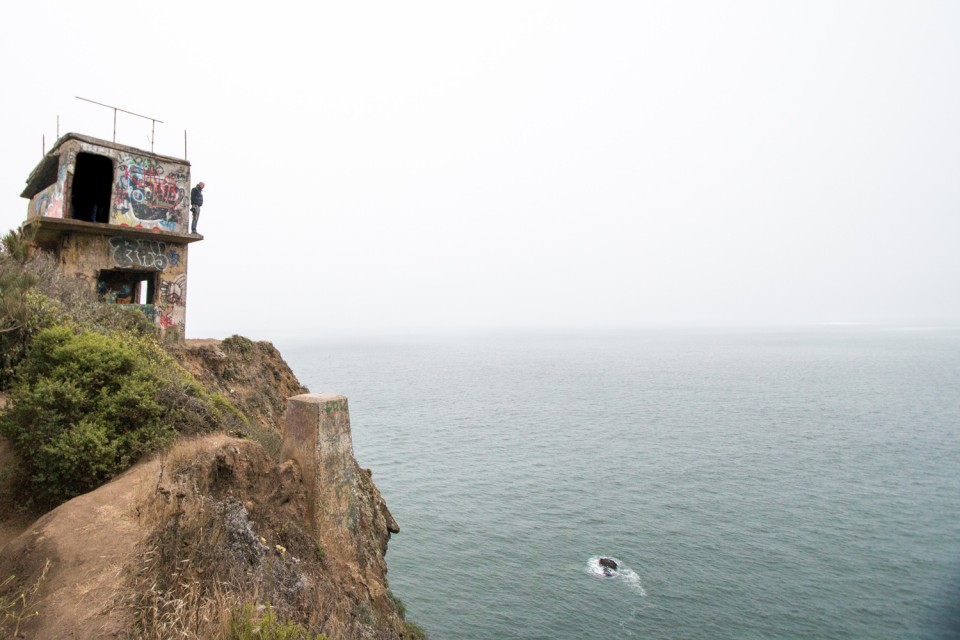
{Battery Mendell}
On Saturday we grabbed breakfast after hanging out with our new Aussie friend who was exploring California on a motorcycle and headed toward the Marin Headlands. All I really knew about the the headlands was the over-populated lookout point providing a view of the Golden Gate Bridge and the city. Passing that, we headed down the road, further and further; no semis allowed. The road was steep and windy and the fog weaved in and out of the trees surrounding us. As we continued to drive we came across old buildings, tunnels and cement forts peeking out from behind the fog.
Continuing down the road did not cease to amaze—surrounded by peninsulas with violent waves crashing on the giant coastal boulders, little trails leading to abandoned fortresses overlooking the ocean or buried under the earth and giant buildings at the bottom of the hill that looked like something out of the movie, The Grand Budapest Hotel.
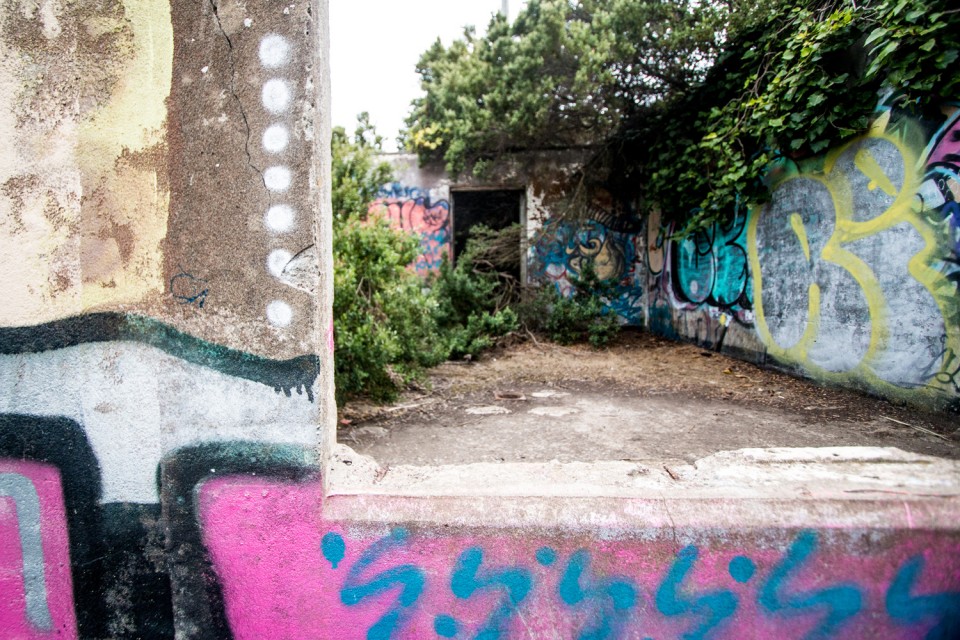
{Battery Wallace #2}
Here is a list of things to do and see there. Some of these I experienced, but many I need to go back for:
Hawk Hill (aka Battery 129), a historic military site with tunnels, gun pits and supposedly great bird watching, but all I saw was bright white fog.
Just down the road and to the left, a trail down to Black Sands Beach. Unfortunately I found out about this one after the trip.
Battery Mendell: My favorite part of this one was the smaller fort up the hill. We stood on the balcony of the old deserted fort looking out over large cliffs to the Pacific Ocean (er … Gulf of the Farallones—gotta get to the Farallon Islands one day).
Obviously, the Point Bonita Lighthouse. Though, I will say this was the most touristy of all our adventures and although beautiful, not my favorite stop.
Walking into the Marin Headlands Hostel, the pleasant aroma from organic, homemade dinners floated throughout the high ceilings of the kitchen. We didn’t stay here, but I’m definitely going back for this one. Must book in advance.
Finally, you must head to Rodeo Beach for either a morning surf session or simply to be in awe of the beauty of the sea. The coastal trail just at the end of the road is a nice, easy hike that provides views of the ocean … maybe a little too close to the edge of the cliff.
After a day of exploring we parked the van down at Rodeo Beach for some dinner and work. Opening the backdoors to the moist fog air and listening to the sound of the small pebbles move with every crashing wave, was, well, the best office I’ve ever had.
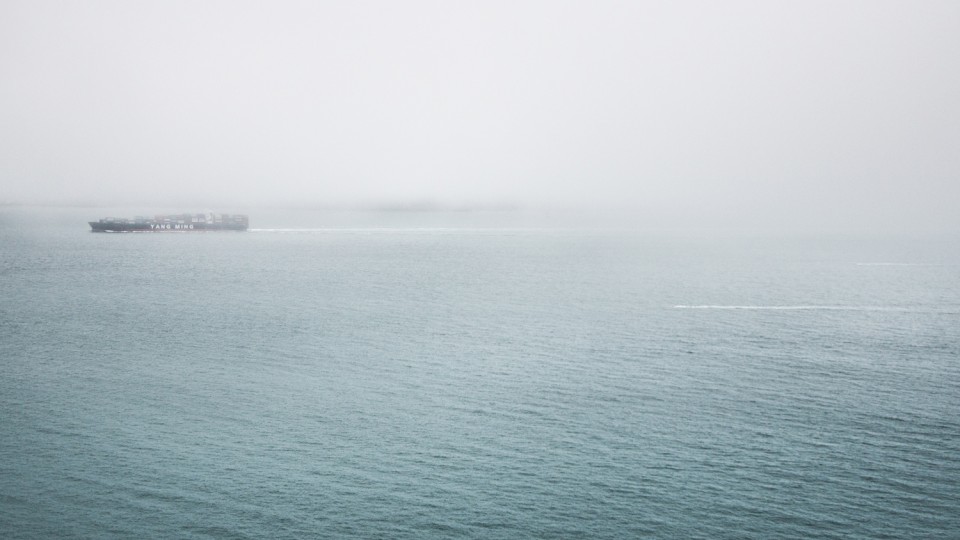
{Battery Mendell lookout}
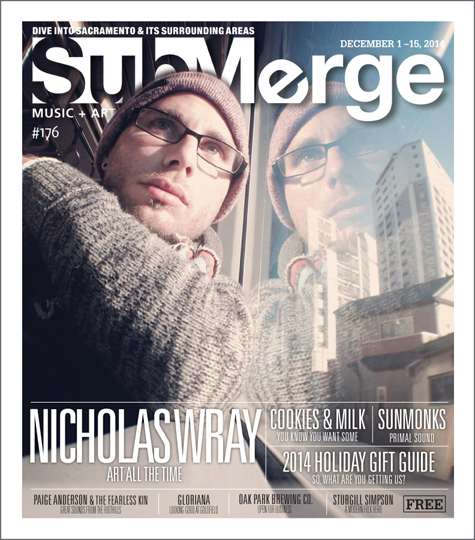
Photographer Nicholas Wray showcases his journey to Japan in new exhibition and book
Hailing from the intersection of the Ohio and Licking rivers, former geographer-turned-photographer Nicholas Wray is no stranger to picking up and hitting the open road. From moving from Cincinnati to Sacramento in 2006 to shooting the arid plains of Zion National Park, Wray’s penchant for exploration doesn’t only fuel his artistic passion but feeds his professional endeavors as well.
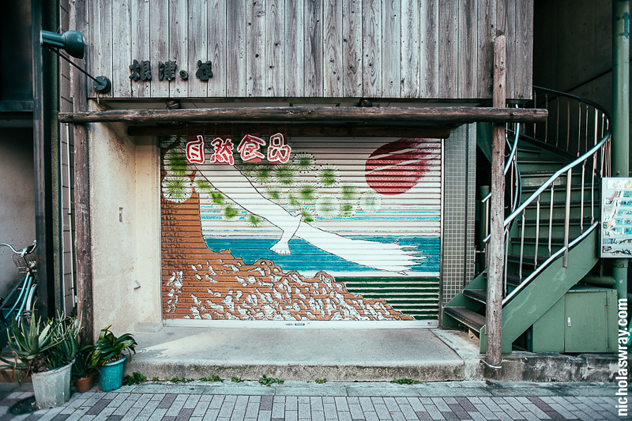
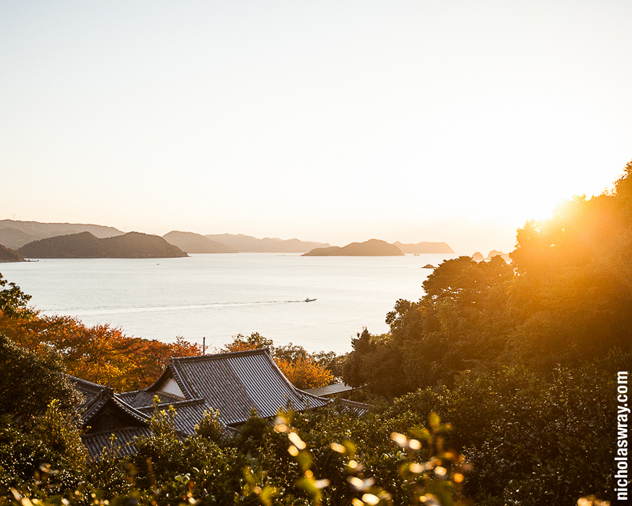
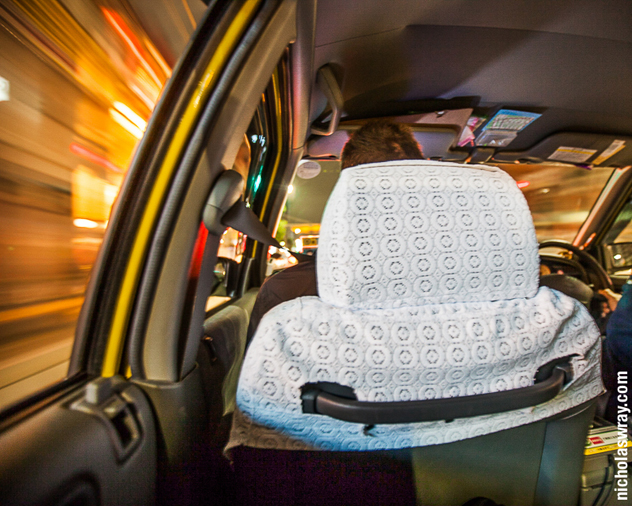
The proof is in his latest exhibition, simply titled Japan, in which his candid and colorful images of everyday street life in the Land of the Rising Sun adorn the walls of each of the three Insight Coffee Roasters locations. And, at the behest of a friend at the coffee shop, the photos were also assembled into a photo book worthy of adorning the best coffee tables in the world. The series, divided into five sections and scattered between the trio of coffee houses, touches on the many highlights of Wray’s travels: “Architecture,” “Culture,” “Street Life,” “Graffiti” and “Bicycles.”
“Whenever I travel I do this. I have a lot of prints at my studio and tons of photos that just kind of live on my server, so this was the first time that I have printed them super small and priced them super cheap so that people can afford them easily,” Wray explains.
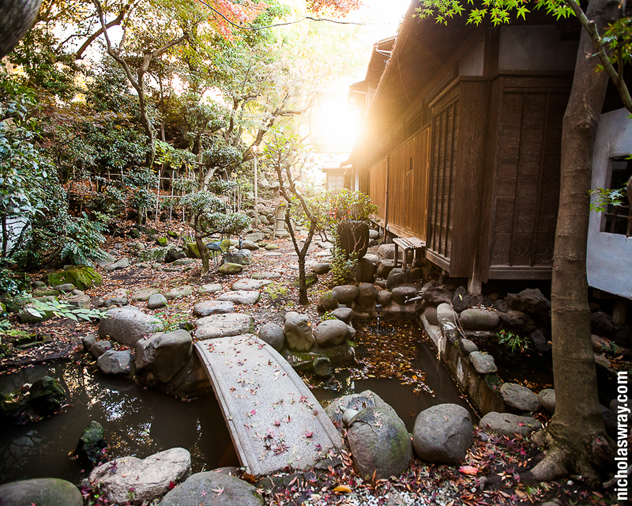
Although the Ohio transplant rolled up to the interview on a motorcycle and sporting a weathered leather jacket, Wray isn’t brash or cocky. Quite the contrary, his quiet demeanor and unassuming nature bucks many of the stereotypes that are typically associated with those working behind the lens. You won’t find him sexually harassing models, attending the incessant parade of networking events that so many artists find themselves engaged in or stroking his own ego.
“This is the first time that I’ve done a show this big, like three coffee shops. I know it’s just coffee shops, it’s not a gallery—I mean I wish I was as cool as someone like Micah Crandall-Bear [and] had Elliott Fouts Gallery showing my stuff every month, but I’m just not that cool,” he says with a wry grin.

Wray’s journey into mastering shutter speeds and F-stops began as his college career was winding down at Northern Kentucky University. After applying for graduation he was advised, a few months shy of claiming his cap and gown, that he needed a minor in order to secure his degree. Uninterested in spending thousands more in man hours and cash, he leafed through the course catalog and it occurred to him that he could revisit his childhood hobby while locking down a minor—photography. He immersed himself in the course work: shooting in black and white film, rolling his own film, editing and enlarging images in the dark room and within a year acquired that prized piece of paper validating his education.
“I think I pretty much took really bad photos up until my very last class,” Wray muses. “That’s when I kind of started doing this street photography. I was in school, working like three jobs and the only time I had [to shoot] was at night. I was out in the snow at night without a tripod just shooting hand-held on film so I made this series of photos of laundromats all over Cincinnati.”
From skateboarders to musicians to commercial products, Wray’s professional portfolio is a robust exploration of the people and places that contribute to the diversity and color of Sacramento. If you’ve attended the annual summer concert series, Concerts in the Park, or witnessed the awesomeness that was this year’s TBD Fest, you may have even landed in the frame of one of his photos. But after years of hustling and struggling to turn his creative pursuits into a viable business, success brought with it an unexpected problem: He was overworked and in desperate need of a break.
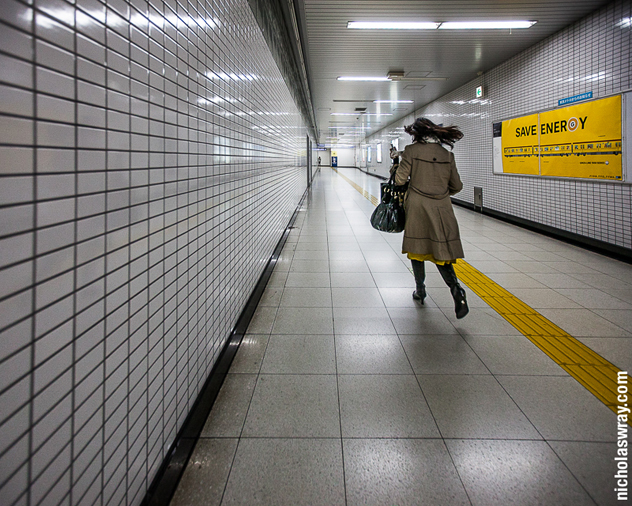
“So, I had been taking photos in Sacramento since 2009 and then after [my business] started to take off I was really, really busy for a couple of years,” Wray explains. “I was doing nothing but working—it felt like I was working 18-hour days, seven days a week—so I bought a plane ticket to Tokyo. I wanted to go somewhere super urban and really far away where I would have no understanding of the culture.”
So last October, after booking a ticket and packing his gear—consisting only of a backpack filled with a change of clothes, his camera, a couple of lenses and a laptop computer—Wray set out on a two-week tour of Japan, immersing himself into the culture and shooting everything in sight. Five thousand shots later, Wray had a collection of images depicting shimmering seascapes, people scurrying around the city going about their daily business, bicyclists snaking through traffic and gleaming skyscrapers towering above it all. And while he didn’t speak the language, Wray says his experience with the locals was nothing short of wonderful—from the hostel mother who picked him up on the side of the road to the hospitality of strangers taking him into their homes and feeding him, Wray was in good hands for the entirety of his adventure.
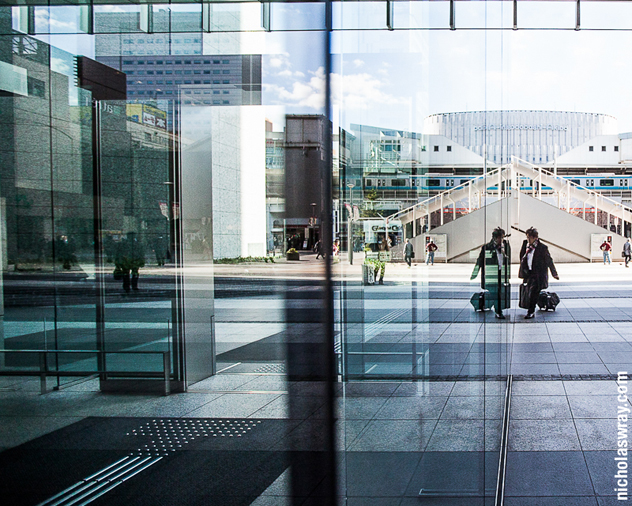
“People were really polite…just really nice people. I guess I shouldn’t be surprised by that—I guess I’m acknowledging that it was a really pleasant place to be,” he admits.
Upon Wray’s return, the images languished on his computer for months before he embarked on the arduous task of wading through the thousands of images captured on his journey and whittling them down into something manageable. Soon a series materialized and Wray decided that it was time for the images to emerge out of their cocoon and blossom out into the world. He presented the idea to his friend, Chris Ryan of Insight Coffee Roasters, to exhibit the work in each of its coffee dens, and after receiving an enthusiastic yes to his proposal the two began planning out the show.
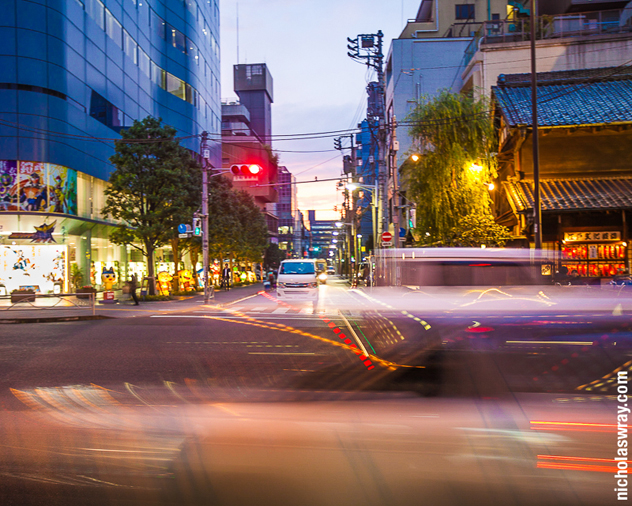
The exhibit is a 145-image romp through the harried streets of Tokyo and Kyoto, the lush, verdant gardens that dot the countryside and everything else in between. Currently, you can find “Culture” at the Pavilions Café, “Street Life” and “Graffiti” at the Capitol Café, and “Bicycles” at the Southside Café. Wray says that the “Architecture” section of Japan will be included in the rotation but because of its sheer volume will make its debut at a later date.
“It’s kind of like a narcissistic pleasure of making a cool photo that someone else will enjoy,” Wray explains. “I think that the coolest thing for me is when someone sees one of my photos and they’re just like, ‘Oh my God, I have to have that!’ I know that they love that photo so much that they want to have it in their house. That’s my reward. It’s not about the money because I’m not making money on selling prints. Like this [show] costs me more than I’m ever going to get off it.”

Now that the exhibit is up, Wray reflects on his role as a member of the Sacramento art community. And while he’s carefully mapping out the location of his next photographic adventure, his time in Japan has reinvigorated the shutterbug.
“The way I look at my job is that I do mostly commercial photography for the market, and people pay me to take cool photos—they pay me to make art for their business,” Wray explains. “So sometimes I do something boring, like some product shot but…I make art all the time, it’s just consumed in a different way. It’s more like people commission me, kind of like a painter. Someone might commission a painter to make a painting, people commission me to make photos for their media.”
Nicholas Wray’s Japan is currently hanging around Sacramento at Insight’s Southside Café (1901 8th Street, Sacramento), Pavilions Café (566 Pavilions Lane, Sacramento) and Capitol Café (1014 10th Street, Sacramento). Wray’s Japan book can be purchased through the artist’s website, Nicholaswray.com.
Photographer Wes Davis gives skating a touch of grace in new exhibit, Step Free
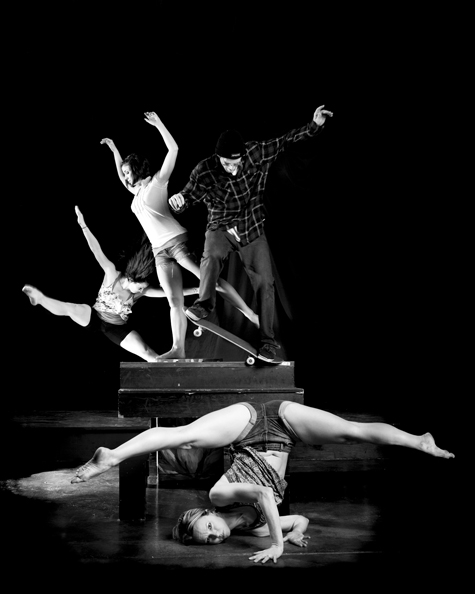
Local photographer Wes Davis has captured an unusual occurrence from behind his camera lens. In the same frame, a skater is caught ollying midair as two dancers are frozen in a leap behind him, while a third dancer crouches below. In another frame a skater grinds a platform while two dancers twirl in the background, positioned as though together the three form a sequence, while another dancer holds the splits upside down beneath them. In each shot, Davis captures the ability of human bodies to fill space with motion.
These photos make up half of Davis’ contribution to Step Free, an exhibition at Beatnik Studios consisting of work by both Davis and local painter Jayme Goodwin. Goodwin’s paintings are primarily focused on dancers, while Davis’ photo collection, an array of both black and white and colored digital photos, juxtaposes the art of dancing against the art of skating. This is the first time these photos are being showcased in an exhibition.
Creating a photography exhibition that features skaters alongside dancers had been an idea floating around in Davis’ head for some time, he tells Submerge during a morning visit to Beatnik Studios.

Portrait of Davis by Mark Dillon
The half of his photos that are in color had been taken within the last one to two years, capturing his friends in their natural elements, flipping boards, ollying and grinding surfaces around Sacramento, Loomis and Portland, Ore. A longtime skater himself, the photos encapsulate an important element of his life on film.
“Pretty much anytime that you’re skating with friends, it doesn’t really matter where you are,” he says. “I really like skating the streets, just being able to push around and zigzag in and out of people, it’s kind of my favorite place to skate. But really it’s who you’re with rather than the place you’re at.”
The other half of the exhibition, the black and white photos, materialized about six months ago.
Davis found some willing members of CORE, a local dance collective, to take part in a photo shoot at Beatnik. Finding skaters for the shoot was easy, he simply had to round up some friends. The crew spent a one-day session at Beatnik and, voila, you have prints that bring skaters to the forefront of an unusual backdrop–dancers. Female dancers leaping, flying through the air, balancing on one arm, on one hand, or just posing with a smile, while a skater soars overhead, board in tow.
Davis’ shots are raw, organic, anything but contrived. The dancers are dressed in shorts and sleeveless shirts, the skaters in T-shirts and jeans. Several of the frames capture laughter, or the subtle awkwardness before someone makes their next move, it’s as though everyone was constantly in motion throughout the entire shoot.
The subjects were allowed a lot of freedom, too, Davis says.
“I like to capture people’s natural movements and their natural expressions, as opposed to portraiture, where you’re trying to create a natural look,” he explains.
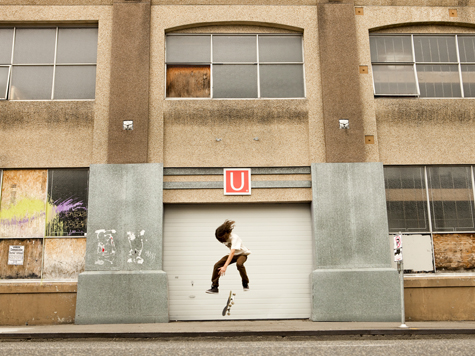
Ryan Stark, 360 Flip - Photo by Wes Davis
His requests of his subjects were minimal: dress comfortably, in whatever clothes are suited for skating or dancing on any given day. He set up a space where the skaters could perform jumps. Then the dancers were asked to fill the outside space with any movement of their choice. The result is whatever passed through the lens of his Canon 5D Mark II.
You could say that the result is a contrast of feminine versus masculine or of grace versus grit. But this stops short of Davis’ intent, which is to reveal the similarities between dancing and skating and the skill that each requires, rather than the differences.
“Dancers go through hell, they break bones, they get hurt, they’re constantly battling wounds,” Davis says. “It’s a really rugged sport, but for the spectator it’s beautiful. Skateboarders and dancers are the same people. It attracts that person that wants to be expressive and wants to be moving and use their body to develop their art.”
Of the two, dance usually gets the better rap, Davis says. Often considered a classy, highbrow art; if you are a dancer, you are considered a performing artist. Meanwhile, skating has evolved into a counter-culture here in the States, and if you are a skater, you are usually seen as the reckless punk.
Nosegrind - Photo by Wes Davis
“You get this a lot out in the streets, people will see you on a skateboard and instantly are like, ‘Alright punks, get out of here,’” he says.
Yet, in Europe, he points out, skateboarding is the equivalent of a street performance. “People love watching it,” he says. “It’s a creative way to express yourself and think outside the box.”
The bottom line is that whether or not people choose to recognize it, both dancing and skating employ motion for artistic expression.
Davis himself picked up skating around 11 or 12, during a time when it wasn’t too common. The cool factor of skate culture wouldn’t surface for years to come. Growing up in Loomis, he was the lone skater, and in high school he would catch the nonsensical insults from jocks.
Nonetheless, his interest in skating soon segued into capturing movement on film.
“Skateboarding is what technically improved my photography [skills], because you have to learn how to shoot fast and how to really command your settings to get what you want out of it,” he explains.
Up to that point, he had been assigned the task of photographer during family vacations in the outdoors, equipped with the Pentax his father used to use while serving in the military in Germany during the ‘70s.
After graduating from Sacramento State with a photography degree he landed a gig as a soccer photographer, traveling in vans with soccer leagues regularly to shoot competitions around the country. But he quickly found himself longing for something other than being a slave to the competitions.
“I got burnt out on that pretty quick,” he remembers.
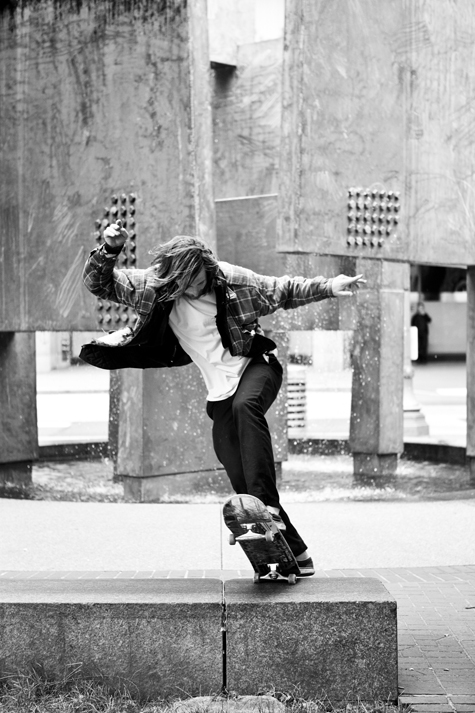
Ricky Krull, Front Blunt - Photo by Wes Davis
Though Sacramento State prepared him well in the mastery of fine art, the program did a poor job of preparing students for the business aspect, he says. For instance, he knew little about building a photography business, how to price his pieces or what the standards of the industry were. Often he was figuring out this stuff on his own, or by picking the brains of experienced commercial photographers.
Davis also realized an increasing need to hold photographers to a higher standard, where photographers are professionals, not hobbyists fiddling around with expensive cameras.
“There’s a lot of photography out there, and a lot of people that are just kind of hacks,” Davis explains. “I don’t want to insult people, but it’s true. I hear it every day, ‘Oh, I got a camera and I’m starting a photography business,’ but they’re coming to me to get coached on how to even shoot.”
In 2009, Davis quit his job working graphics at the Natural Foods Co-Op to commit himself to photography as a full-time occupation. He opened Beatnik Studios with Lindsay Calmettes, another photographer and graduate of Sacramento State, as a space for photographers to network, learn from each other and get honest feedback from others.
The two hadn’t anticipated that Beatnik would become a vital part of the local arts scene. What started as a photography space blossomed into an art gallery and event venue as well.
“It is fun [and] it is challenging,” Davis says. “It keeps us creatively motivated to restructure and reinvent ourselves.”
The space now operates as a hub for all kinds of local artists as an opportune location to express imaginative ideas, like placing dancers and skaters on the same plane.
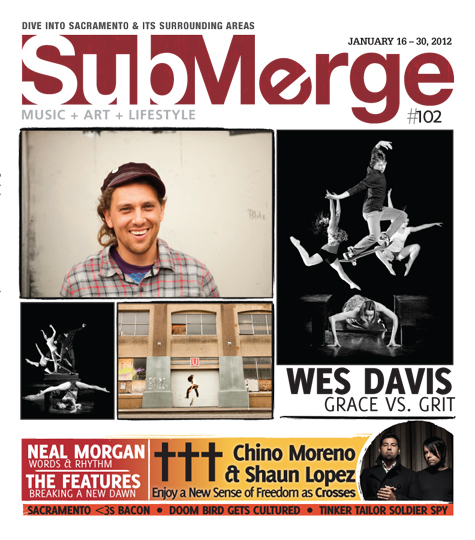
Step Free is up now through Jan. 24, 2012 at Beatnik Studios. Gallery hours are 10 a.m.—5 p.m., Tuesday—Friday. Beatnik Studios is located at 2421 17th Street in Sacramento.
José Luis Villegas’ new exhibit Save the Music showcases an American art form
Words by Amy Serna
José Luis Villegas remembers the first moment he ever captured in a photograph. It was a self-portrait of him lying on his front yard at 16 years old. He set the self-timer on the Minolta 35mm camera that his father bought at a pawnshop, then posed with “a subtle smile” for his first photo op. That small interest he had in photography during high school later turned into a career that has lasted for 27 years, including his current job as a photojournalist for the Sacramento Bee. But one year before he started his job at the Bee, something caught his eye in the newsprint. He became moved by an article he read about an old blues musician that had passed away, and he got an idea.
“It kind of lit a light bulb in me, I started doing a little bit of research, back before we had access to computers, so a lot of it was going to the library,” Villegas said while sitting in the Viewpoint Photographic Art Center in downtown Sacramento. The little “light bulb” in his head would soon lead him to photographing some of the most influential blues musicians in the world. During his off time from his day job at the newspaper, he would be in contact with representatives of musicians that were coming through California and tell them about his vision.
“Little by little the doors began to open,” Villegas said. “And outside of some of the concert pictures, my real goal was to get access to photograph some of the activity that took place backstage and just try to get a little slice of what life was like for an older musician.”
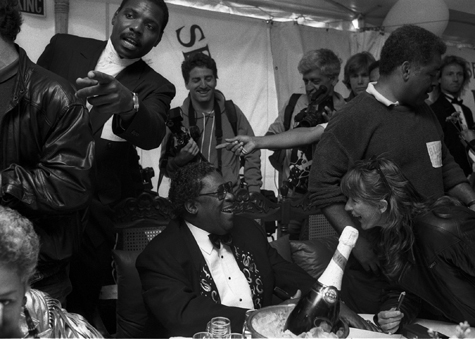
BB King - Concord, California 1991
Throughout the years, starting in 1991, Jose has captured various moments in the world of blues music that isn’t just another concert image–it’s “appreciation” of blues music. For every photo displayed throughout the gallery, there is a moment frozen in time with an experience, an encounter or a performance with legendary musicians. “Some of them were very comfortable with where they were in their lives and were more interested in just playing the music,” he said. “And were more taken by the fact that people were still interested in their music, this many years down the line.”
Each memory and story that Villegas has about his blues experience can be clearly seen in each of his photographs. He vividly remembers that blues legend John Lee Hooker liked to have attractive young women at his side. He remembers the type of “aura” that B.B. King had when he was in his hotel room while surrounded by reporters or at a party where King was the center of attention. He recalls talking to Sunnyland Slim, a man in his 80s who was still performing a 45-minute set and remembers the way he was “slouching a little bit in his seat” at a night club.
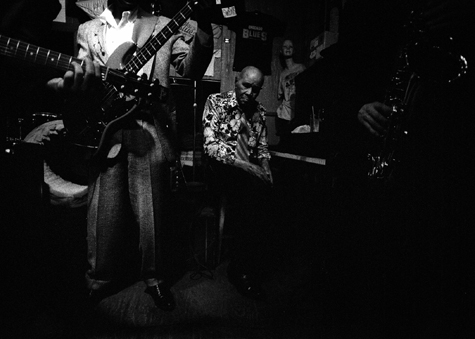
Sunnyland Slim - Chicago, Illinois. 1992
“The image was already there,” Villegas said. “And [the moment] happened several times during the course of the night. It was just a question of whether I recognized the moment and was able to compose it the way I wanted to.”
All of these memories are now black and white and color photographs for the Save the Music exhibit at the Viewpoint Photographic Art Center in Sacramento. The gallery of photos will give you a glimpse of the experiences of blues musicians with scenes from concerts, birthday parties and backstage chats. “I would hope that the photographs would speak for themselves,” Villegas added. “[People] get to see the artists more as people who enjoy what they’ve been doing for a long time.”
One photo in particular, of the more popular, Charles Brown–a blues singer in his 70s who was living in an elderly home then rediscovered by Bonnie Raitt–was taken in 1991 in Monterey, Calif. The photo has an up-close and personal feel; it almost feels as if you are sitting right next to Brown watching him play.

Charles Brown - Monterey, California 1991
“In journalism or in street photography, I think the idea is to try and get yourself in a position where you can document a moment in time that hopefully will translate to somebody else as if they were there,” Villegas said, standing in front of his photos. “A moment that is spontaneous, that has captured a little bit of emotion, a feeling, and if I can get someone to feel something from that imagery, then I think I’ve accomplished what I’d set out to trying to do.”
The 51 year-old man who captured these “spontaneous” moments in his photographs is no stranger to the world of art galleries. Although this is the first time Villegas will be showing at the Viewpoint, he isn’t going to sweat during the exhibit opening because of previous experience including The Oakland Museum, Museum of Modern Art in Texas, the Baseball Hall of Fame in Cooperstown, N.Y., and the Crocker Art Museum in Sacramento. All of his photographs with the Sacramento Bee and from separate projects tell a story about the moments he has experienced during his life. “It’s been a really nice ride,” he said. “If anything I get real enjoyment of being able to share some of my work with other people who have interest in the subject matter.”
Save the Music is running now through June 4, 2011 at the Viewpoint Photographic Art Center, located at 2015 J Street in Sacramento. Gallery hours are Tues. through Thurs. from 12 — 6 p.m. and Fri. and Sat. from 12 — 5 p.m.