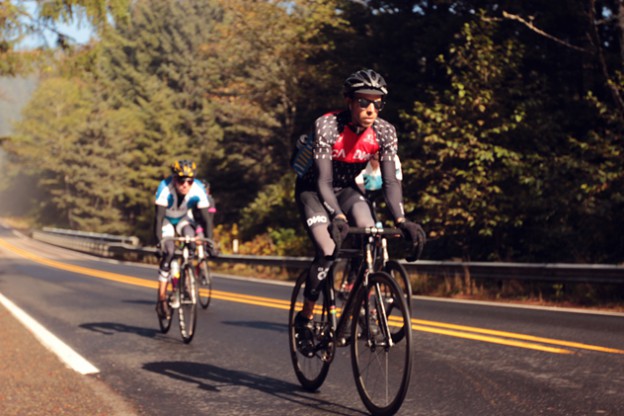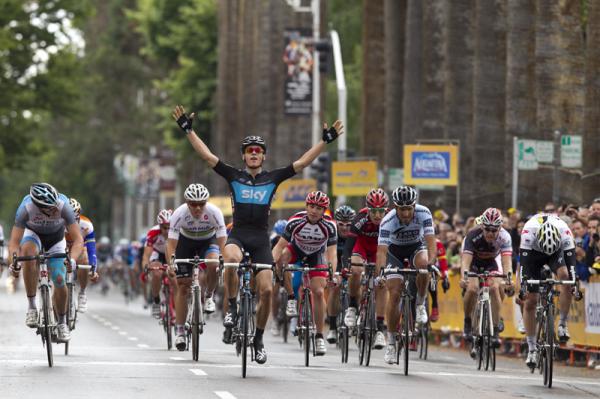
Just last week it was announced that America’s largest and most prestigious cycling event, the Amgen Tour of California, is returning to Sacramento in 2014. The race is a Tour de France-style cycling road race that will see some of the top athletes in the world travel more than 700 miles throughout some of our state’s most scenic (and challenging) terrain. Stage one of the eight-day race will start and end at the State Capitol on May 11, 2014. The following day, Folsom will host the individual time trials (stage 2). This is the first time Folsom has hosted the tour. Sacramento previously hosted 2009’s prologue as well as stage finishes in 2007, 2008, 2010 and 2011. The event is highly sought after by towns and communities, as it brings in tons of money and media attention. In Sacramento, it’s estimated that the event will draw 65,000 to 70,000 spectators, 2,700 hotel room nights and $8.5 million in economic activity. Other California host cities include San Jose, Mt. Diablo, Monterey, Cambria, Pismo Beach, Santa Barbara, Santa Clarita, Mountain High, Pasadena and Thousand Oaks. For more information, visit Amgentourofcalifornia.com
Earthless, Brubaker, Joy
Harlow’s, Sacramento • Friday, Oct. 18, 2013
Words by Andrew Scoggins
Earthless is the kind of band you feel compelled to talk about with your friends. Earthless is also the kind of band that will likely damage your hearing irrevocably without earplugs. And yet, it’s completely worth it.
Last Friday’s psychedelic freak-out at Harlow’s got started on a decidedly loud note when San Diego-based openers Joy took the stage. After the band took a shot with a fan and asked the 20-person crowd to please come closer, the band began to shred. The verb “shredding” doesn’t seem to quite do the band justice. It’s almost as if the band came together in the beginning, listened to some Led Zeppelin and decided all the songs needed to be in double time and they all needed at least five to ten more guitar solos per song.
{Brubaker}
Joy smashed through song after song at a breakneck pace. And although there were a few precious moments, like on their new track “Evil,” where the band slowed down to allow some of their bluesier riffs to breathe, the majority of time the members spent thrashing as quickly as they possibly could. Guitarist Zach Oakley hardly touched the lower end of his fret board, drummer Paul Morrone lost a stick between smashes and kept going, and it’s possible that bassist Justin Hulson took more solos than Oakley did. Sadly much of this wild and reckless jamming was lost on the sparse early crowd, but expect big things from this young band.

{Brubaker}
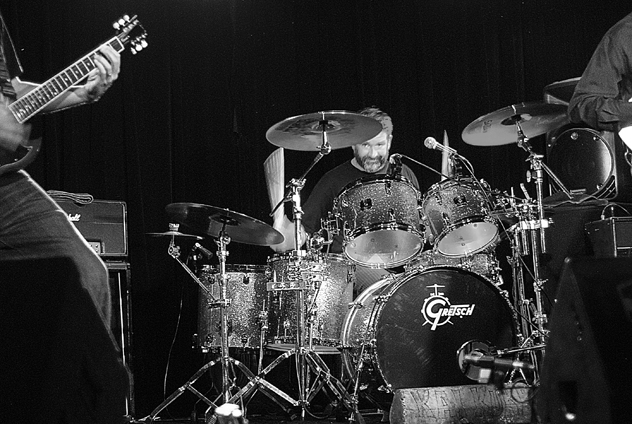
As people trickled in, Brubaker began setting up. Brubaker is a band that has deep roots in the Sacramento scene. Singer Gene Smith and drummer Neil Franklin both played in Kai Kln; they even played a few shows with Pearl Jam and Nirvana back in the grunge-y heyday of the ‘90s, and they certainly brought the grunge to Harlow’s. What started as straightforward rock ‘n’ roll with an almost southern-rock tinge quickly shifted into blown out, drop-D, nearly Motörhead territory halfway through their set.
Their smattering of fans (most of whom looked like they saw Brubaker playing with Pearl Jam) roared in approval. The most vocal of whom were two larger tattooed middle-aged women. They were spilling out of their skinny jeans, drunkenly swaying and grinding on each other like they were at a Def Leppard show, which was certainly something.

{Brubaker}
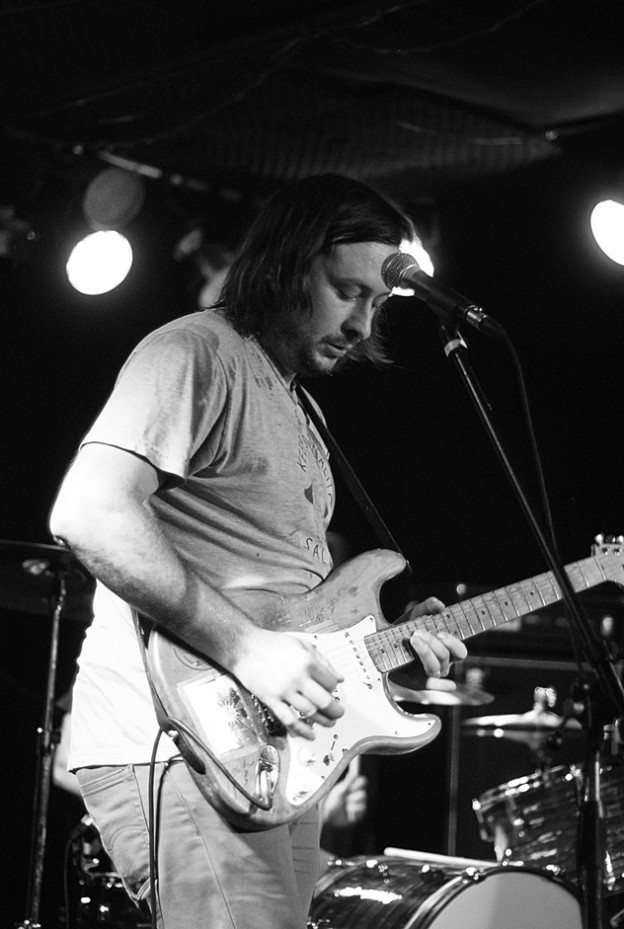
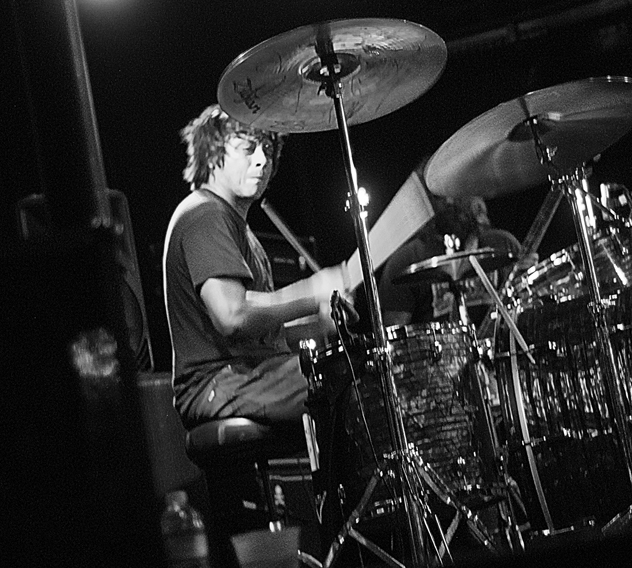
Finally, Earthless came on stage and threw down the gauntlet. Strumming a few warbling notes of feedback, guitarist Isaiah Mitchell nodded to drummer Mario Rubalcaba and the band’s jet engine took off. It’s tempting to say that there’s no band in the world that can simply go the way Earthless can; please allow me to explain why:
Mitchell began with a face-melting solo. That term’s a shoddy cliché at this point but there is simply no other way to describe the sheer visceral emotion of hearing a man pluck so many perfect notes in quick succession that the skin of your face smashes backward from the distortion until it’s simply too much, and it plops down lifelessly to the floor. There was a small voice whispering in the back of my head saying, “There’s no way, there’s simply no way they can go faster,” and then Mitchell looked over at Rubalacaba and Rubalcaba grit his teeth and his sinewy arms beat the skins even faster. The music spun out of control upward and onward. It looped through breakdowns and crescendos, propelling the crowd far out of the dimly lit room.
{Earthless}
There were no words. Earthless is for all intents and purposes an instrumental band only and that’s OK, because words would almost be a distraction from the utter sonic insanity. There was a story traipsing across the tongue of every slowly bent guitar lick, the footsteps were beaten into the earth with every stomp of the bass drum and the whole thing was kept alive by that throbbing heartbeat of the bass line. It became so total, that at the close of each 15 or so minute song you almost felt lost, unsure of the next step to take, but then the distortion growled back to life and you were safe again, swept up into the music.
Then again, if this is all too much stoner hyperbole, Earthless is just pretty fucking rock ‘n’ roll. If Earthless was the soundtrack to a movie, it’d likely be a pulpy Heavy Metal hyper-violent romp. There would be gunfights, car-chases, half-naked women and more explosions than would really be feasible on any Hollywood budget. And it’d probably be set in space.
It’s a shame Harlow’s was only about half full for the majority of Earthless’ set. They’re a band you almost feel obligated to tell your friends, co-workers and grocery-store bag ladies about. Do yourself a favor, listen to Earthless, come to their next show in Sacramento and find me in the pit. I’ll be there, and I’ll probably be sweaty.
Olly Murs and Bonnie McKee
Assembly, Sacramento • Friday, Sept. 27, 2013
There are two paths to pop stardom: one is to work your ass off until you bottom out or break out; the other is to miraculously land that fat, major label contract and let the industry do its work from there. These possibilities are represented by the trajectories of Bonnie McKee and Olly Murs, respectively, both of whom just blew the minds of a few hundred pop fans and/or tweens Friday night at Assembly—suddenly, under new management.
Likely, you’ve never heard of either of them. Olly Murs has a soulful voice and, according to Wikipedia, a signature “Olly wiggle.” He killed the competition in season six of The X-Factor in the United Kingdom. He’s white, handsome and wholesome; he speaks with an accent, sings without it. He’s everything that a program centered around monetizing the lugubrious task of talent scouting, (i.e. getting advertisers to fund through branding, product placement and commercials what was previously an expensive and labor-intensive part of the music industry) would want. His top hit stateside, “Troublemaker” featuring Flo Rida, is getting regular Top 40 play, but we love him because Chiddy Bang appears on “Heart Skips a Beat.” Murs has three albums, is a double-platinum selling artist in the United Kingdom, and for our purposes here, he’s the dude who suddenly hit the big time and, “ba da ba da bum,” he’s loving it (see what I did there?).
Then there’s the pop-protestant work aesthetic, as represented by Bonnie McKee. Yet initially, her story is one of those jackpot, major label narratives. She hit Los Angeles and had a contract with Reprise Records at the ripe young age of 16. She released her first full-length, Trouble, in 2004, and was dropped after she stabbed her CD to a tree in a label exec’s front yard. For that, she got the wrong kind of attention. This was her bust point.

But McKee stuck around, did some paid songwriting gigs, and by 2013, she’d accumulated a series of awards and hit singles. Her songwriting helped define 2010 with a combination of Taio Cruz’s “Dynamite” and, far more importantly, Katy Perry’s “California Gurls” featuring Snoop Dogg (or Snoop Lion?). She was a part of the three best tracks on Perry’s Teenage Dream (I know! They’re all so good! How could we judge them?), the other two being “Teenage Dream” and “Last Friday Night.” Since then, McKee’s worked with, among others, Nicole Scherzinger, Kelly Clarkson, Britney Spears, Miranda Cosgrove, Christina Aguilera, Carly Rae Jepsen, Ke$ha, Rita Ora, Ellie Goulding and fucking Cher!
All of this is to say, McKee has made it, whether she becomes a successful solo artist or not. She’s put the work in, she’s got her name on the liner notes, she’s got the awards in her closet.
But isn’t this a concert review?
Yes, but there’s a reason this review sounds more like a press release. That’s because this wasn’t a concert exactly. It was more of a trial run, a practice lap, a full dress rehearsal. Actually, it felt like watching a guest appearance on The X Factor. “Here’s what they’ve done; now see them live!”
So, we showed up to catch the set up for Bonnie McKee. Then there she was, red hair shining in the stage lighting, clips of her music video playing in the background, her fingers gracing the keyboard. The only other person on stage was a guitarist for accompaniment. However, her opening number was something I expected to hear from Super Mash Brothers, not this reformed singer/songwriter turned pop-star-to-be. She performed charismatically a collage of her best charting singles, starting with “Teenage Dream,” then “Dynamite”; “Last Friday Night,” then “Part of Me”; Ke$ha’s “C’Mon,” then “California Gurls”; “Wide Awake,” and then “Roar”—all the hooks subtly arranged so that every FM-radio-head could sing or scream aloud as our collective hearts desired. It was a strange thing to begin with, had it not been for what followed.
McKee began another song that I can’t recall as I was attempting, and failing, to be a photographer. Then I ran up front as she began her current radio single, “American Girl” (you’ll note that California Girl is sort of already taken). I shouldered past the tweens crowding the stage, who literally pushed me when I tried to leave, and got some mediocre photos of McKee dancing. It was rehearsed and simple, but it worked. There weren’t any fireworks or glitter, but the kids liked it, instinctively. And then she was done.
That was it. Three and out. I was heartbroken.
They set up the stage for Olly Murs, he performed his abbreviated set, made some jokes about being back in America, mentioned that he loved touring with One Direction, and it was over. His accent was cute, his voice was in key, his two backup singers harmonized.
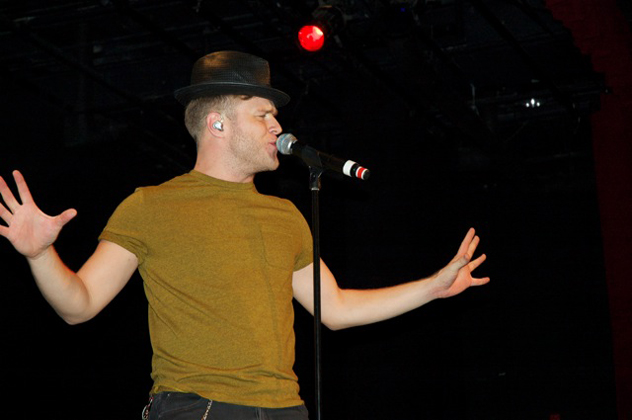
Yet this was the weird thing about this concert. It just seemed like a quick exhibition. There were no musicians on stage, McKee’s opening “song” aside, and everything was tracked on a disc or hard drive somewhere off stage. One large LED screen constantly told us who was playing, as though we might confuse the performers with themselves in this austere setting. The young girls screamed at Murs, and my friend said to me, “I’ve never been to a Beatles show before.” Sadly, that was the highlight. So if this reads like a press release, that’s because this show felt like one.
La Noche Oskura Give Ska Punk Latin Flavor
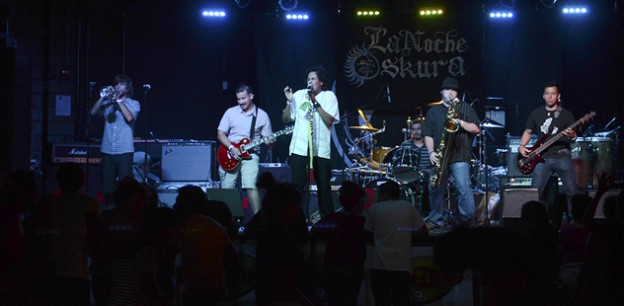
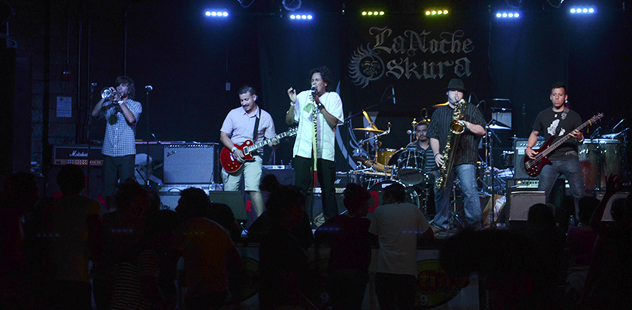
La Noche Oskura is a Sacramento-area quintet who got their start in 2008 practicing in a garage in Elk Grove. The current lineup (Nando Estrada, lead vocals; Ivan Rodriguez, guitar; Jesse Rodriguez, bass; Paul Martinez, drums; Domenic Dalpez, baritone saxophone; and Justin Klava, trumpet) plays a unique blend of ska and punk, incorporating reggae and cumbia (or Latin) vibes. The band adds some old-school flavor to their sound with the inclusion of saxophone and trumpet into the mix. With two members (Ivan and Jesse) being brothers, four of the original five members still involved, and five solid years under their belt, La Noche Oskura has a tightknit foundation from which to work. Their experience and melting pot of sound has allowed them to hone in their sound and garner a loyal fan base in the process. Vocalist Nando Estrada took time out to discuss via email the band’s cultural influences, legendary shows and plans to release an EP this fall.
For those not fluent in Spanish, what does La Noche Oskura mean?
“La noche oscura” translates to the dark night, but when we named the band we didn’t really have a clear reason of why we chose the name besides the fact that it was the name of one of our songs. Over time we felt our name represented the night before the better day, a new beginning, or the night when Latinos cross the United States border in the dangerous desert with the dream of a better life for their families.
What do you consider to be your oldest and/or most cherished cultural influence in music and perhaps in life?
For most of us, the music we heard growing up in our homes with Spanish as a first language and the music we continue to listen to at our family gatherings is what culturally influences our music. Music that reminds us of our family and our roots is what culturally influences us.
You seem to mesh styles of ska/Latin/punk. Do you prefer a genre title for your band?
We don’t really like to have only one style to classify us because our taste has no borders and there are many different genres and influences in our songs. Our music is reflected on what we are inspired and motivated by and it can change from time to time yet still sticking to the fundamental genres that we have started with like ska, punk and reggae.
What are the advantages/disadvantages of being in a group who mixes several styles?
Many people are only used to the mono-genre commercialized music that is played on the radio and TV. A band with many styles can be a little too much for some to handle. As we promote tolerance and open minds, we will continue to play what we are inspired by and hope that others can begin to respect all genres.
It is rumored that you have a new album coming out this fall. What direction did you take on the upcoming release? Did you chart any new territory in the studio?
We are currently working on a six- or eight-song EP at Milhama Studios in Elk Grove, which we plan on releasing this fall. We are recording a mix of previously unrecorded old songs and brand new songs, which are currently being worked on. We don’t really have a set direction or style, but we just want to record an album with some of our best and favorite songs.
What are some common themes in your lyrics?
We promote the human rights of all including self-determination, autonomy, tolerance, education and to be proud of your roots and culture. Through our music we take the side of a marginalized society and try to give them a voice. Most of our songs have themes of love, struggle and hope. Our music is mainly inspired by love but as well as the daily struggles which one faces. We also touch upon the movements of resistance around the world, which call for peace and justice.
What can people do to bring about a conscious change?
We try to spread consciousness and hope to be able to motivate, inspire and open minds with our music to be able to bring a change of consciousness at a worldwide level.
It was written that you sound like a Mexican version of Sublime. What are your thoughts on that statement?
Sublime is loved by many of us, but we feel we have created our own sound with influences of many different bands. Although it is great to be compared to one of the legends of the California ska/punk/reggae movement, we don’t believe to be the “Mexican version of Sublime.”
You’re currently ranked No. 1 on Reverb Nation. How do you promote yourselves other than performing live and have you guys enjoyed success on more than just a local level?
As we are a completely independent band, we have promoted the band in person, as well as through friends and family. We also spread the word through music websites and blogs to help promote our music. We are very happy to see that our shows in San Francisco, Berkeley and the rest of the Bay Area grow every time we go play there. We feel people are becoming familiar with La Noche Oskura more and more. It is always a pleasure to be invited and be able to share the stage with many national and international touring artists.
You have performed at Hemp Festivals, 924 Gilman Street and opened for The English Beat. How were all of these experiences unique or interesting?
The Hemp festivals have always been fun and enjoyable but it was an absolute pleasure to have the good fortune of playing and headlining at the historical 924 Gilman Street in Berkeley. The shows with the legendary English Beat have showed us how much ska can be enjoyed no matter the language in which the songs are being sung. Since we have been able to play a couple of times with the English Beat, we asked Dave Wakeling for tips and guidance to be a successful ongoing band, which was inspiring and we have been grateful for.
You’ll be headlining the Chalk It Up Festival. How did this festival come to be and what can the attendees expect from you?
We have been friends with Jerry Perry, the organizer of the Chalk It Up festival for many years and he helped us get on the Friday Night Concerts in the Park series when we were starting out. He booked us downtown a couple months ago and shortly thereafter he invited us to play the festival. He surprised us with an option of headlining the festival and we greatly respect and appreciate the love he has showed us over the years. The attendees can expect an hour of great vibes and high-energy music that makes them move!
La Noche Oskura will join a great lineup of music acts at this year’s Chalk It Up Fest 2013, to be held at Fremont Park in Sacramento on Labor Day Weekend. The festival will run from Saturday to Monday, 10 a.m. to 6 p.m. each day. La Noche will perform on Saturday, Aug. 31. For more info on the festival, go to Chalkitup.org. Keep up with La Noche Oskura at Facebook.com/lanocheoskura.
Gluten Free Specialty Market
2612 J Street • Sacramento
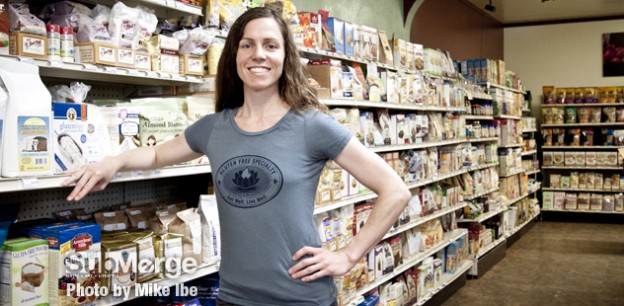
With the fast-paced foot and vehicle traffic constantly buzzing down J Street and an estimated 5,000 Sacramentans with Celiac disease, it’s no surprise that the Gluten Free Specialty Market just celebrated their five-year anniversary. But the store caters not only to those seeking gluten-free foods, according to co-owner Melanie Weir.
“Our goal is to help provide you with the things that make you thrive,” says Weir. “We cater to all kinds of allergens, all kinds of specialty diets, modifications—anything that people need, we look at.”
The store began as a Web-only idea, operating out of a small rented room in a neurology clinic. According to Weir, many who were seeking gluten-free nourishment out of desperation would stop by, inquiring if she was in fact a fully operating grocery store. At the time, she was not. But in five years, Gluten Free Specialty grew from carrying fewer than 60 items to packing over 9,000 options into the 1700-square-foot space at their current location (2612 J Street).
Prior to opening Gluten Free, Weir, who is severely allergic to gluten and has followed a gluten-free diet for the last 12 years, noticed that gluten-free items in everyday grocery stores were scarce to nonexistent; either expired and dusty, or buried and forgotten about under the more mainstream foods. But what made her situation even worse was when hunger struck, gluten-free choices were stored next to foods and areas containing gluten, ultimately making her already limited options contaminated and inedible.
“There wasn’t access to quality foods. Foods weren’t being taken care of properly,” says Weir. “You’d have to dust off the gluten-free products to actually see how long it had been sitting on the shelf. Everything was stale or crushed up and you were lucky if you even got it.”
Weir now enjoys operating a store where people who seek quality and safe food options can turn.
“It only takes one bread crumb with someone with celiac disease to go into an auto-immune reaction for up to six months,” says Weir. “It’s a really serious thing. It’s not like, ‘I’m not going to eat gluten because it’s a fad.’ With celiac disease, you have two pairs of sympathetic nervous systems that turn on; and the systems, as they activate, can create all kinds of things like cancer and inflammation. Basically, all things that eventually lead to death and degeneration of the body.”
Knowing the logistics of gluten and the potential harm it can cause to those allergic is something naturopathic doctor Dennis Godby specializes in. Godby’s practice operates out of Sacramento Naturopathic Medical Center, which happens to be neighbor to the market, only a few doors down. The goal of his establishment is to care for all patients with natural remedies including herbal, vitamin and mineral treatments.

“Wheat has 50 percent more gluten than it did 30 years ago. Gluten is a very serious thing,” says Godby. “[Eating a gluten-free diet] is a trend, but it’s not a fad. It’s a trend because people are finding out the truth. Most people aren’t doing it for fashion; people are doing it to see if they feel better if they take gluten out of their diet. Part of the reason Gluten Free Specialty Market has gotten so popular is because people want to have options. Because for some people, [gluten] is like a toxin, literally like a poison.”
Gluten is found in the protein of wheat, rye and barley and is also cross-contaminated in most oats. According to Weir, the safety of oats is still a questionable thing for those with celiac disease. She adds that just about any packaged food on the market from 10 years ago to date contains gluten.
“Basically, not just pasta, bread and rice, but if it’s made in a factory and that flour dust is in the air, anything that’s made in that factory has gluten in it,” says Weir. “It could be in green beans, it could be in your peanut butter. There are so many elements.”
Registered dietitian Jo Miller explains there are close to 5,000 people in Sacramento with celiac disease, a condition where the body attacks gluten as a foreign invader. For those living with the disease, a gluten-free diet is the only way to ensure good health.
“Having a resource like the Gluten Free Specialty Market is an asset for the daily challenge of meal planning,” she says.
Eventually, Weir’s goal is to incorporate a gluten-free kitchen, which she projects will happen over the next several years. In addition, she’d like to expand the store’s square footage for more storage, office space and room for extra gluten-free goodies. And don’t fret, if the store doesn’t carry an item, just ask Weir or one of the staff on shift. Not only will they will take note, but also look into ordering it.
“Basically we started with a notebook and 60 products. When people walked into the store we wrote down what they asked for. To this day, we keep track of what people want,” she says. “This really is the heart of the community store,” she continues. “The products here are the icing on the cake and allow for a little more excitement. It’s fun to bring in something new, like a blood orange olive oil or a lemon butter; because when you have multiple allergies, a lot of times you lose that creativity in the kitchen. This store is really designed to maintain creativity for people who have food allergies.”
Soulful, Danceable and Real, Groovincible Plans to Get You Moving with Their New Album
If you are ever in search of a vocalist and partner in crime, you might try spotting the flyest girl in the bar and asking her to sing for you. The odds that she will deliver are slim. But it must have been Matt Klee’s lucky night, because Bianca Wright sang him a song she wrote that left an impression, and the two have been side by side musically and romantically ever since.
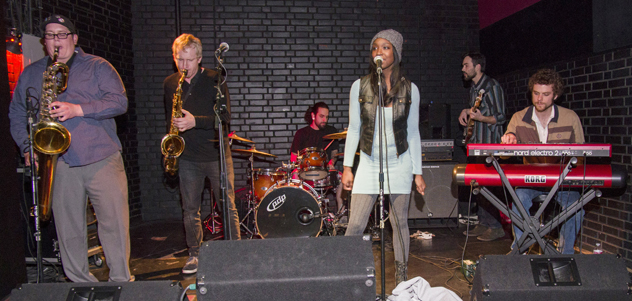
Three years later, Wright and Klee joined Jacob Gleason to form Groovincible in 2011 in Klee’s garage in Fair Oaks. The idea was to put Wright’s voice at the forefront of the band, with Klee on drums, Gleason on guitar and tenor sax and Wright on the mic, shared with Gleason. Prior, Gleason and Klee bonded over tacos and hours spent in the backseat of a crusty old tour van during the 2009 Hippy Feet tour with Sacramento’s well-known fusion band ZuhG. Each have been involved in other musical projects, including ZuhG, but after Wright performed as a guest singer on Free Love, ZuhG’s self-released album, the three broke away to form Groovinicible, allowing them an opportunity to write their own material.
Now, after wrapping up their self-titled debut album recorded at Pus Cavern Studios (currently available for purchase and streaming online) they are prepping for their CD release show, which is on Saturday, July 27 at Blue Lamp. They have also added on three members: Tony Marks on bass, Sam Phelps on keys and Edward Hurff on baritone sax.
If you’re limited on words, you could say Groovincible is somewhere in the funk/soul/jazz realm, with moments of rock. Their aim is to keep things grooving, interesting and danceable, hence “Groovincible.” Those are the words that Gleason offered up during a phone interview with him and Wright. But that’s just brushing the surface.
For those who like to turn on a dynamic album and listen the whole way through, Groovincible is for you. Just when you think you’ve heard it all, the band pulls something else out of their sleeve, whether its ethereal harmonies or tempo changes and distortion.
In the span of 43 minutes laid over 12 tracks, Groovincible throws one drop (the reggae groove), Klezmer, tablas (Indian drums) and distorted sax into the mix. Of the 12, only four are under five minutes in length, and two of the songs are broken up over two tracks. That’s just how Gleason writes, with at least three “parts” per song.
As he explains it, a song amounts to “whatever amount of time it takes to express the idea,” whether it’s five minutes or 30.
This album evolved out of several months of Klee and Gleason jamming in Klee’s garage. Everything was recorded. At the end of the recording sessions they cut out whatever didn’t sound good from each track, leaving behind the cream of the crop to make up the songs. Gleason actually ended up cutting out a lot of guitar, leaving “implied” guitar parts in a number of songs while layering saxophone, keys, bass and flute.
The exception was a “magical take” of “Bari Krishna,” recorded in one go. “Bari Krishna,” with the overlap of fluttering guitar and horn segments, brings to mind a chase scene in a spy film, blazing through alleys in a getaway car in Cairo or Kabul.
Other songs, such as opening track “Downtown Shindig” or “Punk Step,” could easily sound off during one of Quentin Taratino’s killing sprees.
As far as Gleason is concerned, if their songs have cinematic flavor, then they are succeeding.
Aside from “Bari Krishna,” which is instrumental, Gleason and Wright wrote the vocals over the songs, with Wright penning a lot of the hooks and choruses, and adding a soulful touch.
“A lot of people homogenize soul, R&B and hip-hop,” Wright says. “But when people are singing they’re really pushing for what they’re inspired by… My lyrical style is more soulful.”
She takes her cues from the likes of Jill Scott and Erykah Badu.
Beyond recording, Wright’s feminine energy is critical to the band, Gleason says.
As Wright sees it, she contributes both nurturing and vulnerable elements to the band, particularly during live performances.
“If I’m going to be up there on stage, then I like everything I do to be ‘real,’” Wright explains. “I like to set the vibe and be comfortable with people, looking at people, looking at who I’m singing to.”
While Wright brings the soul, it is apparent that Gleason brings the glue. Or is the glue, when it comes to the band. That includes music theory and recording.
“I live, eat and dream music,” he says.
While it’s definitely not an unusual thing to hear coming from a musician, it doesn’t feel like false advertising. He’s one of those who got an early start in music theory, coming from an upbringing where instruments and encouragement were consistently available, starting with mom breaking out the pans, to a keyboard, saxophone and eventually a guitar. By age 15 he was in his first rock band, and music has been an everyday part of life ever since.
“I sit on my ass and watch Game of Thrones once in a while,” he confesses.
Beyond that, however, time boils down to songwriting and performing.
However they manage to do it, between Gleason, Wright and Klee and those who have hopped on board since, Groovincible has developed an unmistakable sound.
“We’re just a bunch of people who make noise together,” Gleason says. “We get to play music we love with people we love.”
Whether or not Klee realized it at the time, he was doing everyone a favor when he asked Wright to sing.
Groovincible’s CD Release show is Saturday, July 27, 2013 at Blue Lamp (1400 Alhambra Blvd). Also performing will be Tao Jiriki and Brian Rogers. $10 cover includes the new Groovincible CD. Doors open at 8 p.m., show starts at 9 p.m., 21-and-over only. For more information visit Groovincible.com
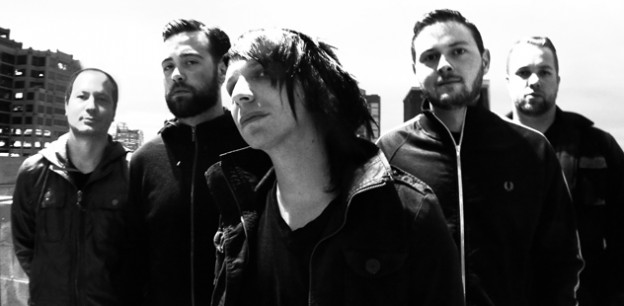
Local post-punk/hardcore band Number Station may be relatively new to the scene, but as the saying goes, this isn’t their first rodeo. Vocalist Ean Clevenger, formerly of Northern California hardcore punk band Pipedown, who were signed to A-F Records (Anti Flag’s label) and toured/played with bands like AFI, Thrice and The Bouncing Souls, started Number Station after he witnessed the local punk/hardcore scene “cave in on itself” while playing with his last band Dance for Destruction.
“It seemed bands, punk, hardcore, heavy, what have you, were beginning to be targeted for having too much heart and substance,” Clevenger recently told Submerge. “It was particularly hard to see the scene I was so closely connected to, one which I felt always had such a deep love for politics and meaning, drift toward a very provincial attitude.” So he said the hell with it, took some time to himself and started writing songs that were powerful and important to him regardless of what was cool at the moment. “When the energy was right, I sought out some of the best musicians I know, and luckily we were all on the same page.” Number Station is currently comprised of Clevenger and fellow seasoned musicians Theron Francis (guitar), Barry Crider (guitar/vocals), Pat Freeman (bass) and Jonathan Barklage (drums). They spent a fair amount of time working on material in the third story of a “fucked up art space” in downtown Sacramento and as Clevenger put it, “the magic seemed to happen.”
Number Station’s new five-song EP, recorded with Patrick Hills at EarthTone Studios, is sure to tickle the fancy of fans of Sacramento rock staples like Far (who they point out as a large influence) but it also will interest fans of, dare I say, screamo. Think The Used, Story of the Year, Hopesfall, bands in that vein—plenty of guitar riffage, melodic vocals with screaming mixed in, solid song structures and a mature use of dynamics. They might be one of my favorite new local bands, even if the style of music they are playing might not be the most hip thing in Sacramento at the moment. “Once the people get behind it, we can help break people out of their own fears about what is cool or approved by the status quo,” Clevenger says. “Its fucking music from the heart, we don’t care how cool we are, we just care how much we can help people be free.”
Number Station will have an EP release show on Saturday, June 1, 2013 at Assembly (1000 K Street). March Into Paris, Saint Solitaire and Goodbye Black Sky (featuring members of Will Haven) will also perform. For more information, visit https://www.facebook.com/numberstationtheband.
How local graphic designer and poster artist Jason Malmberg came up through the ranks
If you look at a Jason Malmberg poster and you’re unsure at first of what you’re looking at, if you need a minute to stare and process, if things seem off balance, if for a moment you feel like you are looking at a worksheet out of a German school book—don’t be alarmed. This is just the effect the local graphic designer is going for.
In the ‘70s, even public service announcement posters were psychedelic, Malmberg remembers, including one he’ll never forget. It was of a sobbing child throwing his arms over his head in horror, except his arms were 13 or 14 snakes. The poster read, “Why you shouldn’t take LSD” and went on to list what happens in the first 15 minutes, and in the second.
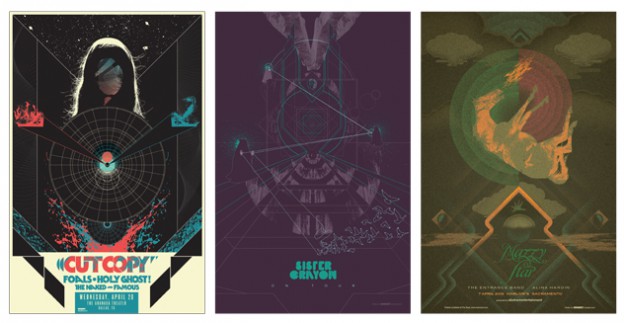
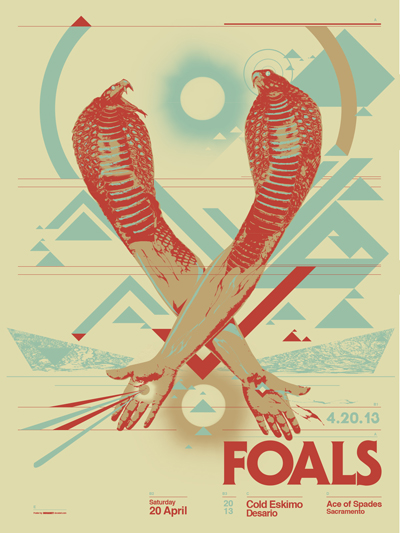
Take a look at the poster Malmberg made for the Foals show at Ace of Spades last month, and in the midst of colliding geometric shapes, you’ll see two intersecting male arms, each turning into the head of a snake from the elbow up.
Malmberg sampled two to four hands, arms and snakes to put together that image alone. “I don’t like hacking on other images,” he explains over the phone from his home office. “I want it to be more my own.”
So he salvages bits and pieces from historical images and online library archives public libraries, sometimes drawing on top of them, to recreate entirely new concepts, often with a ‘60s and ‘70s feel. Then he’ll lay out some type—and as a self-proclaimed typography nerd, this is key.
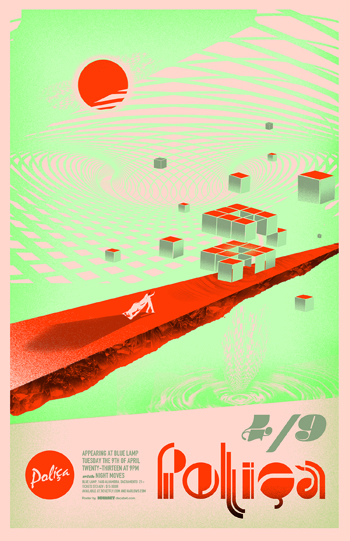
For the last 13 years, Malmberg has designed posters for just under 100 shows, including mainstream acts like Mos Def and the Violent Femmes as well as indie rock band Foals and former underground pop band Luna. Next month, he will showcase some of his pieces in his second-ever poster art show, Modern Lehzure, at Cuffs in Midtown.
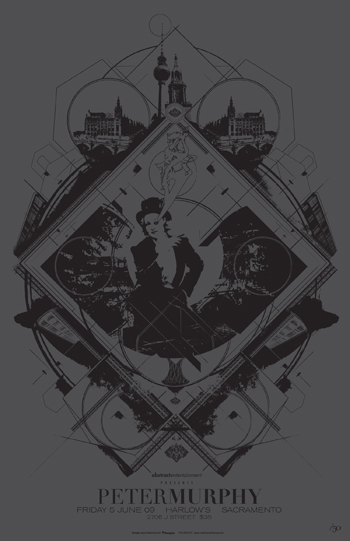
Visit Decabet.com and you will get a taste of Malmberg’s work. Yes, decabet, as in Dan Aykroyd’s 10-letter alphabet on Saturday Night Live.
Poster design is Malmberg’s ultimate outlet. What he hasn’t been able to get away with in his day job, he has gotten away with in poster art.
Within the last year Malmberg landed a job with a branding agency in Washington, D.C, where he is now developing his Web skills. Before that, he worked in print, as an art director for a handful of local publications, like Sacramento News & Review, Sactown Magazine and MGW.
While he was with Sactown Magazine, one of his designs popped up on T-shirts at Nordstrom sometime in 2007. You’d never know it, he says, and that’s probably all for the best. Unfortunately, his unique filigree design somehow became a part of the douche bag national uniform, he discloses.
Regardless, life wasn’t always peachy for Malmberg. If anyone has earned the seat they are sitting in now, he certainly has. It took a lengthy series of events to get him here.
To put it bluntly, “I’ve worked every shitty, low-paying job you could imagine,” he says.
This includes working fast food joints, at an eyeglass factory, in furniture assembly and smoothing down edges of windshields for eight hours a day.
Malmberg’s beginnings took place in Omaha, Neb. His teen years preceded Saddle Creek Records.
“It’s still not really cool to be from Omaha, but more than it was when I was there,” he says. “Now Omaha is sort of like a mini Athens kind of city—not Greek obviously—with their hipster cred. I was there in 1999, when it was a terrible wasteland and our claim to fame at the time, which everyone is still trying to live down, is 311.”
He studied under a “hands-off” kind of art teacher in the Omaha suburb of Bellevue, who provided Malmberg with just the right amount of guidance that made him successful. He had gallery shows before graduating from high school and went on to study at the Art Institute of Chicago.
Unfortunately, along with admittance into one of the best art schools in the country came unlimited pretentiousness.
He was surrounded by art students. To his dismay many of them were kids desperately attempting to fit social roles and convince the world they were someone other than themselves.
He quickly came to this realization: “I love people who make art, but I hate artists.”
He also realized that the Art Institute was not for him.
“I was making less art than when I was just a bum working at Taco Bell,” he remembers.
So, a year into it, Malmberg did what many students who find themselves in similar situations don’t have the courage to do—he left.
He returned to Omaha at 19 and began designing T-shirts for his friend’s skateboard gig. It seemed like a good idea at the time he said, but it didn’t last long. Then he took on the factory jobs. After that he spent three years as a rave promoter in Omaha. The last rave he threw was in 1997. It was going to be a huge party, outside. Tons of people were going to be there. This was the one that was going to lift him out of poverty, he thought.
Not quite. But it did result in him getting work laying out classified ads for a small local publication called The Reader. It started out as work to repay a debt. Up to that point he had never used a computer to design.
“I had no idea what I was doing,” he confesses.
The bus only ran twice daily between his place and the office, so rather than go home he would stay all night at the office and teach himself how to design. Eventually he was bumped up to art director.
Within about 18 months he redesigned the publication, drawing national accolades. Sacramento News & Review took notice and offered him a position as art director. He took it, and moved to Sacramento in 1999.
In 2006, he connected with the editors of Sactown Magazine when the publication was in its infancy. He became their art director, and helped create the look of the publication from its inception in 2006 until last year.
It was only a matter of time before he ran into local promoter and legend Brian McKenna in the early ‘00s. Next thing you know, Malmberg was designing posters for local shows on the side.
As his designs have improved he has become more selective about which shows he designs for. If he’s designing a poster for a show, it’s because he’s a fan of the band on the ticket. He doesn’t get paid much, if anything, for his work. He designed the Foals poster out-of-pocket. Hearing back from the band, however, is excellent compensation.
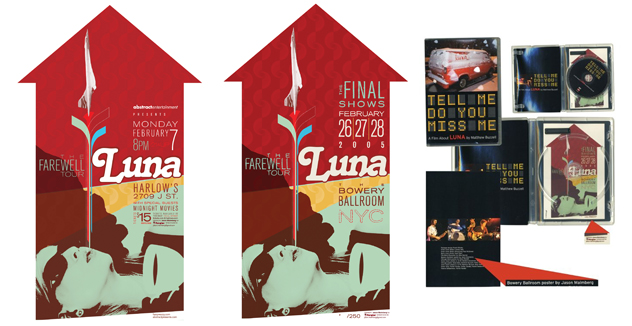
When Malmberg designed a poster for Luna’s show at Harlow’s in 2005, the band liked the design so much they asked to repurpose it as a limited edition sale item for their final show in New York. By the third show they sold out of 250 posters. The following year they used the design again for the DVD cover of their farewell tour.
Regardless of who he designs for, he makes it a point to represent the band properly through his design. For each band poster he designs, he’ll listen to the albums to come up with a theme. Each poster should have its own feel.
“You don’t want to be one of those guys who’s basically just churning out art prints and tacking band names on them, because that’s not cool,” he says. “If the bands don’t sound the same, the posters shouldn’t look the same.
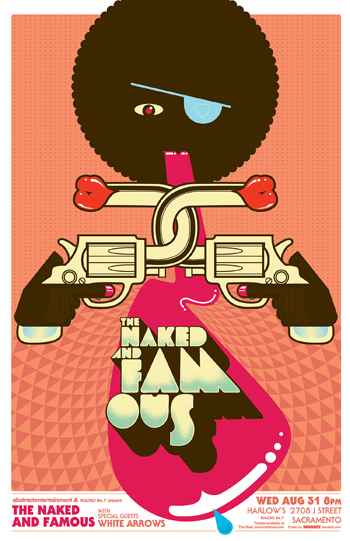
“I don’t try to be literal or narrative,” he says.
That’s how he ends up with posters that look like German ice cream bar wrappers from the ‘70s, like the one he made for the Naked and Famous show. Both fun and grotesque, what looks like a Reese’s Peanut Butter Cup wags its tongue beneath the noses of two interlinked revolvers.
Malmberg explains the look on his website.
“With the band’s bright candy-colored-yet-tasteful aesthetic in mind, I had the idea to try to make something a little European and a lot of odd,” he says. “I started out wanting to make something bizarre in the Polish movie poster vein but ended up with something a bit more like a German ice cream bar wrapper from the ‘70s. A little pop-art, a little glam, a lot of odd.”
Check out Jason Malmberg’s Modern Lehzure at Cuffs in Midtown (2523 J Street, Sacramento) on May 11, 2013. The event is part of Second Saturday. You can learn more about Malmberg at Decabet.com. While you’re online checking out his rad designs, why not check out Cuffs’ home on the Web at Shopcuffs.com?
The PedalHard Team documents their coast-free ride from Portland to San Francisco
Eight hundred and four miles in seven days, 26,000 feet climbed and about 44,000 calories burned were all well worth it in the end for cyclists Shawn Remy, Adam Beltz, Darin Morgan and Josh McCann. Their starting point: Chrome Industries in Portland, Ore., with San Francisco as their ending location. During their endurance-heavy journey, the guys rode track bikes (or fixed gears), meaning constant pedaling remained the only option mile after mile. Coasting was out of the question. PedalHard team manager, Remy, organized the idea and wanted to document the group’s experience, so he enlisted the filmmaking skills of 22-year-old Bobby Gee. With a GoPro taped to the hood and a handheld Cannon T3i, Gee captured Remy, Beltz, Morgan and McCann’s entire venture up and down the Pacific Northwest coast, forever cementing their achievement in the short documentary No Coast.
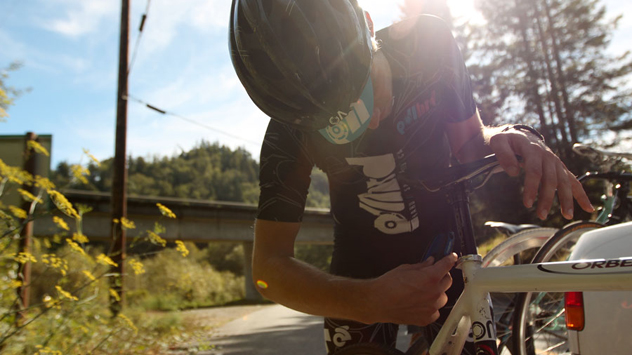
“When you have a track bike, you deal with what you have in front of you,” explains Remy. “It’s your push and your motivation to make it on that single speed. For me, [cycling] is more mental. It’s just a passion that I have. I am so intrigued by how it makes me feel.”
The whole project began with Remy’s urge to ride 200 miles from Sacramento to San Francisco last July. The ride took him a total of 11 hours and 20 minutes with him starting at 5 a.m., arriving in San Francisco by 1 p.m. and getting home to the PedalHard headquarters (1703 T Street) by 7:30 p.m. that evening. After the miles were logged, Remy, now inspired to ride further, began organizing a bigger plan and a longer trip with No Coast.
“It’s just a small documentary. It’s not super long,” says Remy. “It’s just to share what we’re doing in Sacramento and how good of a thing we have going. It was just a group of friends that went out and worked together as a team and made something really cool happen; positive things.”
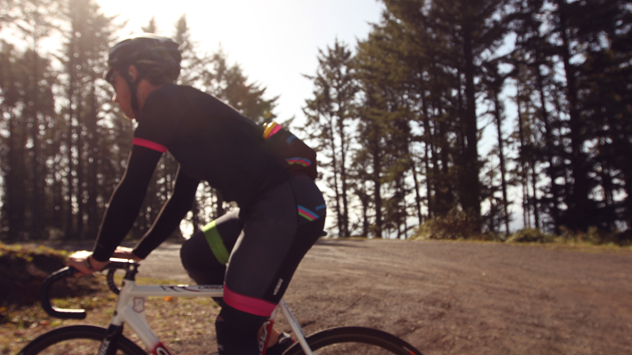
After arranging bike races to raise money in Land Park, gathering sponsors like Chocolate Fish coffee roasters, American Icon Wheels, Cadence Cycling in Philadelphia and hand picking his team, Remy says the financial and major detail worries of their trip finally melted away as soon as they arrived in Portland. During the film, Gee, who also happens to be a mechanic at The Bicycle Business (3077 Freeport Boulevard) and driver Jordan Yee, both followed the four men in an assist vehicle, lending a hand with broken bicycle chains, flat tires or general first aid if needed.
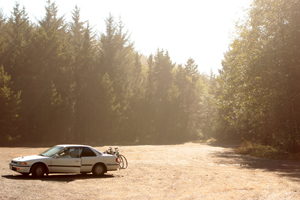
“We were lucky to have the assist vehicle with the cameras,” says Beltz. “If we ever had bike trouble, we could get in touch with them and Bobby and Jordan were amazing in the sense that any time we had a flat or a bike issue, they took care of it. All we had to do was relax and eat food while we were stopped and get water. That was really helpful.”
Ask the guys what day proved the most difficult and all will agree—day one. But not because of hundreds of miles logged or steep elevations. Try 20 MPH head winds and seven hours worth of storm to welcome the beginning of their expedition. Still, Beltz describes the remainder of the trip full of light winds, sunshine and temperatures ranging from 65 to 75 degrees instantly changing any doubts the riders developed.
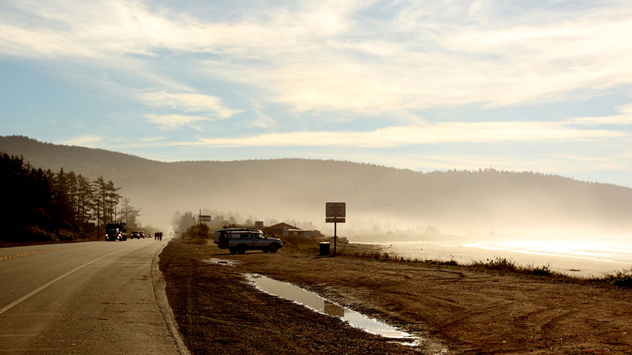
“We wanted everyone who started to finish,” says Beltz. “Most of this ride is climbing or descending. I can count on one hand how many times I remember riding just a stretch of flat. We would spend half the day climbing something and the rest of the half of the day going down it. We were on the bike like six to eight hours a day.”
The documentary is filled with landscape shots of both cities, architecturally pleasing buildings and moments where the four ride across bridges. There are both sunrises and sunsets as backdrops, and dramatic slow motion shots displaying the gusty weather blowing against the cyclists’ gear. All of this was filmed by Gee mostly hanging out a window recording every aspect of their story.
“The things that I like about shooting and filming is just detail, it has a lot to do with detail and bicycles have a lot to do with detail,” describes Gee. “I like showing people what I see. I don’t like to communicate with people. I don’t like talking. I just like to look at stuff and observe.”
The screening is set for 7 p.m. on Saturday, May 11 at Hot Italian (1627 16th Street). With this day nearing, all involved in No Coast stress they aren’t looking for pats on the back or praise for finishing over 800 miles in seven days. Instead they simply aim to educate viewers about track bikes and share a story of four friends accomplishing a goal that began with a small idea, then a bigger idea, which eventually evolved into their finished product.
“The film itself isn’t about, ‘Hey, look what we did, we rode our track bikes from Portland to San Francisco, wow we’re so amazing,’” explains Beltz. “That’s not what it’s about. There are a lot of people that go and do that. It’s more about if you love cycling and you love the Northwest coast, you’re going to see both of those and it’s going to be put together in a beautiful way. That’s what it’s really about.”
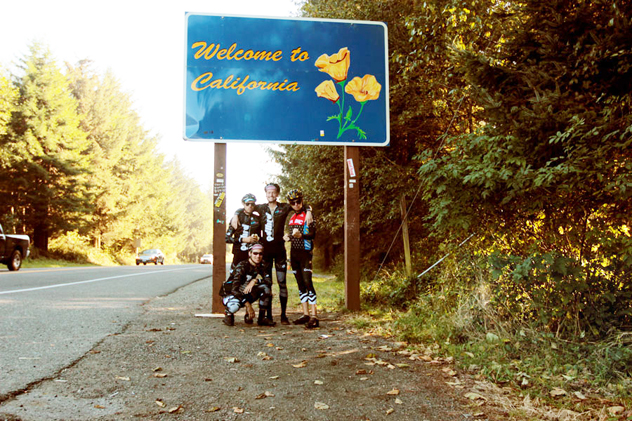
For Remy, the greatest moment experienced was riding across the Golden Gate Bridge, his friends behind him and knowing their last destination was now only five miles away.
“I just get the biggest high from cycling and accomplishing a big ride like that,” says Remy. “My endorphins just went off… For me, it was like, ‘We did it.’ It was just like that nice peaceful moment of silence and I was just staring off into the Bay, I was going across the bridge and I just wanted to cry with happiness and laughter.”
Check out the official premiere of No Coast at Hot Italian on May 11,2013 at 9 p.m. Admission to this event is free! If you’d like to learn more about the PedalHard Team, visit their headquarters in Sacramento (1703 T Street) or online at Pdlhrd.tumblr.com.
Let’s talk rap music, specifically how pumped we are that two of our favorite MCs T.I. and E-40 are headlining KSFM’s 102.5 Live concert on Saturday, May 18, 2013 at Discovery Park in Sacramento. This is an all-day ordeal, people, so eat your Wheaties because doors open at 10 a.m. Also on the bill are Far East Movement, Baby Bash, Drop City Yacht Club and Royalty. Tickets are just $19 (plus fees, of course, there are always fees) but that is still a steal for this lineup. Check out Facebook.com/KSFM1025 or Ksfm.cbslocal.com for more information and to purchase tickets as well as learn about giveaways, meet and greats and more.